Biblical Hebrew Feasts: Significance & Purpose


The biblical Hebrew feasts are seven God-ordained festivals from Leviticus 23 — Passover, Unleavened Bread, Firstfruits, Weeks, Trumpets, Atonement, and Tabernacles — that call Israel to remember God's deliverance, worship Him, and foreshadow redemption fulfilled in Jesus Christ.
What is a Hebrew Feast in the Bible?
In the Bible, the Hebrew Feasts, also known as the Jewish or Biblical feasts, are a series of religious observances and celebrations mandated by God for the Israelites in the Old Testament. These feasts are outlined primarily in the book of Leviticus and other portions of the Torah (the first five books of the Bible). The Hebrew Feasts consist of several annual festivals and holy days, each with its specific significance and purpose. Here are the major feasts: Passover (Pesach): Celebrated in the month of Nisan (March/April), Passover commemorates the liberation of the Israelites from slavery in Egypt. It involves the sacrifice and consumption of a lamb, unleavened bread (matzah), and the retelling of the Exodus story. Feast of Unleavened Bread (Chag HaMatzot): This seven-day feast immediately follows Passover. It involves the removal of leaven from households and the consumption of unleavened bread. Symbolically, the removal of leaven represents the removal of sin and impurity from their lives. It serves as a reminder to live in righteousness and to rely on God's provision. Feast of Firstfruits (Yom HaBikkurim): Taking place during the week of Unleavened Bread, the Feast of Firstfruits was an agricultural festival, marking the beginning of the harvest season in ancient Israel. It involved the offering of the first sheaf of the barley harvest to God as a sign of gratitude and trust in His provision. Feast of Weeks (Shavuot or Pentecost): Celebrated seven weeks (50 days) after the Feast of Firstfruits, this feast commemorates the giving of the Torah (the Law) to Moses on Mount Sinai. It is also associated with the harvest of wheat. It also marked the completion of the wheat harvest. On this day, the Israelites presented their firstfruits of the wheat harvest and offered thanksgiving to God. In later Jewish tradition, Pentecost gained additional significance as it became associated with the giving of the Holy Spirit and the birth of the early Christian church. Feast of Trumpets (Rosh Hashanah): Observed on the first day of the seventh month (Tishrei, September/October), this feast marks the Jewish New Year. It is characterized by blowing the shofar (a ram's horn) and reflection on repentance and preparation for the Day of Atonement. Day of Atonement (Yom Kippur): This solemn and holy day takes place on the tenth day of Tishrei. It is a time of fasting, prayer, and repentance, focusing on seeking forgiveness for sins and reconciliation with God. It is believed that on this day, the high priest entered the Holy of Holies in the Tabernacle or temple to make atonement for the sins of the people. Feast of Tabernacles (Sukkot): Celebrated for seven days beginning on the fifteenth day of Tishrei, Sukkot commemorates the Israelites' journey through the wilderness after leaving Egypt. It involves dwelling in temporary shelters (sukkahs) and rejoicing before God. These feasts held deep religious, historical, and agricultural significance for the Israelites, and they are still observed by Jewish communities around the world to this day. Each feast carries symbolic meanings and foreshadows spiritual truths later revealed in the New Testament of the Bible.What was the purpose of feasts in the Bible?
The feasts in the Bible served multiple purposes and held various meanings for the Israelites. Here are some of the key purposes and significance of these feasts: Remembrance: The feasts served as reminders of significant events in Israel's history, such as the deliverance from slavery in Egypt (Passover), the giving of the Law at Mount Sinai (Feast of Weeks), and the wilderness wanderings (Feast of Tabernacles). They helped the Israelites remember God's faithfulness, His acts of deliverance, and their identity as His chosen people. Worship and Thanksgiving: The feasts provided occasions for the Israelites to come together as a community and worship God. They offered sacrifices, brought offerings, and engaged in communal rituals and celebrations. The feasts were times of expressing gratitude to God for His provision, blessings, and salvation. Spiritual Lessons and Teaching: Each feast held symbolic meanings and lessons that conveyed spiritual truths. The feasts provided opportunities for instruction and teaching. Parents and religious leaders used the feasts as occasions to pass on the stories, traditions, and teachings of their faith to younger generations. The rituals and elements of the feasts convey important messages about sin, atonement, repentance, consecration, and God's redemptive plan. Agricultural and Seasonal Observances: Some of the feasts, such as the Feast of Firstfruits and Feast of Tabernacles, were connected to the agricultural cycle and marked important milestones in the farming calendar. They celebrated the harvest seasons and acknowledged God's provision of sustenance and abundance. Community and Unity: The feasts brought the Israelite community together, fostering unity, fellowship, and shared experiences. They reinforced the bonds between families, tribes, and the nation as a whole. The feasts provided opportunities for the exchange of blessings, hospitality, and acts of kindness toward one another. Prophetic Significance: Many of the feasts held prophetic significance, pointing forward to future events and the fulfillment of God's redemptive plan. For instance, Jesus' death and resurrection coincided with the Passover, emphasizing the ultimate deliverance from sin and death through His sacrifice.Wrapping Up
Overall, the feasts in the Bible had both practical and spiritual purposes. They helped the Israelites maintain their religious identity, strengthen their relationship with God, and deepen their understanding of His character and plan for humanity. The feasts also laid the groundwork for the fulfillment and revelation of these spiritual truths in the life, ministry, and teachings of Jesus Christ in the New Testament.Common questions
What is a Hebrew Feast in the Bible?
The Hebrew Feasts are a series of religious observances mandated by God for the Israelites, outlined primarily in Leviticus and the Torah. They include Passover, Unleavened Bread, Firstfruits, Weeks, Trumpets, Atonement, and Tabernacles, each with distinct spiritual significance.
What was the purpose of feasts in the Bible?
The feasts served as remembrance of God's deliverance, occasions for worship and thanksgiving, opportunities for spiritual teaching, markers of the agricultural calendar, and moments of community unity, while also carrying prophetic significance pointing to Christ.
How many biblical feasts are there?
There are seven major biblical feasts: Passover, the Feast of Unleavened Bread, the Feast of Firstfruits, the Feast of Weeks (Shavuot/Pentecost), the Feast of Trumpets (Rosh Hashanah), the Day of Atonement (Yom Kippur), and the Feast of Tabernacles (Sukkot).
How do the Hebrew feasts point to Jesus Christ?
Many feasts hold prophetic significance. Passover foreshadowed Christ's death and resurrection, occurring at the same season, while Pentecost (Feast of Weeks) marked the outpouring of the Holy Spirit and the birth of the early Church in Acts 2.
Are the biblical Hebrew feasts still observed today?
Yes. Jewish communities around the world continue to observe these feasts, and many Christians with a Hebraic-roots emphasis observe them as well, valuing their historical, spiritual, and prophetic significance in understanding God's redemptive plan.
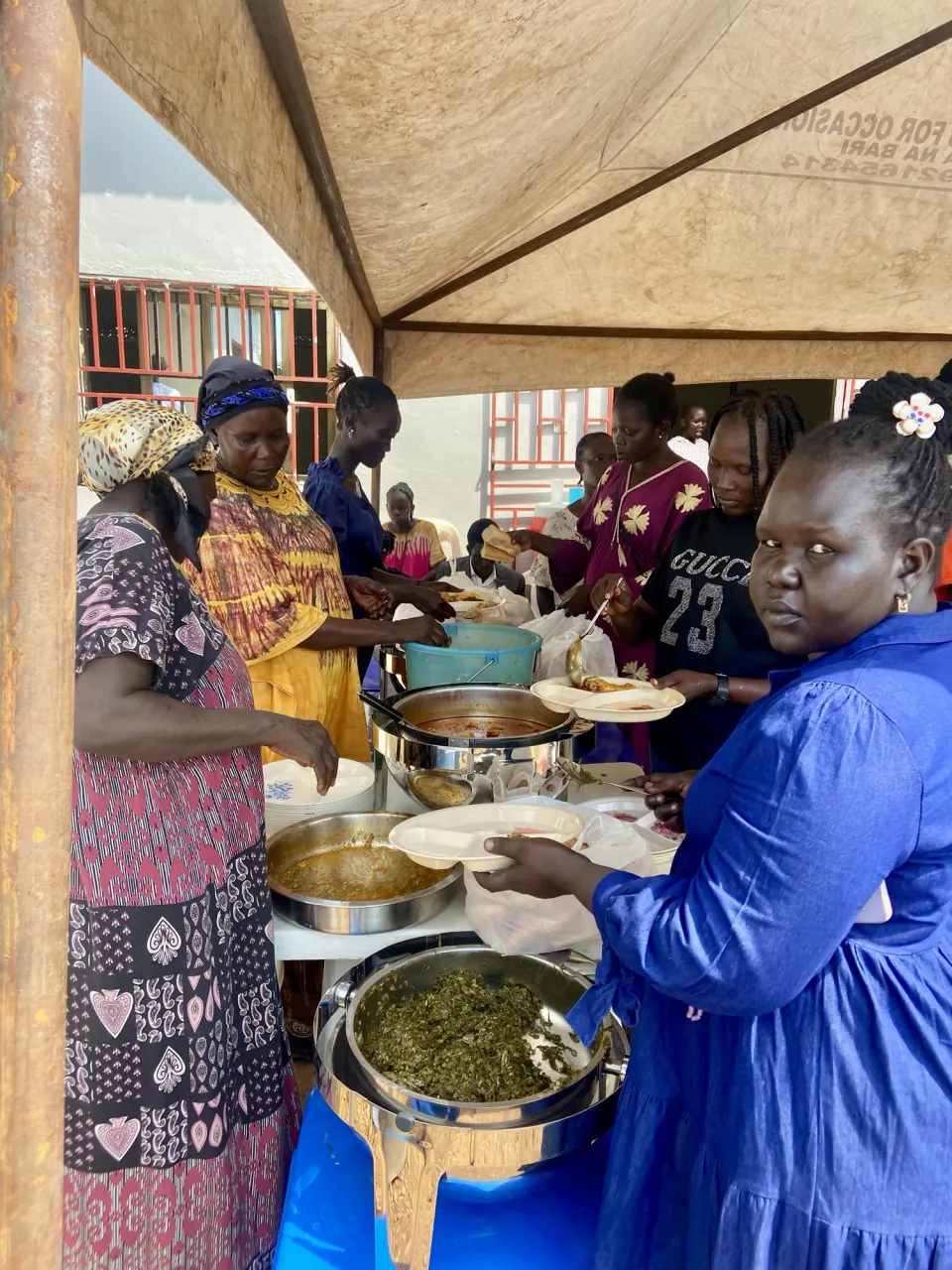
This teaching is free because people give.
Your gift sends medical missions, digs wells and feeds children through Chesed International.
Give to the ministryKeep reading
All teaching God
Choosing Your Destiny: The Power of Courageous Obedience
Discover how Paul, Jesus, and Esther fulfilled God's purpose through courageous choices. Your destiny depends on obedience, not comfort.
 God
What Does The Bible Say About Work?
According to the Bible, work is a meaningful, purpose-driven calling, not a mere obligation, through which believers glorify God, use their God-given talents (Matthew 25:14-30), and serve their families and communities (1 Timothy 5:8; Colossians 3:23).
 Faith
Why Did Jesus Heal on Sabbath? Biblical Deliverance Explained
Discover why Jesus healed on the Sabbath and what it reveals about biblical deliverance. The true meaning of Sabbath rest and restoration.