
How to Properly Read the Bible When Spiritually Dry

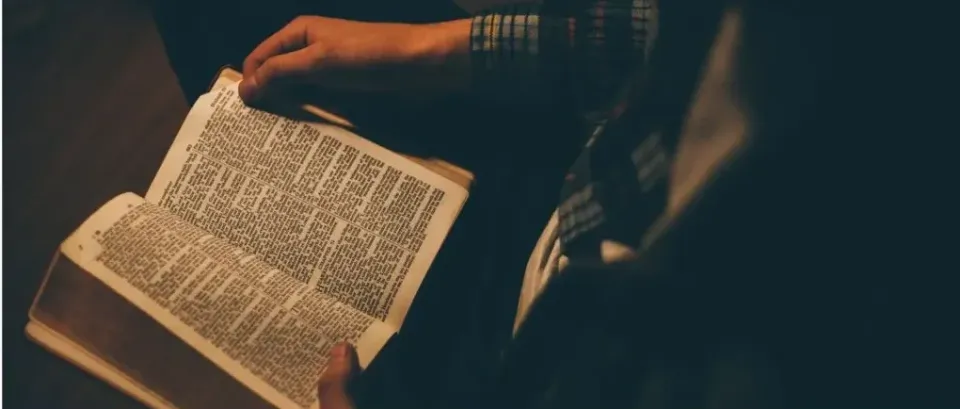
The correct way to read the Bible during a spiritually dry season is with an open, prayerful heart in a quiet setting, choosing short, honest passages like the Psalms or Gospels rather than complex theology or long reading plans.
Knowing how to properly read the Bible can help you reconnect with God when your faith feels dry. If the Bible has started to feel distant or hard to follow, you are not alone.
Over 26 million Americans stopped reading the Bible regularly between 2021 and 2022. Nearly three in five Christians say they wish they read it more. These numbers show that many believers feel stuck or disconnected. The issue is often not a lack of desire but not knowing how to read the Bible correctly when things feel off.
In this blog post, you will learn simple and realistic steps that can bring your Bible reading back to life. You will also discover how to use the Bible as a source of peace, clarity, and spiritual renewal. If you are in a dry season, this guide will help you read with purpose, not pressure.
Step 1: Start with a Simple, Quiet Setup
When learning how to properly read the Bible, especially during spiritually dry seasons, start by creating a space that invites focus and peace. You do not need a dedicated prayer room or a perfect morning routine. Just find a quiet spot where you can be alone and free from distractions. This could be your bedroom before everyone wakes up, a shaded corner of your backyard, or even your parked car during lunch break. What matters is that the space helps you feel present.
Turn off your phone or switch to airplane mode. Set aside your planner and don’t worry about time limits. This is not about completing a task but reconnecting with God. Even if your mind wanders, keep showing up. Creating this simple routine helps reset your heart and prepares you for a more meaningful experience. It is the first step in understanding how to read the Bible correctly and how to use the Bible with intention.
Step 2: Choose Short, Honest Passages
When figuring out how to properly read the Bible in a dry season, avoid jumping into complex theology or long reading plans. Instead, keep it simple and personal. The goal is not to study everything at once, but to reconnect your heart to God’s Word. Focus on short passages that reflect real human emotion or something you can relate to without feeling overwhelmed. The Psalms are filled with honest cries, doubts, and declarations of hope. The Gospels reveal how Jesus met people in their confusion, fear, and pain.
If you are unsure where to begin, here are a few honest, accessible passages to try:
- Psalm 42: For when you feel distant from God.
- John 4: When you feel unseen or thirsty for spiritual connection.
- Philippians 4: When you need peace and comfort.
- Matthew 11:28-30: When you feel tired and burdened.
- Isaiah 40:28-31: When you are running on empty.
Choosing short, emotionally honest sections is a powerful way to reconnect. This is one of the most practical ways to learn how to read the Bible correctly. It removes pressure and allows you to experience how to use the Bible as a source of comfort, not performance. Let these verses speak to your present reality.
Step 3: Read Slowly and Out Loud if You Need To
When you feel spiritually dry, it is easy to treat Bible reading like a chore and rush through it. But learning how to properly read the Bible during this season means slowing down and giving each verse your full attention. Choose a short passage and read it one verse at a time. Pause in between. Let the words settle before moving on. This practice helps your heart and mind stay engaged, even when motivation feels low.
If your thoughts keep drifting or the words feel flat, try reading out loud. Hearing Scripture activates different parts of your brain and helps you stay focused. It also brings the passage to life in a more personal way.
You do not need to finish a chapter. What matters is allowing the Scripture to speak. This is where you begin to understand how to read the Bible correctly and how to use the Bible as a tool for connection, not pressure.
Step 4: Ask One Question as You Read: “What Is This Showing Me About God?”
When you feel disconnected from Scripture, the best way to re-engage is to simplify your focus. Instead of trying to understand every detail or apply every verse to your life right away, ask one clear question as you read: “What does this show me about God?” This question shifts your mindset from self-centered reading to God-centered reflection.
As you go through a passage, look for signs of God’s character. Is He showing compassion? Is He offering wisdom or correction? Is He near to the brokenhearted? You do not need deep theological insight. You just need one truth to hold onto.
Even if the only thing you take away is a small glimpse of God’s nature, that can be enough to refresh your spirit. This is a key part of learning how to properly read the Bible and truly understanding how to read the Bible correctly during spiritually dry seasons.
If you're ready to take the next step in your walk with God, consider what needs to rise in your heart again. You can explore more in our reflection on Jesus raised from the grave, what needs to rise in you today.
Step 5: Write Down a Thought or a Feeling, Even If It’s Small
After you finish reading, take a few extra moments to reflect. Writing something down may seem simple, but it helps turn passive reading into active engagement. You do not need to write a detailed journal entry or devotional. Just open a notebook or a Notes app and capture one thought, emotion, or phrase that stood out. These small records create space for your heart to respond to what you read. They also help you notice patterns in how God is speaking to you over time.
Here are a few simple things you can write down after reading:
- A verse that stood out or felt personal
- A word or phrase that repeated
- A question that came to mind
- A moment where you felt convicted or encouraged
- A short prayer based on the passage
Writing even a sentence a day builds spiritual awareness. Over time, you will see how God meets you through His Word. This habit is part of how to use the Bible for long-term growth and is a helpful step in learning how to properly read the Bible with clarity and intention.
If you are facing emotional or spiritual heaviness, you may also find strength in our guide on
bible verses about depression finding comfort in scripture.
Frequently Asked Questions
What is the correct way to read the Bible?
The correct way to read the Bible is with a heart that is open, prayerful, and willing to listen. Start with a simple setup, choose a readable translation, and take your time with each passage. Focus on understanding what the text reveals about God, not just trying to finish a chapter. It helps to read slowly, reflect on what you’ve read, and apply it to your daily life. This approach is key to learning how to properly read the Bible and grow spiritually.In what order should a beginner read the Bible?
Beginners should start with books that are easier to understand and rich in practical teaching. A good order might be: The Gospel of John (to understand who Jesus is) Psalms (for emotional and spiritual honesty) Philippians or James (for practical daily wisdom) Genesis (to learn the foundation of God’s story) Avoid starting with complex books like Leviticus or Revelation until you build more context.What is the correct way to interpret the Bible?
To interpret the Bible correctly, consider the context of the passage. Who it was written to, what was happening at the time, and how it fits into the bigger story of Scripture. Use Scripture to interpret Scripture and compare translations if needed. Avoid reading personal opinions into the text. Praying for understanding, using study tools, and seeking wise counsel can help you learn how to read the Bible correctly and apply it accurately.Final Thoughts on How to Properly Read the Bible When You Feel Spiritually Dry
Spiritual dryness does not mean God is far from you. It is often a gentle invitation to slow down and reconnect. In this guide, you learned how to properly read the Bible through quiet space, short passages, slower reading, focused questions, and reflection. These simple steps can help you move from routine to relationship, and from emptiness to renewed connection with God's Word.
Now it’s your turn to apply what you’ve learned. Choose one step today and take it. Open your Bible with fresh eyes and trust that God will meet you there.
If you need prayer, we are here for you. Send us your prayer requests, sign up for our newsletter, or give a donation to support the work of helping those in need around the world. Let your next step in faith bless others too.
Common questions
What is the correct way to read the Bible?
The correct way to read the Bible is with a heart that is open, prayerful, and willing to listen. Start with a simple setup, choose a readable translation, read slowly, and focus on what the text reveals about God rather than finishing a chapter.
In what order should a beginner read the Bible?
Beginners should start with books that are easier to understand: the Gospel of John to know who Jesus is, Psalms for emotional honesty, Philippians or James for practical wisdom, and Genesis for the foundation of God's story.
What is the correct way to interpret the Bible?
To interpret the Bible correctly, consider the context of a passage — who it was written to and how it fits Scripture's bigger story. Use Scripture to interpret Scripture, compare translations, and pray for understanding rather than reading in personal opinions.
What should you read when you feel spiritually dry?
When spiritually dry, read short, honest passages instead of complex theology: Psalm 42 for feeling distant from God, John 4 for feeling unseen, and Philippians 4 for peace and comfort.

This teaching is free because people give.
Your gift sends medical missions, digs wells and feeds children through Chesed International.
Give to the ministryKeep reading
All teaching Faith
Bible Verses About Hope and Guidance for Each Day
A daily Bible verse anchors the day to God rather than to circumstance. Lamentations 3:22–23 gives the pattern: His mercies “are new every morning” — which is why Scripture is taken daily rather than stored up.
 Faith
What the Bible Can Teach You About Your Destiny
Read this blog to know about what the bible can teach you about your destiny.
 Faith
Daily Dose Of Destiny
Read this story mentioned in the Bible and understand what He has to say.