
Anointing Oil: Biblical Meaning and How to Use It


Anointing oil is more than a symbol: it is a consecrated point of contact used in Scripture for healing, protection, and setting people or places apart for God (Exodus 30, James 5:14). The power is in God's presence and faith, not the oil itself.
But today, many still ask: What is anointing oil really for? Is it just for church ceremonies, or is God still moving through it today?
If you’ve felt defeated, lost, or spiritually weary, this blog post will reveal how anointing oil—rooted in anointing oil scripture and still relevant—can awaken purpose and healing. In this blog post, we’ll explore anointing oil in the Bible, its prophetic meaning, how to use it with faith, and even how to make anointing oil for personal breakthrough.
What Is Anointing Oil and Where Does It Come From?
To understand the power of anointing oil, we must first answer the foundational question: what is anointing oil?
Anointing oil is a consecrated substance—usually olive oil—infused with fragrant herbs and spices. Traditionally, it’s used for spiritual purification, consecration, healing, and blessing. The anointing oil in the Bible was crafted according to specific instructions, as detailed in Exodus 30:22–25, where God commands Moses to blend myrrh, cinnamon, calamus, cassia, and olive oil into a "holy anointing oil."
While its physical ingredients may seem ordinary, its purpose was anything but. This sacred oil was set apart to consecrate the tabernacle, the priests, and even sacred furnishings.
Biblical Uses of Anointing Oil: More Than a Ritual
The use of anointing oil in the Bible wasn’t limited to ceremonial acts. In fact, it was a divine tool with practical and supernatural applications.
- Priestly consecration: In Leviticus 8:12, Moses poured anointing oil on Aaron’s head to sanctify him as high priest.
- Kingship and authority: Prophets anointed future kings like David and Saul, signifying divine selection and empowerment (1 Samuel 10:1; 1 Samuel 16:13).
- Healing and restoration: James 5:14 instructs the elders to anoint the sick with oil in the name of the Lord, linking physical healing to spiritual obedience.
- Sanctification and holiness: In Exodus, objects and places were anointed to mark them as holy and dedicated to God.
Clearly, biblical anointing was not symbolic alone—it activated spiritual authority and divine presence.
Modern-Day Applications of Anointing Oil
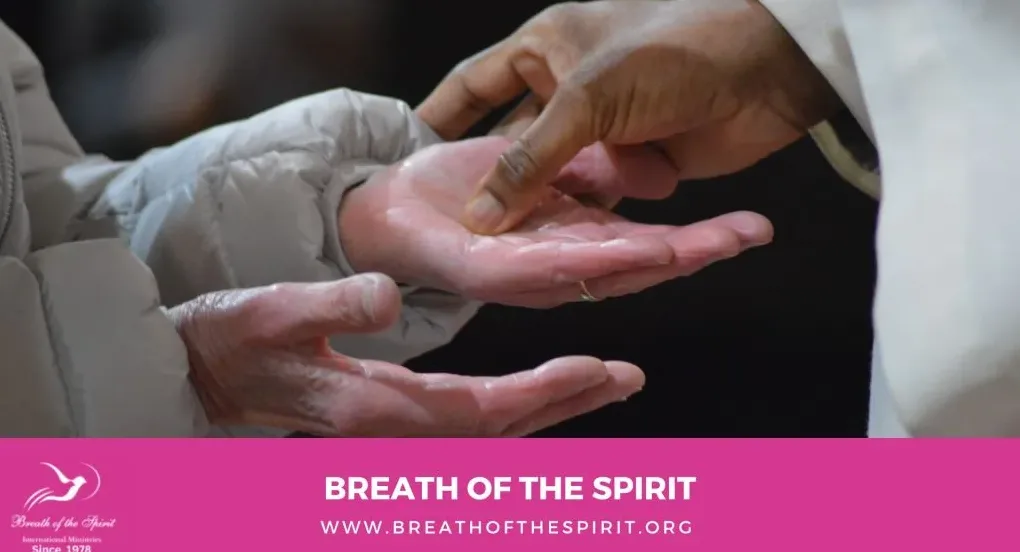
Far from being an Old Testament relic, anointing oil remains a powerful spiritual tool today. Churches and believers across the globe use it regularly in various settings.
Here are some common modern uses:
- Healing and deliverance
- Home dedication and spiritual warfare
- Prayer and intercession
- Ministry commissioning
Healing and Deliverance
In James 5:14, Scripture is clear: “Is anyone among you sick? Let them call the elders… and anoint them with oil in the name of the Lord.” This is not symbolic—it is instructional. When anointing oil is applied during healing prayer, it serves as a physical point of contact for supernatural intervention.
Ministries focused on inner healing and deliverance often apply oil to the forehead or hands while declaring healing scriptures aloud. It's not the oil that heals—but the faith, obedience, and spiritual alignment it represents. The oil marks the moment when the natural touches the supernatural.
Home Dedication and Spiritual Warfare
In Exodus 12, the blood on the doorposts marked protection from death. Today, anointing oil in the Bible continues this protective symbolism. Believers anoint the thresholds, windows, and corners of their homes while praying against spiritual oppression, confusion, and demonic footholds. This is especially common when moving into a new residence or sensing spiritual unrest. Many use oil while declaring verses like Psalm 91 or Isaiah 54:17. The act of anointing sanctifies the space, setting it apart for God's presence and peace.
Prayer and Intercession
During deep intercession, anointing oil becomes a prophetic act of surrender, spiritual authority, and divine commissioning. Individuals may anoint their hands before laying them on others in prayer, or place oil on their own heads while fasting or seeking direction.
In Exodus 29, Moses anointed Aaron to "minister unto the Lord"—a model for modern believers engaging in prayer ministry. Oil isn’t a ritual of superstition; it’s a prophetic act that acknowledges God’s Spirit is at work.
Ministry Commissioning
Ordaining pastors, missionaries, and worship leaders often includes the sacred use of oil. As with the prophet Samuel anointing David in 1 Samuel 16, this act is not ceremonial alone—it sets someone apart for divine purpose.
Anointing oil scripture confirms that those chosen by God were publicly recognized through anointing. In today’s context, this also includes praying for spiritual gifts, divine wisdom, and protection for those being sent into ministry or leadership roles. It’s an act of obedience that releases spiritual authority.
Anointing oil is more than a tradition—it is a divine tool meant for today’s battles. When applied with faith, knowledge, and spiritual authority, it becomes a conduit for God's presence and power in the life of every believer.
How to Use Anointing Oil with Faith and Purpose
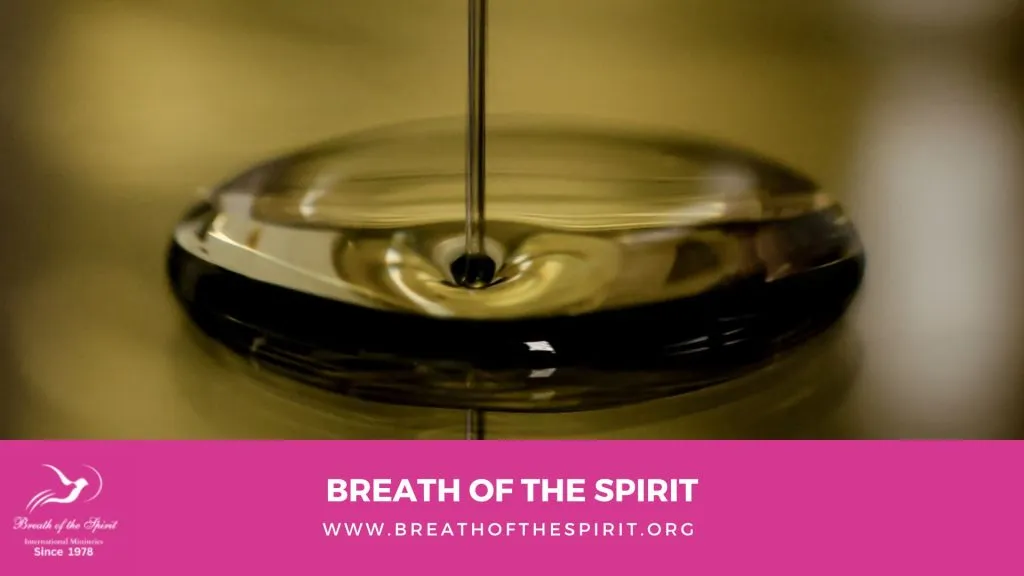
To truly unlock the spiritual power behind anointing oil, we must first understand that it is not a magic formula—it is an act of holy surrender. Whether you're praying for healing, protection, or fresh vision, the oil is a prophetic tool of alignment with heaven’s will. Knowing how to anoint oil properly adds depth, reverence, and divine expectation to your faith journey.
Before the oil ever touches a person or place, it must first pass through your heart—through faith, humility, and a hunger for God’s presence. Here’s how to use anointing oil with boldness and spiritual accuracy.
Start with Pure Olive Oil
Biblically, olive oil is the foundational base for anointing oil in the Bible. It represents richness, fruitfulness, and the pressing required to bring forth spiritual maturity. When choosing oil, avoid blends with additives. Use pure, cold-pressed olive oil as your base—just as priests and prophets did in ancient times. Its simplicity reflects the purity of the Holy Spirit.
Consecrate the Oil Through Prayer
You don’t need a priest or prophet to bless your oil—you can consecrate it by faith. Hold the oil in your hands and offer it to God in prayer. Speak over it with Scripture—such as Exodus 30, James 5:14, or Isaiah 10:27.
Ask the Lord to set it apart for His purposes — healing, deliverance, sanctification, or protection.This isn’t about reciting words; it’s about engaging in a heartfelt moment with the Holy Spirit, declaring the oil as a tool for His glory.
As you pray, remember — God responds in His timing and His way. Gain deeper insight into His divine responses in how does God answer our prayers yes no or wait.
Apply the Oil with Faith: Align Your Actions with Heaven
When it’s time to use the oil, don’t act out of routine. Act out of revelation.
Whether you're anointing a person, place, or object, do it prayerfully and intentionally. Apply a small amount—often to the forehead (symbol of thought), the hands (symbol of work), or doorposts and windows (symbolic of protection). As you anoint, speak declarations of Scripture.
- For healing: “By His stripes, we are healed.” (Isaiah 53:5)
- For protection: “No plague shall come near your dwelling.” (Psalm 91:10)
- For clarity and direction: “You anoint my head with oil; my cup overflows.” (Psalm 23:5)
The power isn’t in the act—it’s in the authority backing it. You’re not just placing oil; you’re releasing heaven’s agenda into the earth.
Use It in Specific Situations: Make It a Lifestyle of Faith
Anointing oil isn't limited to church services or emergency moments. It can be part of your spiritual lifestyle.
Here’s how:
- Before major decisions: Anoint your head and pray for wisdom and discernment.
- Over your children: Anoint them before school and declare God’s protection and destiny over their lives.
- During spiritual attack: Anoint doorframes and windows in your home, declaring that no demonic force has legal access to your space.
- While interceding: Anoint prayer lists, photos, or maps as you pray over loved ones or regions, believing God for breakthrough.
You can also keep a small bottle in your bag or car, ready to use whenever the Spirit prompts you.
The Power Lies in Obedience and Faith—Not the Oil
Let’s be clear: what is anointing oil? It is a symbol, yes—but also a divine point of agreement between your obedience and God’s supernatural power. The oil itself holds no magical properties. But when used in obedience to God’s Word and under the guidance of the Holy Spirit, it becomes a sacred instrument of divine release.
James 5:14 does not ask whether the oil is special. It asks whether the faith-filled act of obedience will be carried out. And when it is, heaven responds.
In the hands of a believer, anointing oil becomes more than tradition — it becomes a testimony. A testimony that God still heals. That He still delivers. That He still answers faith.
When you use it with understanding and purpose, you’re not just anointing — you’re agreeing with the promises of God and inviting them into your reality.
If you’re hungry to see God move more clearly in your life, it starts with aligning your heart to His ways. Discover powerful habits that position you to hear and receive in how to get God to answer your prayers habits that matter.
Frequently Asked Questions
What is anointing oil used for?
Anointing oil is used for healing, deliverance, consecration, and spiritual protection. It serves as a tangible expression of faith, inviting the Holy Spirit to move in power and purpose.What does the Bible say about anointing oil?
Anointing oil in the Bible is a divine tool used to consecrate, heal, and empower. Scriptures like Exodus 30 and James 5:14 show it as more than symbolic — it’s a declaration of God's active presence.What are the 5 ingredients of anointing oil?
According to Exodus 30:22–25, the biblical formula includes myrrh, cinnamon, calamus, cassia, and olive oil. Each ingredient carries prophetic meaning, pointing to healing, holiness, and the anointing of the Holy Spirit.Final Thoughts on Anointing Oil is More Than Just a Symbol
Anointing oil is far more than a symbol—it’s a powerful, biblical tool for healing, protection, and spiritual breakthrough. Rooted in Scriptures like Exodus 30 and James 5:14, it consecrates, heals, and empowers believers today. From home dedications to ministry commissioning, anointing oil invites God’s presence when used with faith and obedience. It’s not the oil itself, but the surrender to God’s will that unleashes divine power, transforming lives and spaces.
Next Steps: Embrace anointing oil in your spiritual journey! Consecrate your oil, apply it prayerfully, and declare God’s promises. Join Breath of the Spirit—submit prayer requests, subscribe to our newsletter for uplifting insights, or support our ministry with a donation to fuel God’s work. Visit breathofthespirit.org to start today!
Common questions
What is anointing oil used for?
Anointing oil is used for healing, deliverance, consecration, and spiritual protection. Applying it is a tangible act of faith that invites the Holy Spirit to move, whether over a sick person (James 5:14), a home, or someone being commissioned for ministry.
What does the Bible say about anointing oil?
The Bible describes anointing oil as a divine tool, not just a ritual. Exodus 30 gives God's recipe for holy anointing oil, and James 5:14 instructs elders to anoint the sick and pray over them in the name of the Lord.
What are the ingredients of biblical anointing oil?
According to Exodus 30:22-25, the biblical formula for holy anointing oil combines myrrh, cinnamon, calamus, cassia, and olive oil. Each ingredient carried prophetic meaning, pointing toward healing, holiness, and the Spirit's anointing.
Does anointing oil itself have healing power?
No. Scripture is clear that the oil itself holds no magical properties. James 5:14 emphasizes obedience and faith, not the substance - the oil is a physical point of contact, but healing and power come from God, released through prayer offered in faith.
How do you use anointing oil today?
Believers today use anointing oil by consecrating it in prayer, then applying it prayerfully to a person's forehead or hands, or to a home's doorposts, while speaking Scripture over the situation - for healing, protection, or guidance.
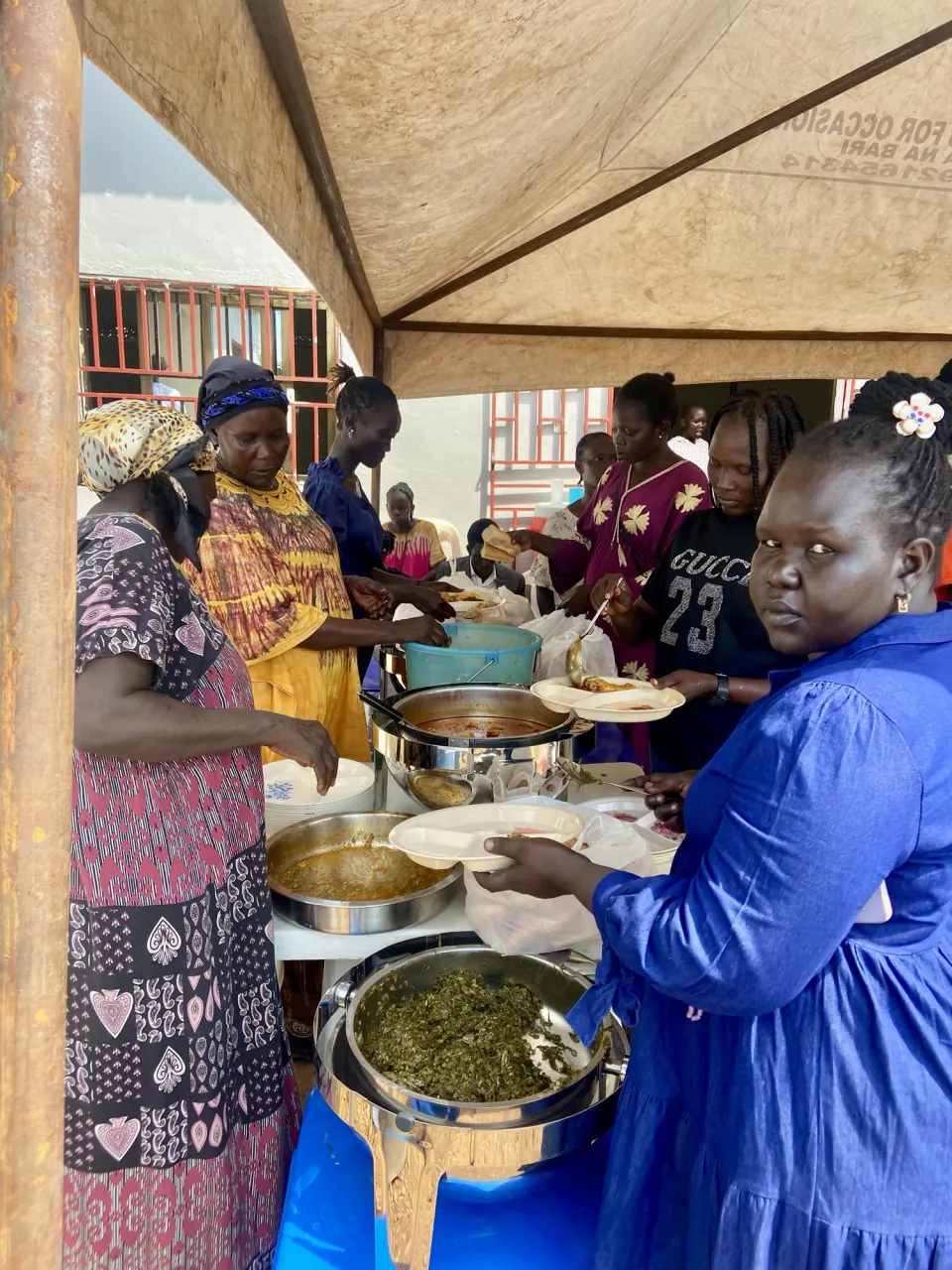
This teaching is free because people give.
Your gift sends medical missions, digs wells and feeds children through Chesed International.
Give to the ministryKeep reading
All teaching Faith
Sabbath Meaning: The Biblical Roots of Rest and Deliverance
Sabbath (Hebrew "Shabbat," from "shavat," meaning "to cease from doing") is God's pattern of rest first modeled in Genesis 2, and in Scripture it also represents deliverance from bondage and liberation from oppressive burdens, not merely a day off.
 Faith
Prayer Cloth: What It Is, How to Anoint It, and Pray with Power
A prayer cloth is fabric anointed with oil and prayed over, then used as a point of contact for faith, based on Acts 19:11-12, where cloths touched by Paul were carried to the sick. The power is in God and faith, not the cloth itself.
 Faith
Embracing the Supernatural: Experiencing God's Power Today
Embracing the supernatural means living with daily expectation that the Holy Spirit's power — healing prayer, prophetic dreams and visions, and seasons of revival — is active for believers now, not confined to Bible times, as we seek God through prayer, worship, and Scripture.