
What Happens in Bible Study: Common Misconceptions Explained


Have you ever wondered what happens in Bible study and whether it is only for experts or deeply religious individuals? Bible study offers a unique way to engage with scripture, yet many people hesitate because they are unsure how to study the Bible or where to begin studying the Bible.
About 80 percent of Americans consider the Bible sacred, but fewer than 10 percent read it daily. This gap shows that curiosity about Bible study exists, but uncertainty often prevents participation. Learning what happens in Bible study can change that.
In this blog post, we will address common misconceptions, explain how does Bible study work, and show how group discussions and reflection can make scripture relatable and practical. Studies also show that 57 percent of regular Bible readers feel closer to others through reading and discussion, highlighting the social and spiritual benefits of joining a Bible study group.
Misconception 1: Bible Study Is Only for Experts
A widespread belief is that Bible study is reserved for scholars, clergy, or people with extensive biblical knowledge. Many beginners feel discouraged because they assume they cannot contribute meaningfully to discussions. The truth is that Bible study welcomes all levels of experience.
Key points to understand:
- Inclusive Environment: Most Bible study groups are designed to accommodate participants of all ages and knowledge levels. Leaders often provide context and guidance for those who are just starting, making it easy to follow along.
- Shared Learning: Group discussions create opportunities for participants to learn from each other. Even simple observations can spark meaningful conversation and reveal new insights into scripture.
- Encouragement of Questions: Questions are a vital part of learning. Asking questions is welcomed and often leads to a richer understanding for the entire group.
This understanding helps answer the common query of “how to study the Bible” for the first time. Beginners are not only allowed to join. They are encouraged to participate fully and learn alongside others.
Misconception 2: It’s Just Reading the Bible Silently
Some people assume that Bible study is limited to quiet reading or solitary reflection, picturing a room full of individuals silently flipping through pages. While reading scripture is an essential part of the process, Bible study sessions are designed to be highly interactive and engaging. They offer participants the chance to explore passages in depth, hear diverse perspectives, and consider how biblical teachings can shape their everyday choices. This makes Bible study not just an intellectual exercise, but a practical and communal experience that encourages growth on multiple levels.
Typical activities in a Bible study session include:
- Guided Reading: Leaders choose specific passages and provide context, explaining historical background, language nuances, and various interpretations. This ensures participants can understand the meaning behind the text.
- Discussion and Reflection: Members share insights, personal experiences, and questions, fostering dialogue that deepens comprehension and encourages critical thinking.
- Practical Application: Groups focus on how lessons from scripture, such as forgiveness, compassion, and patience, can be applied to relationships, work, and personal decisions.
These activities illustrate how does Bible study work in real practice. Combining reading, discussion, and application creates a dynamic environment where participants not only gain knowledge but also develop a personal connection to the teachings, making the experience both meaningful and transformative.
Misconception 3: Discussions Are Only About Theology
Many people assume that Bible study is solely focused on theological debates or complex doctrinal discussions, which can make the idea of joining feel intimidating. While theology can certainly be part of the conversation, the primary goal of Bible study is to help participants understand scripture in ways that are practical and meaningful for daily life. Discussions are designed to connect biblical teachings to real-world experiences, guiding members in applying these lessons to personal challenges, relationships, and moral decisions.
Key aspects of discussions include:
- Life Application Over Theory: Sessions emphasize how scripture can inform everyday choices, offering guidance on handling conflicts, making ethical decisions, and developing character traits like patience, honesty, and compassion.
- Community and Support: Participants are encouraged to share their personal struggles and successes, creating a supportive network that strengthens both spiritual and emotional connections.
- Exploration Without Judgment: The study environment fosters open-minded dialogue, allowing members to ask questions, express differing interpretations, and learn without fear of criticism or being wrong.
This approach makes Bible study approachable for everyone, including those who are just beginning their journey with scripture. A focus on practical application and shared learning helps answer the question of where to begin studying the Bible and shows how engaging with others strengthens both understanding and personal faith.
As that understanding grows, many readers feel called to live out what they learn, which makes it natural to explore ways to support faith driven outreach by choosing to partner with Christian humanitarian aid organizations through active service and collaboration.
The Importance of Bible Study
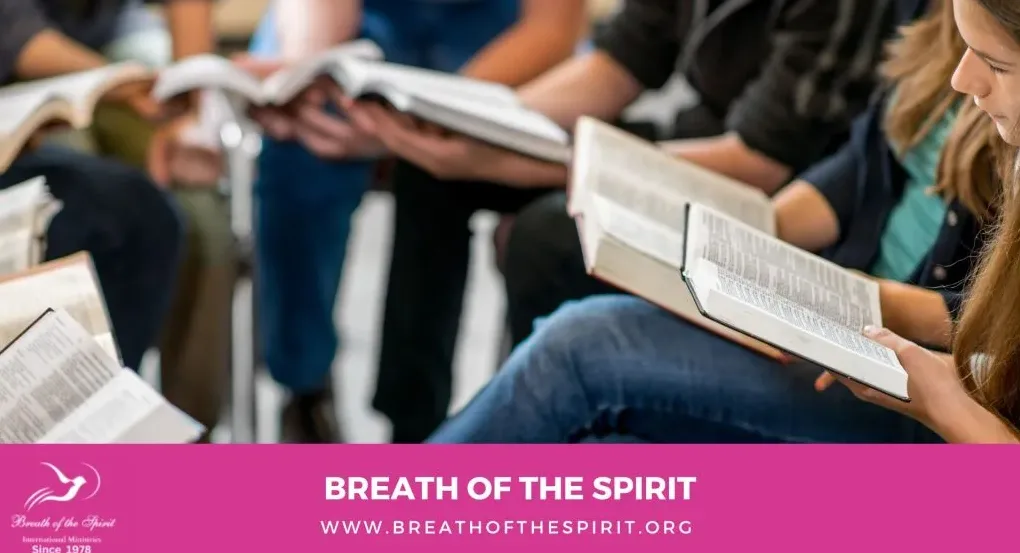
Understanding what happens in Bible study requires looking beyond reading scripture and recognizing how the process shapes faith, thinking, and daily life.
Bible study creates a structured space where individuals explore biblical texts, ask questions, and apply lessons to real situations. This environment supports spiritual growth while helping participants understand how Bible study works through guided discussion, reflection, and shared insight.
For those wondering where to begin studying the Bible, study groups and structured lessons remove uncertainty and provide a clear starting point grounded in context and purpose.
Aspect of Bible Study | How It Helps Participants |
Spiritual Growth | Regular engagement with scripture strengthens faith, deepens understanding of God’s character, and encourages a consistent personal relationship with Him. |
Critical Thinking and Reflection | Group discussion and personal study promote analysis of passages, comparison of interpretations, and thoughtful reflection on meaning and context. |
Community and Fellowship | Shared learning builds trust, accountability, and belonging, often leading to lasting friendships and spiritual support systems. |
Guidance for Daily Life | Biblical lessons offer practical direction for decision making, navigating challenges, and developing character rooted in faith. |
Study Skills Development | Participants learn how to study the Bible effectively through observation, interpretation, and application rather than passive reading. |
Bible study empowers individuals to engage actively with scripture instead of consuming it passively. Participants gain clarity on what happens in Bible study and learn practical ways to grow spiritually. They also build confidence in applying biblical principles to daily life. As understanding deepens, many readers choose to explore spiritual discernment further through discerning of spirits vs human intuition and knowing the difference.
FAQs About Bible Study
What exactly is it when being at Bible study?
Being at Bible study means actively engaging with scripture in a focused setting. Participants read selected passages, discuss meaning, and reflect on application. The process clarifies what happens in Bible study through guided questions, shared insight, and practical takeaways rather than passive listening.What is the main purpose of a Bible study?
The main purpose centers on spiritual growth and understanding. Bible study helps people learn how scripture applies to real life, strengthens faith, and builds consistency in learning. It also teaches how Bible study works by combining reading, discussion, and reflection into a clear process.What to expect at a Bible study group?
A Bible study group usually includes reading scripture, open discussion, and prayer. Leaders often guide conversation to help newcomers learn how to study the Bible with context and clarity. Groups also provide encouragement and structure for those deciding where to begin studying the Bible.Final Thoughts on What Happens in Bible Study
Understanding what happens in Bible study removes fear and confusion. Bible study invites people to ask questions, reflect deeply, and apply scripture to real life. It shows how Bible study works through discussion, guidance, and shared insight. It also gives a clear answer to where to begin studying the Bible by offering structure, support, and community. Anyone can grow spiritually through this process.
The next step requires action. Put learning into practice by staying connected and involved. You can share your needs and invite prayer by submitting your requests through the prayer request form. Stay encouraged and informed by signing up for the Breath of the Spirit newsletter. If you feel led to help others, consider making a donation to support those in need.
Bible study grows faith. Action strengthens it. Stay connected and take the next step with Breath of the Spirit.
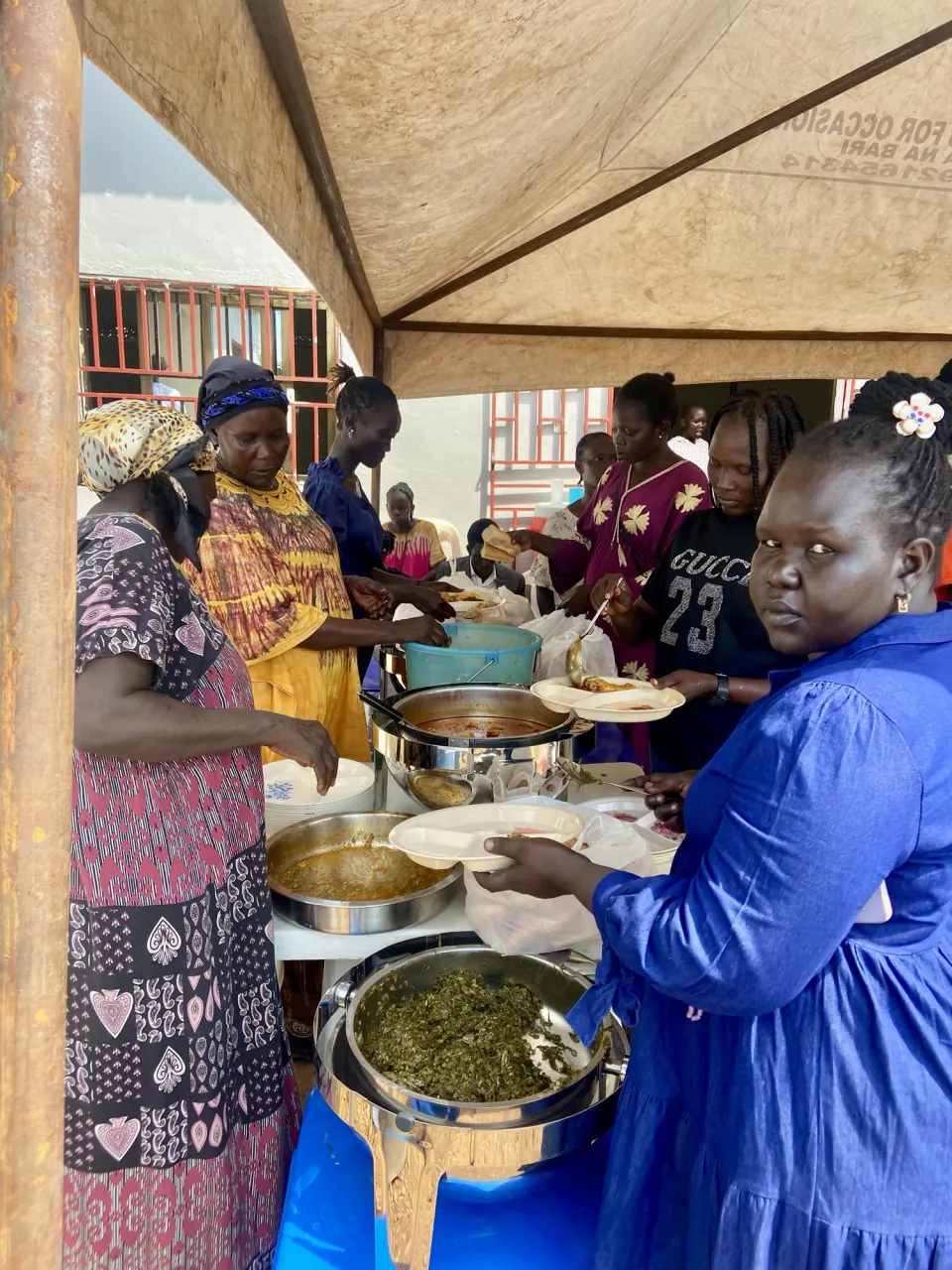
This teaching is free because people give.
Your gift sends medical missions, digs wells and feeds children through Chesed International.
Give to the ministryKeep reading
All teaching Faith
Misconceptions About Speaking in Tongues in the Bible
The biggest misconceptions are that speaking in tongues in the Bible is meaningless gibberish, that it was only for a select few in the early church, and that it ceased after apostolic times — none of which Scripture actually teaches.
 Faith
Why Did Jesus Heal on Sabbath? Biblical Deliverance Explained
Discover why Jesus healed on the Sabbath and what it reveals about biblical deliverance. The true meaning of Sabbath rest and restoration.
 Faith
10 Easy Ways to Engage with the Bible
You engage with the Bible through reading, meditating, praying it back to God, listening, studying, sharing what you learn, hand-copying verses, memorizing Scripture, inductive study, and exegesis — ten practices Scripture itself models for deepening understanding and drawing closer to God.