
Are We Living in the Last Days? Separate Fear From Biblical Truth


Are we living in the last days? With headlines about the Iran war of 2026, widespread conflict, and rising global fear, this question echoes in the hearts of many believers. When people search are we in the last days, they are not just curious. They are wrestling with real anxiety and longing for biblical clarity as they try to make sense of world events in light of God’s Word.
Recent surveys reveal this unrest. A Pew Research Center study shows nearly forty percent of U.S. adults believe we are living in the end times. Another YouGov poll finds about sixty-one percent of Americans think a major world war is at least somewhat likely in the next five to ten years. These statistics show how deeply fear has taken root in our culture.
The problem is that many Christians mix secular fear with spiritual misunderstanding. In this blog post, we will talk about the Iran war of 2026, what Jesus really taught about wars and the last days, why fear spreads so easily, and how believers can respond with faith, hope, and biblical truth instead of panic.
Iran War of 2026: Are We Living in the Last Days?
The Iran war of 2026 has intensified the global question are we living in the last days. In early 2026, long‑standing tensions between the United States, Israel, and Iran escalated into a major regional conflict. U.S. and Israeli forces carried out significant strikes on Iranian military sites. Iran responded with waves of missiles and drones that reached across the Middle East, including attacks inside Israel and nearby regions. Iran then turned down cease‑fire talks and announced it is preparing for a possible ground invasion. These developments have drawn in multiple nations, affected global supply chains, and driven up energy costs as oil markets reacted to rising instability.
This situation has many Christians uneasy and searching for answers. On social media, believers and skeptics alike post about prophecy and are we in the last days. Television programs debate whether these events signal fulfillment of biblical predictions, while articles note stock market volatility and political risk. Some even ask who will witness Jesus return as fear grows. Yet before concluding that this war proves the end times have arrived, it is essential to look first at what Jesus and the Bible actually teach about wars and the last days.
What Jesus Actually Said About Wars and “Rumors of Wars” in the Last Days
When Jesus spoke about the last days, He did not start with fear or panic. In the Gospel of Matthew, chapter 24, His disciples asked what would be the sign of His coming and the end of the age. Jesus responded that people would hear of wars, conflicts, and unrest, but He explicitly warned His followers not to be alarmed every time they hear of such events.
Jesus said that “you will hear of wars and rumors of wars,” but that these happenings do not immediately signal the end of all things. Instead, He placed them in a context of ongoing human history where conflict emerges again and again. This teaching shows that while war is a part of human brokenness, it is not in itself a conclusive sign that the final day has come.
Christ did not instruct believers to decode every headline as prophecy. He focused instead on spiritual readiness, faithfulness, and discernment. Jesus teaches that genuine followers remain watchful in heart and spirit, not jittery with speculation. This distinction matters when people ask are we living in the last days during every global flare‑up.
Why Modern News, Social Media, and Prophecy Speculation Are Fueling Fear
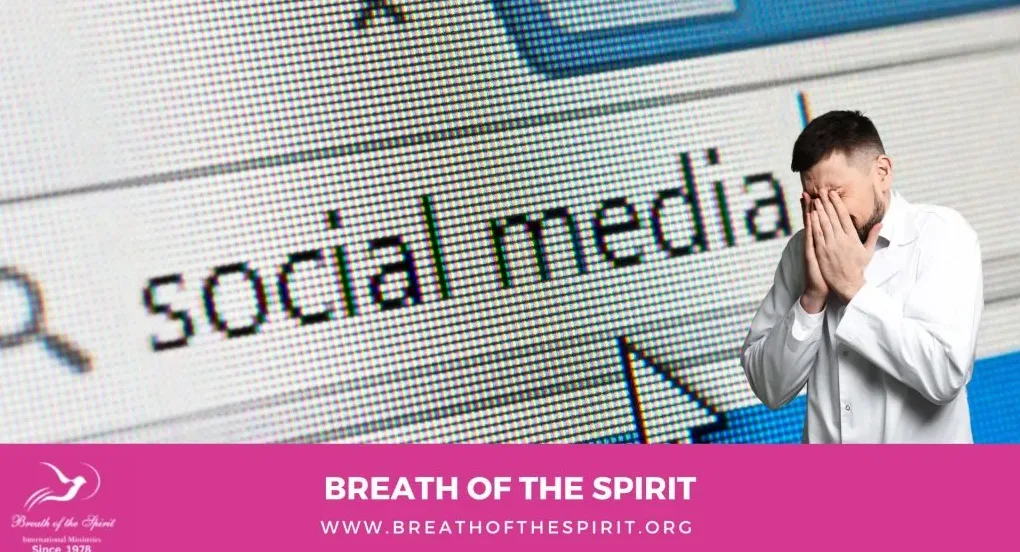
In the digital age, news travels instantly. A missile strike, a political statement, or an economic downturn can go viral within minutes. Algorithms reward dramatic headlines and speculative content because it attracts clicks, shares, and engagement. This environment makes it easy for fear to spread more rapidly than facts.
Several factors fuel anxiety about the end times:
- Selective interpretation of news - People may take specific events out of context and pair them with biblical phrases without examining the whole Scripture.
- Social media echo chambers - Content that predicts doom tends to circulate in tight circles where affirmation of fear outpaces balanced teaching.
- Non‑scholarly prophecy voices - Self‑appointed experts on prophecy often present opinions as certainties, increasing confusion rather than clarity.
- Emotional response to conflict - When war or disaster affects everyday life, emotional reactions can override rational reflection on biblical teachings.
Because of these influences, even well‑intentioned believers can adopt an anxious mindset instead of a faith‑filled perspective. It is essential for Christians to distinguish between news reporting and spiritual truths that align with Scripture.
To strengthen your foundation and see how faith can shape your actions, explore Christian foundations and the impact of giving.
Biblical Truth: What Christians Should Do Instead of Living in Fear During Global Crisis
The Bible recognizes that difficult and uncertain times will happen, including wars, natural disasters, and political upheaval. Yet Scripture consistently calls Christians to respond with faith, hope, and trust in God rather than fear. Even during global crises like the Iran war of 2026, believers are reminded that God remains sovereign and in control of history.
Fear often spreads when people focus on headlines and speculation, but the Bible offers clear guidance on how to maintain peace of mind, spiritual clarity, and purposeful action. Below are key biblical truths and practical ways to respond rooted in Scripture.
Study Scripture for Correct Understanding
One of the most powerful tools a believer has is the Word of God. The Bible provides a comprehensive perspective on prophecy, including the signs of the last days, that far exceeds any analysis offered by news outlets or social media. Studying Scripture allows Christians to see that wars, conflicts, and crises have always been part of human history, and their occurrence does not automatically mean the final day has arrived.
By grounding understanding in God’s Word, believers can differentiate between sensationalized claims and biblical truth. Careful study also helps answer questions such as who will witness Jesus return, providing confidence that faith and readiness matter more than speculation. Consistent engagement with Scripture strengthens spiritual discernment, builds peace in uncertain times, and equips believers to face global crises without panic.
Focus on Prayer Instead of Panic
Prayer is the most direct way to cultivate trust in God during uncertain times. Rather than being consumed by fear, Christians are called to lift up their concerns, pray for wisdom, and intercede for those affected by conflicts like the Iran war of 2026.
Prayer reminds believers that God’s sovereignty extends over every human event, from wars to economic instability. It shifts the focus from anxiety about what might happen to active trust in God’s plan. The Bible encourages believers to pray for peace, guidance, and courage, grounding their hearts in God’s promises instead of worldly fear. Consistent prayer also strengthens spiritual resilience, helping Christians remain steadfast in faith even when global events feel overwhelming.
Live a Life of Spiritual Readiness
Jesus emphasized the importance of living in faithful readiness, not in fear or obsessive calculation. Spiritual readiness involves cultivating a life centered on love, obedience, and holiness, rather than trying to predict when the end will come. Being ready means prioritizing a deep relationship with God, following His commands, and demonstrating integrity in daily life.
Believers who live prepared spiritually can face global crises without panic because their hope is anchored in God, not in worldly circumstances. Maintaining readiness also reassures the community of faith, providing a stable example of calm and trust when others may succumb to fear and speculation. Living in readiness reflects a commitment to God’s eternal plan, rather than getting lost in the noise of current events.
Show Compassion and Support
Global conflicts like the Iran war of 2026 create real suffering for millions of people. Christians are called to respond with compassion and practical support, reflecting the heart of Christ. Acts of kindness, encouragement, prayer, and tangible help provide hope and relief to those affected by turmoil. Supporting others also shifts the focus from personal fear to active love and service, which aligns with biblical teaching.
The Bible emphasizes caring for the vulnerable and helping the hurting as a core expression of faith. Demonstrating compassion during times of crisis strengthens both the giver and the receiver, allowing believers to live out their faith in a meaningful, God-honoring way while countering the fear that spreads in response to global instability.
To understand how this aligns with your spiritual journey and God’s plan for your life, read more about prophetic teaching and discovering your personal calling.
FAQs: Are We Living in the Last Days?
Are we truly in the last days?
While difficult times are part of human history, the Bible teaches that wars and crises alone do not signal the immediate end. Believers are called to remain faithful and discerning.What are the 7 signs of Revelation?
The Book of Revelation mentions key signs such as wars, famine, plagues, earthquakes, persecution, moral decline, and the spread of the Gospel. These point to the unfolding of God’s plan rather than exact dates.Could we be living in the last days?
Many Christians believe the last days began with Christ’s first coming, and difficult events continue as part of God’s plan. Faithful living and spiritual readiness matter more than predicting exact timelines.Final Thoughts on Are We Living in the Last Days?
The question are we living in the last days continues to surface whenever wars, global tensions, and uncertainty dominate the headlines. As this article explained, events like the Iran war of 2026 can intensify fear and speculation. However, Scripture reminds believers that wars and crises alone do not determine the end of the age. Instead, Jesus calls His followers to live with faith, spiritual readiness, and confidence in God’s sovereignty.
Rather than allowing fear to take control, believers should focus on studying God’s Word, praying faithfully, and showing compassion to those who suffer during times of conflict. These responses reflect the heart of Christ and help Christians remain grounded in truth.
If this message encouraged you, consider taking the next step in faith. You can share your needs through prayer requests, stay spiritually encouraged by joining our newsletter, or help support those in need by sending a donation through Breath of the Spirit.

This teaching is free because people give.
Your gift sends medical missions, digs wells and feeds children through Chesed International.
Give to the ministryKeep reading
All teaching Faith
Jesus Raised from the Grave: What Needs to Rise in You Today?
Discover the power of Jesus Raised from the Grave. Learn how this truth can help overcome discouragement, fear, and hopelessness.
 Faith
What Is the Spirit of Perversion? How It Destroys You
The spirit of perversion is a distortion of God's truth that twists identity, morality, and reality — not limited to sexual sin — leading people to trade Scripture for feelings, call evil good, and value tolerance over righteousness (Isaiah 19:14).
 Life
Prayer for Positive Energy to Overcome Fear and Negativity
A prayer for positive energy asks God to remove fear, doubt, and negative thoughts and to fill the heart with peace, hope, and gratitude, redirecting the mind toward faith and spiritual strength instead of anxiety.