Christian Foundations: What They Are and Why They Matter Today


Christian foundations are faith-based nonprofit organizations that manage donations, grants, and charitable initiatives according to Christian values — funding church disaster relief, poverty charities, and church charity programs through structured, accountable stewardship rather than one-time, symbolic giving.
In recent years, religious organizations have received the largest portion of charitable donations in the United States, totaling more than one hundred forty six billion dollars in a single year. At the same time, over half of U.S. congregations actively support social services through church charity programs, donation bins, church disaster relief, and partnerships with poverty charities. Despite this scale of involvement, confusion still surrounds how these efforts work and where they create the greatest impact.
In this blog post, you will learn what Christian foundations are, how they function, and why they remain essential for communities and society today.
What Are Christian Foundations and How Do They Work
Christian foundations are faith based nonprofit organizations that manage donations, grants, and charitable initiatives according to Christian values. Unlike informal or spontaneous giving, christian foundations operate with clear missions, legal structures, and accountability standards that guide how resources serve people and communities over time.
Most christian foundations raise funds through individual donors, church partnerships, planned giving programs, and long term endowments. They direct these resources toward causes that align with their faith based purpose, including church charity initiatives, education, healthcare support, missions, and community development. This approach ensures that generosity supports both immediate needs and long range solutions.
How Christian Foundations Operate in Practice
Christian foundations function through organized systems that protect integrity, transparency, and impact. Leadership teams and boards oversee decision making, evaluate funding priorities, and ensure that giving aligns with biblical stewardship principles.
- Collect and manage donations responsibly through governed financial systems
- Partner with churches to support donation bins, outreach events, and volunteer programs
- Fund church disaster relief efforts during emergencies and recovery periods
- Support poverty charities focused on education, food security, and basic needs
Through these processes, Christian foundations turn faith into structured action. This model allows generosity to move beyond one time gifts and into sustainable support that strengthens churches, communities, and those facing ongoing hardship.
Biblical Principles That Shape Christian Foundations
Christian foundations draw their purpose from scripture, not trends or public opinion. Core biblical principles guide every decision, from fundraising to grant distribution.
Stewardship stands at the center. Scripture teaches that resources come with responsibility, not ownership. Foundations apply this by managing funds carefully and prioritizing long term impact over short term recognition.
Compassion also shapes their mission. Teachings about caring for the poor, the vulnerable, and the displaced influence how foundations support poverty charities and humanitarian efforts. Giving reflects obedience and service, not obligation.
Integrity and accountability matter equally. Christian foundations operate with ethical oversight because faith demands honesty in action. Transparent reporting, responsible leadership, and mission alignment reflect biblical calls to walk faithfully in both belief and practice.
How Christian Foundations Put Faith Into Action Today
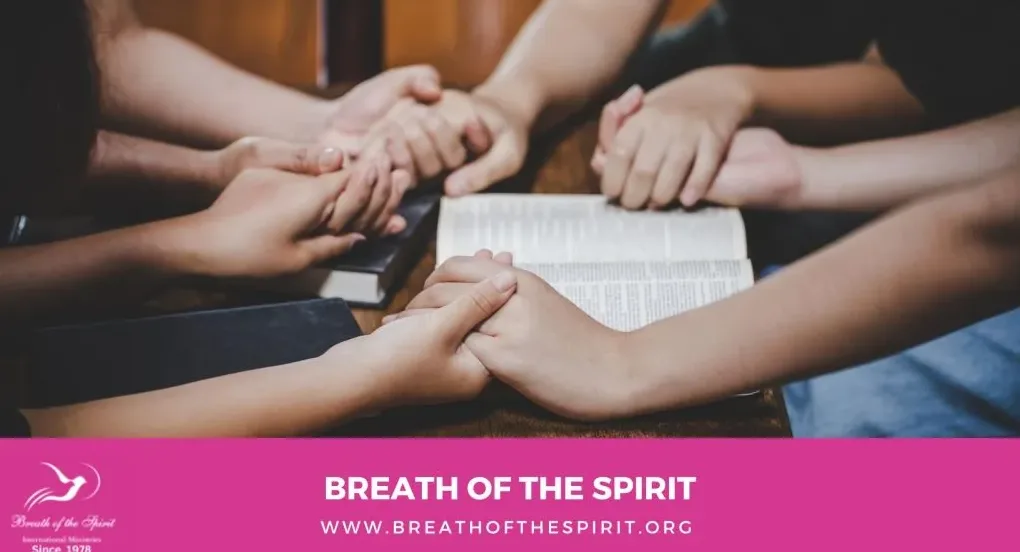
Christian foundations put faith into action by aligning resources with real world needs through deliberate planning and collaboration. They work closely with churches, nonprofits, and community leaders to ensure that giving leads to outcomes that last beyond short term relief. This hands on approach allows christian foundations to respond quickly to crises while also investing in long term solutions that strengthen families and communities.
- Support church disaster relief by funding emergency shelters, food distribution centers, and medical response teams after natural disasters. These efforts prioritize rapid deployment and coordination with local churches to reach affected families quickly. Funding often extends beyond the initial crisis to cover rebuilding and recovery phases.
- Strengthen church charity programs that provide consistent support such as food pantries, counseling services, and housing assistance. Christian foundations help churches scale these programs through grants, training, and infrastructure support. This allows local ministries to serve more people without compromising sustainability.
- Partner with poverty charities to address root causes through education, job training, and healthcare access. Funding supports programs that focus on self sufficiency rather than dependency. These initiatives often target underserved populations with measurable long term outcomes.
- Fund community based initiatives that use donation bins to collect clothing, supplies, and essential goods. These programs meet immediate needs while creating entry points for broader support services. Churches often use these touchpoints to connect individuals with counseling, employment, or housing resources.
Christian foundations focus on measurable outcomes rather than symbolic acts of generosity. Their programs connect emergency aid with long term planning, ensuring that families receive continued support after the initial crisis passes. Funding decisions prioritize accountability, local partnerships, and programs that demonstrate lasting impact. Through structured giving, Christian foundations help churches and poverty charities strengthen communities, reduce repeated dependency, and create practical pathways toward stability and self sufficiency.
For those looking to deepen their understanding of faith driven purpose and personal calling, exploring resources on prophetic teaching can provide guidance on how to align individual gifts with broader acts of service and impact. You can learn more about this approach here.
Why Christian Foundations Still Matter in Modern Society
Modern society faces increasing inequality, growing vulnerability to natural disasters, and fragmented social networks that leave many communities struggling to access essential support. In this context, Christian foundations provide stability and direction through faith driven principles applied to organized giving. Their work ensures that generosity reaches both immediate needs and long term solutions, creating tangible impact in areas such as church charity programs, poverty charities, and church disaster relief efforts.
Christian foundations operate with strategic planning and foresight rather than reactive or ad hoc charity. They fund initiatives that address systemic issues instead of temporary symptoms, investing in programs that promote education, healthcare, job training, and community development. This intentional approach helps prevent cycles of dependency while fostering resilience among individuals and families who rely on their support.
Building Trust and Accountability in Giving
Christian foundations strengthen trust by connecting donors’ values with their contributions. Many donors want their giving to reflect personal faith, and foundations offer that alignment while upholding professional governance and measurable outcomes. Transparent financial reporting, rigorous program evaluation, and partnerships with local churches ensure that every donation, from funding donation bins to supporting long term poverty charities, achieves meaningful results.
Maintaining ethical leadership and clear purpose allows Christian foundations to distinguish themselves in a crowded nonprofit sector where credibility can be uncertain. Structured, faith based programs enable foundations to act decisively during crises such as church disaster relief while simultaneously building sustainable initiatives that improve communities over time. This combination of integrity, impact, and strategic vision ensures that Christian foundations remain essential pillars of modern society.
For those looking to actively participate in faith driven service, mission trips provide a practical way to support communities and contribute alongside church charity programs and poverty charities. Following a detailed step by step planning checklist ensures your mission trip delivers meaningful, organized impact while reflecting the principles that guide Christian foundations. You can explore a comprehensive guide to planning a mission trip that walks through every stage from preparation to execution.
Frequently Asked Questions about Christian Foundations
What are Christian foundations?
Christian foundations are faith based nonprofit organizations that manage donations, grants, and charitable initiatives according to Christian values. They support programs such as church charity efforts, poverty charities, donation bins, and church disaster relief, combining stewardship with long term community impact.What is the largest Christian foundation?
The largest Christian foundation in the United States is the Billy Graham Evangelistic Association Foundation, which supports evangelism, humanitarian aid, and disaster relief globally. It operates alongside other major faith based organizations that manage substantial donations to support churches and charitable initiatives.What is a good Christian foundation?
A good Christian foundation demonstrates transparency, accountability, and measurable impact. Examples include foundations that fund church charity programs, support poverty charities, organize donation bins for communities in need, and provide church disaster relief while maintaining strong ethical governance.Final Thoughts on Christian Foundations: What They Are and Why They Matter Today
Christian foundations show how faith can create tangible, lasting change through structured giving, ethical leadership, and community engagement. Throughout this post, we’ve explored what christian foundations are, how they operate, the biblical principles guiding their work, and how they support church charity programs, poverty charities, donation bins, and church disaster relief. Their model proves that generosity rooted in faith can meet immediate needs while addressing long term challenges, strengthening communities in meaningful ways.
Readers can take part in this mission of service and compassion in several ways. You can submit your prayer requests to receive spiritual support, sign up for the Breath of the Spirit newsletter to stay inspired and informed, or make a donation to help those in need. Each of these actions allows you to participate in faith driven impact and support the ongoing work of christian foundations.
Common questions
What are Christian foundations?
Christian foundations are faith-based nonprofit organizations that manage donations, grants, and charitable initiatives according to Christian values. They fund church charity programs, poverty charities, donation bins, and church disaster relief, combining biblical stewardship with long-term community impact.
What is the largest Christian foundation?
The Billy Graham Evangelistic Association Foundation is the largest Christian foundation in the United States, supporting evangelism, humanitarian aid, and disaster relief globally alongside other major faith-based organizations that manage substantial charitable donations.
What makes a good Christian foundation?
A good Christian foundation demonstrates transparency, accountability, and measurable impact — funding church charity programs, poverty charities, and church disaster relief while maintaining strong ethical governance and clear biblical stewardship over every dollar entrusted to it.
How do Christian foundations put faith into action?
They fund emergency shelters and medical response after disasters, strengthen church food pantries and housing assistance, partner with poverty charities on education and job training, and support donation bins — prioritizing measurable, long-term outcomes over one-time relief.
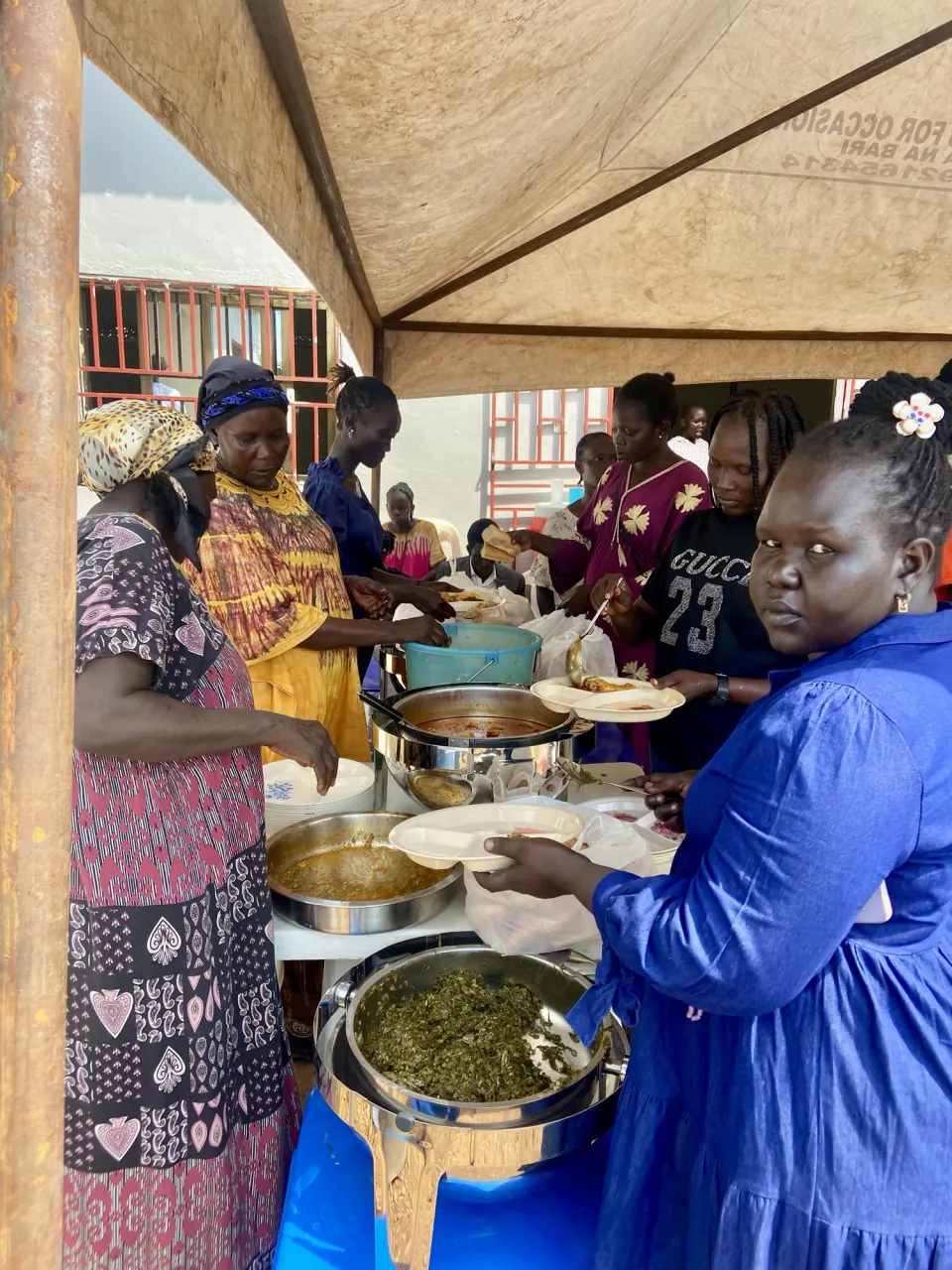
This teaching is free because people give.
Your gift sends medical missions, digs wells and feeds children through Chesed International.
Give to the ministryKeep reading
All teaching Faith
Christian NGO Volunteer Guide: How to Serve in Church Relief
Learn how to volunteer with a Christian NGO. Your guide to serving in church disaster relief and Christian missions near you.
 Faith
Christian Volunteer Jobs: Top Opportunities for Making an Impact
Find meaningful Christian Volunteer Jobs to serve your community, grow in faith, and make a lasting spiritual impact.
 Faith
How Church Community Service Strengthens Faith
Church community service strengthens faith and fellowship by turning belief into action — feeding the hungry, visiting the sick, and serving neighbors deepens spiritual growth, builds lasting relationships, and extends Christ's love beyond the church walls.