Christian NGO Volunteer Guide: How to Serve in Church Relief


Have you ever wondered how your faith could bring hope to broken communities in their darkest hours? A Christian NGO is more than an organization; it is a vessel God uses to turn compassion into action.
Across the world, over 90% of congregations already provide social services, yet the need for faithful volunteers in church disaster relief continues to rise. Studies reveal that nearly 80% of Christian volunteers experience deep transformation in their faith as they serve. The challenge is not whether the harvest is ready but whether believers will answer the call. If you have searched for Christian missions near me, you already sense this tug on your spirit.
In this blog post, we will explore why your service matters, how to take the first step, and how God can prepare you spiritually and practically for this journey of restoration and destiny.
Why Volunteer with a Christian NGO
A Christian NGO provides more than just aid. It is an extension of the church’s mission to bring compassion, hope, and practical support to the world. Unlike secular organizations, Christian NGOs often pair physical relief with spiritual care, offering prayer, counseling, and discipleship alongside food, shelter, and medical supplies.
Volunteering with a Christian NGO also means joining a global network of believers who respond to crises, support vulnerable communities, and expand the reach of the Gospel. For individuals searching for “Christian missions near me,” becoming part of a Christian NGO connects you with like-minded people and gives you direct opportunities to share your faith while meeting tangible needs.
Steps to Get Involved in Church Disaster Relief
Getting started with church disaster relief requires both initiative and preparation. Most Christian NGOs provide structured volunteer programs that help newcomers find their place and serve effectively. Here are practical steps you can take to move from desire to action.
- Research trusted organizations - Begin by identifying Christian NGOs that are well established and accountable. Look for groups that publish financial reports, share stories of impact, and have clear partnerships with local churches. This ensures that your time and effort will go toward a mission that is both credible and effective.
- Check volunteer requirements - Many disaster relief teams look for specific skills such as logistics, first aid, trauma counseling, or construction. However, not every role requires specialized training. Tasks like distributing food, setting up shelters, or providing spiritual encouragement are just as vital. Reviewing requirements ahead of time helps you find where your gifts and experiences fit best.
- Sign up for training or orientation - Disaster relief is physically and emotionally demanding. Reputable Christian NGOs will provide training in safety protocols, cultural awareness, and crisis response before sending volunteers into the field. These orientations not only protect those being served but also equip you to act with confidence in high-pressure situations.
- Be ready for deployment - Unlike planned mission trips, disaster relief often requires immediate action. Volunteers may receive notice within days or even hours of deployment. This means you need to maintain flexibility with your schedule, keep your travel documents updated, and prepare your heart to serve whenever the call comes.
These steps ensure that you walk into church disaster relief with wisdom and readiness, bringing hope instead of added strain to communities already facing hardship.
Spiritual Preparation and Practical Training for Volunteers
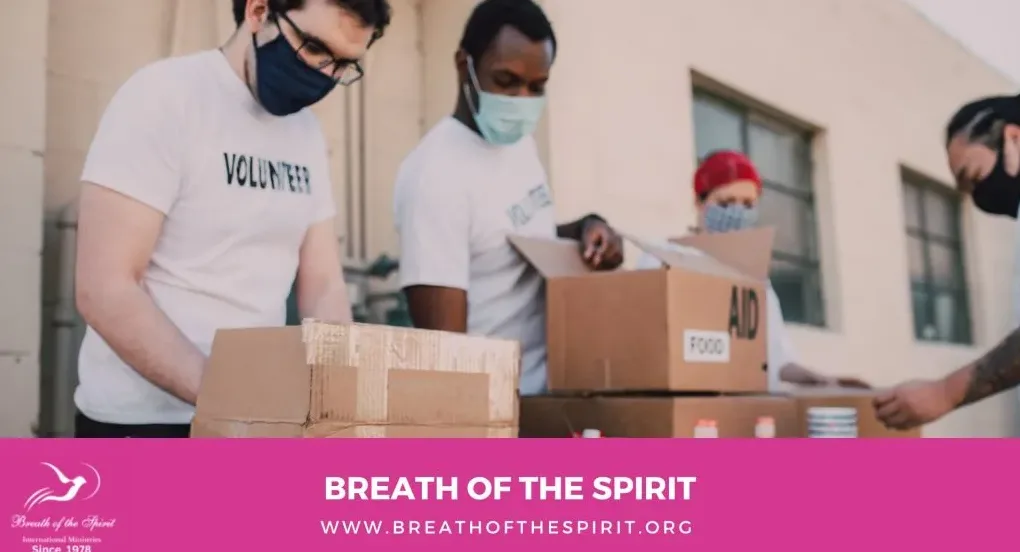
Serving with a Christian NGO goes beyond physical readiness. Volunteers must prepare their hearts and minds for the challenges ahead. Spiritual preparation begins with prayer and reflection. Volunteers should seek God’s guidance, asking for humility, resilience, and a servant’s heart. Scripture study and time in community worship also provide strength and perspective.
On the practical side, many organizations offer training in skills that ensure safe, compassionate, and effective service.
Emergency Response Skills
Disasters create environments where quick decisions can mean the difference between life and death. A Christian NGO often requires volunteers to undergo training in first aid, evacuation procedures, and basic trauma support. For example, knowing how to control bleeding, perform CPR, or stabilize someone until medical professionals arrive can save lives. Volunteers also learn how to provide immediate comfort through prayer and words of encouragement while meeting urgent needs. In church disaster relief, emotional care is just as vital as physical care. Those exploring Christian missions near me should prioritize programs offering structured emergency response training to ensure readiness.
Cultural Sensitivity for Working in Diverse Communities
Church disaster relief often brings volunteers into contact with communities whose traditions, languages, and customs are different from their own. Misunderstanding these cultural nuances can create barriers to ministry. This is why Christian NGOs invest in cultural sensitivity training. Volunteers learn how to listen carefully, respect local customs, and avoid behavior that could be seen as offensive. They are also taught the importance of working alongside local pastors and leaders who understand community needs best. Cultural sensitivity strengthens trust, making the Gospel more accessible. Even in Christian missions near me, cultural awareness is vital since many local areas reflect diverse backgrounds.
Team Collaboration for Operating Under Stressful Conditions
Church disaster relief requires teamwork, often under intense pressure. Volunteers may face long days, limited supplies, and emotionally heavy situations. Without proper collaboration, stress can lead to frustration and inefficiency. Christian NGOs address this through training in communication, conflict resolution, and servant leadership.
Volunteers practice scenarios where they must coordinate tasks, share resources, and follow instructions closely. This training ensures that everyone contributes to the mission in unity, reflecting the biblical truth that each member of the body has a purpose. For those considering Christian missions near me, collaboration is equally important, as effective service depends on strong partnerships.
Health and Safety Practices
Health and safety are foundational to effective service. Volunteers must remain strong to help others, which is why Christian NGOs emphasize personal well-being. Training often covers topics like safe food and water handling, personal hygiene, and infection prevention. Volunteers also learn to recognize exhaustion, dehydration, and signs of burnout, which can compromise both their service and the mission.
In high-risk areas, safety protocols include avoiding unstable structures, managing equipment properly, and following evacuation plans. These practices prevent accidents that could redirect resources from victims to rescuing volunteers. Even those pursuing Christian missions near me benefit from safety training, as risks exist in both local and global contexts. For further guidance on building strong support networks, consider how to find the right online Christian community.
Do’s and Don’ts for Effective Service
Not every good intention results in effective help. Volunteers who serve through a Christian NGO must keep certain principles in mind. The table below outlines practical do’s and don’ts that can guide your service in church disaster relief and Christian missions near me.
Do’s | Why It Matters | Don’ts | Why It Causes Harm |
Respect local cultures and traditions while sharing Christ’s love | Builds trust and ensures that the message of hope is received with openness and dignity. | Avoid making promises you cannot keep, especially to vulnerable communities | Broken promises damage credibility and discourage already struggling people. |
Follow the instructions of NGO leaders and local authorities | Ensures safety, order, and coordination during high-pressure relief efforts. | Don’t assume you know better than local leaders or residents | Undermines relationships and ignores the wisdom of those who understand the situation best. |
Maintain a posture of humility and willingness to learn | Demonstrates Christlike character and allows you to adapt quickly to challenges. | Avoid treating relief efforts as charity projects; focus instead on partnership and dignity | Creates division and makes communities feel dependent rather than empowered. |
Prioritize safety and well-being, both for yourself and those you serve | Keeps the mission effective by preventing accidents, burnout, and unnecessary risks. | Don’t neglect your own spiritual health. Burnout is real in mission and disaster work | Leads to exhaustion, resentment, and limits your ability to serve long term. |
When these do’s and don’ts are followed, volunteers honor God, protect relationships, and maximize their impact in both church disaster relief and Christian missions near me. Explore more opportunities to serve through medical mission jobs.
Frequently Asked Questions
What is a Christian NGO?
A Christian NGO is a non-governmental organization guided by biblical values and focused on serving communities through aid, missions, and relief programs. It combines practical service with spiritual care, often supporting church disaster relief and Christian missions near me.What are faith-based NGOs?
Faith-based NGOs are organizations motivated by religious principles to provide humanitarian aid, education, and community development. Christian NGOs fall under this category, with an added focus on sharing the gospel and partnering with local churches.What exactly is an NGO?
An NGO, or non-governmental organization, is a nonprofit group that operates independently of government control to address humanitarian, social, or environmental needs. When rooted in faith, it becomes a Christian NGO, blending service with spiritual mission.Final Thoughts on Christian NGO Volunteer Guide
Answering the call to serve through a Christian NGO is more than volunteering. It is stepping into God’s plan to bring light into places of darkness and healing into moments of devastation. Whether through church disaster relief or Christian missions near me, every act of service becomes a testimony of God’s love at work. The journey requires prayer, preparation, and obedience, but the reward is eternal, changed lives, restored hope, and strengthened faith.
Now is the time to act. Begin by lifting your service to God in prayer, and then take practical steps to join hands with others already on the frontlines. You can also partner with Breath of the Spirit by sending in your prayer requests, subscribing to our newsletter, or giving generously to support missions and relief. Together, we can become vessels of God’s mercy.
This teaching is free because people give.
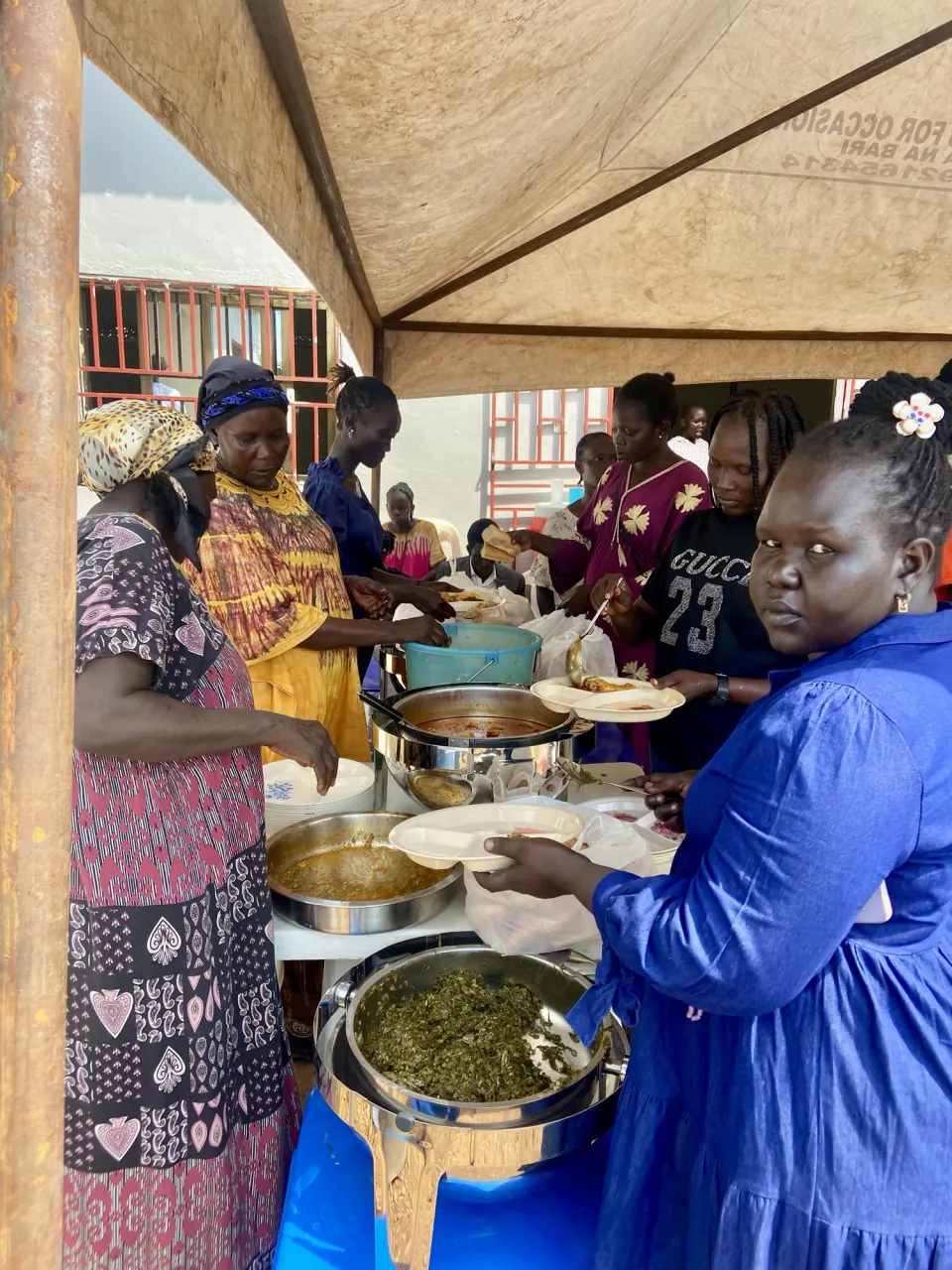
Your gift sends medical missions, digs wells and feeds children through Chesed International.
Give to the ministryKeep reading
All teaching Faith
Christian Foundations: What They Are and Why They Matter Today
Christian foundations are faith-based nonprofit organizations that manage donations, grants, and charitable initiatives according to Christian values — funding church disaster relief, poverty charities, and church charity programs through structured, accountable stewardship rather than one-time, symbolic giving.
 Faith
Christian Volunteer Jobs: Top Opportunities for Making an Impact
Find meaningful Christian Volunteer Jobs to serve your community, grow in faith, and make a lasting spiritual impact.
 Life
Mission Trips in America: What First Time Volunteers Must Expect
Prepare for your first mission trips in America with this guide on packing, daily schedules, and serving with humility.