
Mission Trips in America: What First Time Volunteers Must Expect


Have you ever felt drawn to serve but unsure what mission trips in America truly involve? Mission trips in America continue to grow as more people choose to support communities closer to home. Mission trips in America attract first time volunteers who want meaningful service without traveling overseas, yet many still feel unprepared for what lies ahead.
More than 32% of volunteers in the United States give their time through religious organizations, which shows how deeply service connects to faith and purpose. Even with that strong participation, confusion remains around expectations, preparation, and daily responsibilities. Many people struggle to define mission trip goals clearly or understand how mission trips in USA actually operate on the ground. Questions like how long are mission trips and what daily life looks like often go unanswered.
In this blog post, you will learn what first time volunteers should expect, how to prepare mentally and practically, and how to approach mission trips in America with clarity and confidence before you go.
Preparing Your Heart and Mind
Before you pack a single suitcase, the most critical preparation happens internally. Stepping out of your comfort zone requires a mindset of flexibility and humility. It is easy to enter a mission trip with preconceived notions of what you will achieve or how you will fix problems. However, the most effective volunteers go with a posture of learning rather than just doing.
Start by setting realistic expectations. You are likely going to encounter situations that challenge your worldview or emotional resilience. You might see poverty or hardship that is difficult to process. Preparing your heart means acknowledging that you might not solve every problem you encounter, and that is okay. The focus should be on building relationships and being present for the people you are serving.
Mental preparation also involves readying yourself for the unexpected. Schedules change, weather interferes, and plans fall through. Cultivating a spirit of patience now will serve you well when you are on the ground. Take time to reflect on your motivations for going. Are you seeking to learn? To serve? To grow? clarifying your "why" will keep you grounded when the work gets tough.
Practical Logistics and Packing
Once your mindset is ready, you need to tackle the tangible details. Logistics can vary significantly depending on the organization and location, but there are common threads for most domestic trips. One of the most frequent questions new volunteers ask is, how long are mission trips? Generally, short-term domestic trips range from one week to ten days, though some intense summer programs can last several weeks or even a month.
Understanding the duration helps you pack effectively. Unlike international travel, mission trips in USA locations often allow for easier access to supplies if you forget something, but arriving prepared is still professional and practical.
Essential Packing List for Domestic Missions:
- Work Clothes: Durable pants or modest shorts and t-shirts that you do not mind getting dirty or stained.
- Sturdy Footwear: Closed-toe shoes or work boots are often mandatory for construction or safety reasons.
- Bedding: Many domestic mission sites use schools or churches as base camps, so a sleeping bag and air mattress are often necessary.
- Personal Toiletries: Bring a shower caddy, flip-flops for communal showers, and quick-dry towels.
- Journal and Bible: Essential for processing your daily experiences and spiritual reflection.
- Water Bottle: Hydration is key, especially if you are working outdoors in the summer heat.
Double-check with your team leader regarding specific tools or dress codes required for your specific site. Being logistically prepared removes unnecessary stress, allowing you to focus entirely on the mission at hand.
Daily Life on the Field
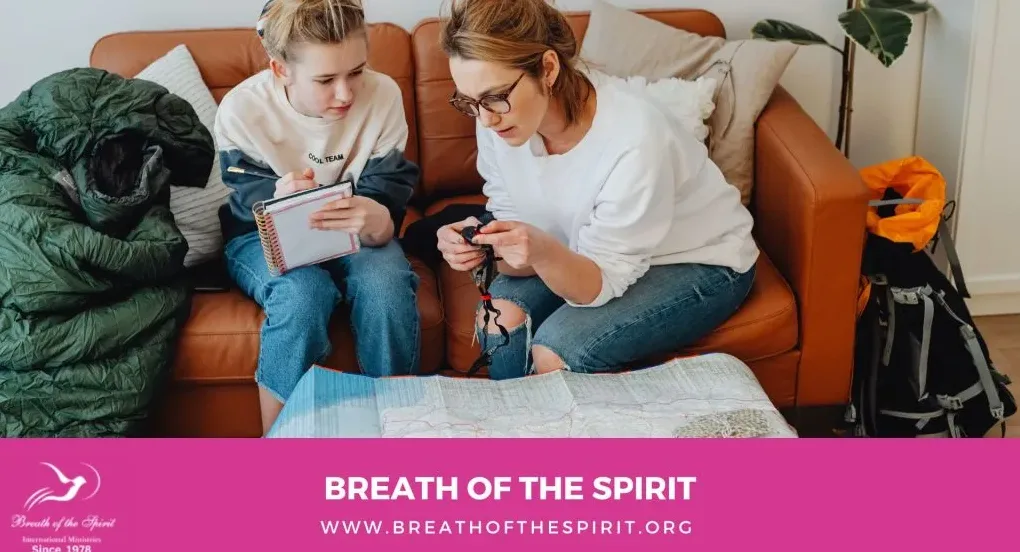
The daily rhythm of a mission trip is often rigorous and structured. While every trip is unique, you should expect early mornings and full days. The itinerary is designed to maximize your time serving the community and bonding with your team.
A typical day might start with a group breakfast followed by a morning devotion or briefing. This time sets the tone for the day, ensuring everyone is aligned on the goals and safety protocols. From there, you will head to your work site. This could involve physical labor like painting and repair work, or relational ministry such as organizing games for children or visiting the elderly.
Lunch is usually a quick break on-site, providing a moment to rest and connect with local residents or your team members. The afternoons often continue the work started in the morning. It is important to pace yourself; the work can be physically demanding.
Evenings are generally reserved for debriefing. This is a crucial component of the experience where the group gathers to share stories, discuss challenges, and process the day's events. These sessions help solidify the lessons learned and foster deep community among volunteers. Expect to fall into bed tired but fulfilled, ready to do it all again the next day.
Navigating Cultural and Team Dynamics
Even though you are staying within the country, mission trips in USA regions can expose you to vastly different subcultures. The United States is a melting pot, and serving in a rural Appalachian town is distinct from serving in inner-city Chicago or a Native American reservation.
Cultural humility is essential. You are a guest in someone else's community. Listen more than you speak. Avoid using jargon or making assumptions about the lifestyle of the locals. Respect their traditions, pace of life, and way of doing things. The most impactful service happens when mutual respect is established.
Team dynamics are equally important. You will be living, eating, and working in close quarters with your team members. Fatigue can lead to friction, so it is vital to maintain a positive attitude and resolve conflicts quickly and gracefully. Simple acts like volunteering to do the dishes or encouraging someone who is struggling can make a big difference. A unified team becomes a powerful tool for service, while a divided team can distract from the mission.
Choosing the right team and understanding how to work together effectively can also enhance the overall experience. For guidance on selecting the best opportunities for your group, especially for family missions, check out how to choose the right destination for family mission trips.
Sustaining the Impact After You Return
The "mission trip high" is a common phenomenon where volunteers return home feeling energized and passionate, only to have that fire fade within a few weeks. The true challenge of mission trips in America often begins when you pull back into your own driveway.
Sustaining the impact requires intentionality. Don't let your experience become just a memory; let it change how you live your daily life. If you served in a food pantry, look for local food banks in your hometown that need help. If you connected with youth, consider mentoring programs in your area. The needs you witnessed on your trip likely exist in your own community as well.
Share your story with care and humility. Avoid placing yourself at the center of the narrative. Instead, highlight the people you met, the relationships that shaped your experience, and the work God continues to do in that community. This approach honors dignity and keeps the focus on transformation rather than personal achievement.
Your commitment should also continue long after the trip ends. Support the organization you served with through prayer, financial giving, or by staying connected with the long term missionaries who remain on the ground. Many volunteers find that deepening their prayer life helps sustain that connection, and learning more about habits that matter when seeking God in prayer can support spiritual growth that extends well beyond the mission field.
Frequently Asked Questions About Mission Trips in America
Where are most mission trips?
Most mission trips take place in areas with ongoing community needs, including urban neighborhoods, rural towns, and regions recovering from natural disasters. In mission trips in America, common locations include inner cities, Native American reservations, coastal areas affected by hurricanes, and underserved rural communities. Mission trips in USA often focus on long term partnerships rather than one time projects, which allows volunteers to serve where consistent support matters most.Can you get paid to go on mission trips?
Most mission trips in America do not offer payment. These trips center on service, not employment. Some long term missionary roles or faith based service programs may provide stipends or living support, but short term mission trips usually rely on volunteers who raise funds or cover their own expenses.Are missionary trips free?
Missionary trips are rarely free. While some organizations subsidize housing, meals, or transportation, volunteers often help cover costs. Fundraising and church sponsorships commonly support mission trips in USA.Final Thoughts on Mission Trips in America: What First Time Volunteers Should Expect
Mission trips in America give you a chance to serve, grow, and see God at work in communities right here at home. For first time volunteers, preparing your heart, understanding the daily rhythm, and working well with your team are just as important as the projects you complete. Every part of the experience, from the challenges on the field to the lessons you carry home, shapes both you and the people you serve.
Once your trip is over, your mission doesn’t have to end. You can continue supporting the work through prayer, staying connected with missionaries, or contributing in practical ways. Send in your prayer requests, join our newsletter, or make a donation to help continue God’s work in communities across the nation. Every action helps His mission grow.
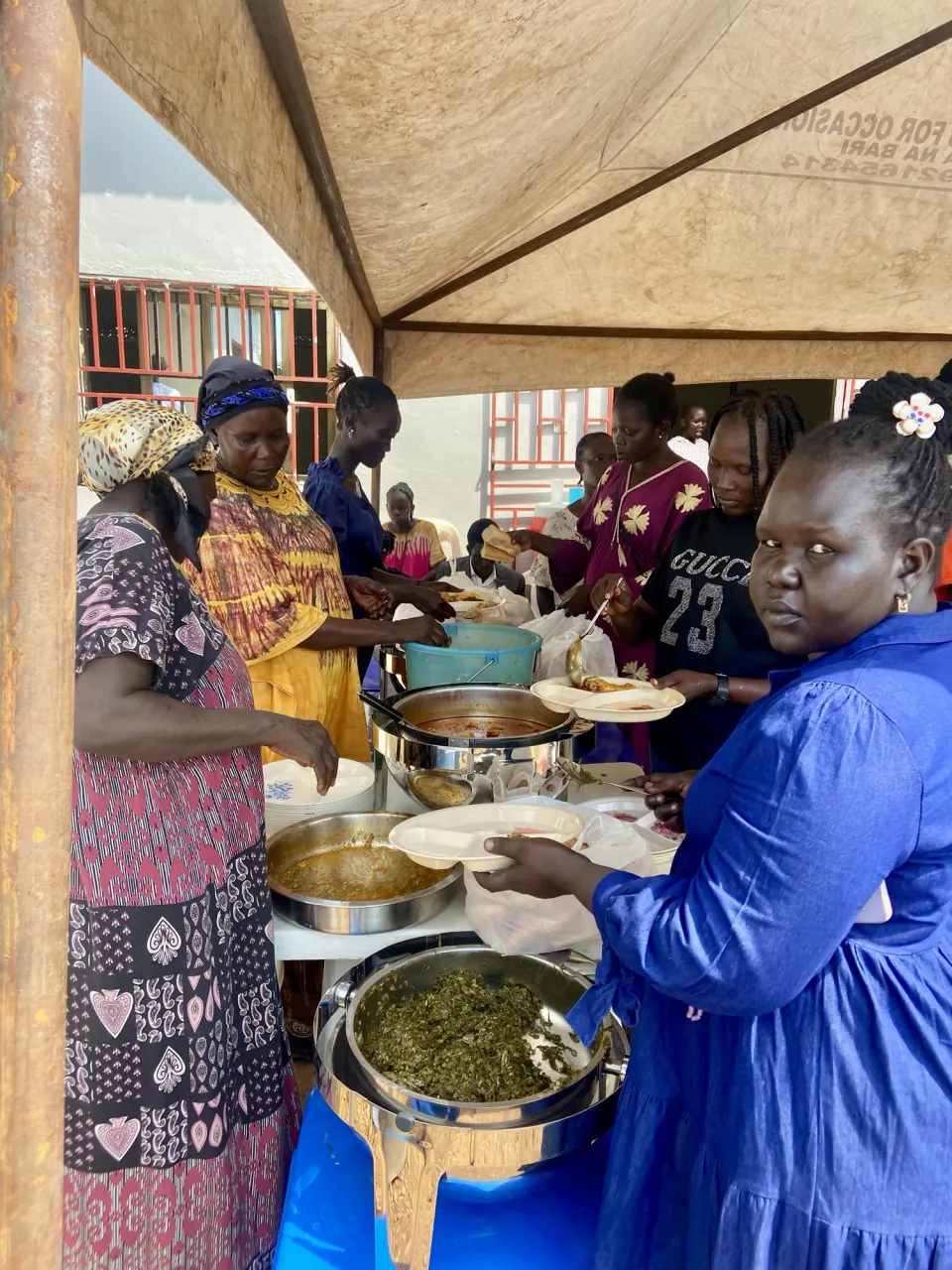
This teaching is free because people give.
Your gift sends medical missions, digs wells and feeds children through Chesed International.
Give to the ministryKeep reading
All teaching Faith
Mission Trips for College Students: What to Expect as a First Timer
Prepare for your first mission trips for college students. Learn about service, daily routines, and spiritual growth.
 Faith
Christian NGO Volunteer Guide: How to Serve in Church Relief
Learn how to volunteer with a Christian NGO. Your guide to serving in church disaster relief and Christian missions near you.
 Faith
Family Mission Trips: How to Choose the Right Destination
Choosing family mission trips? Learn to select the right destination by matching goals & abilities with community needs & safety.