
Holy Spirit for Kids: A Guide for School Teachers and Parents


Children understand the Holy Spirit best through what He does rather than what He is: He comforts, He helps, He teaches, and He is God with us always. Start with breath and wind — the Bible’s own pictures — before reaching for doctrine.
How do you explain the invisible presence of the Holy Spirit to a child who’s only six years old? For many parents and Sunday school teachers, teaching the Holy Spirit for kids can feel like one of the most challenging parts of faith formation. Yet it’s crucial—children are more spiritually aware than we often realize.
In fact, a 2025 Pew Research Center survey revealed that 40% of parents regularly pray or read Scripture with their kids. Another study found that teen church attendance closely mirrors that of their parents, showing the lasting influence of early faith habits.
Still, the concept of the Holy Spirit often remains vague in children’s minds. This blog post offers practical guidance, from Holy Spirit lessons for kids to simple, Spirit-filled activities you can do at home. Whether you’re in the classroom or the living room, this guide will help you make the Holy Spirit real, relatable, and relevant to young hearts.
Why It’s Important to Teach Kids About the Holy Spirit
Many kids learn about God the Father and Jesus through Bible stories like creation, Noah’s ark, or Jesus feeding the 5,000. But the Holy Spirit often gets overlooked—even though He’s part of the same Trinity. When kids don’t learn about the Spirit early, they can grow up thinking He’s mysterious or only shows up in big moments. The truth is, the Holy Spirit is active in their daily lives from the moment they put their trust in Jesus.
The best time to introduce the Holy Spirit is between the ages of 6 and 8. Around this time, kids begin asking deeper questions—like how God speaks, or how they can know what’s right and wrong. They’re also developing empathy and a sense of identity, which makes this the perfect stage to talk about how the Spirit helps, comforts, and guides.
Here’s what makes early Holy Spirit teaching so important:
- Kids face big emotions at school, at home, and with friends—learning the Holy Spirit is their comforter gives them peace.
- They’re beginning to understand right from wrong—the Spirit’s role as a guide becomes meaningful.
- They want to feel God is close—not just in heaven but living in their heart.
- They are wired to imitate—learning about the Spirit’s fruits (like patience and kindness) gives them a model for behavior.
- They hear about power and superheroes—understanding that the Spirit empowers them to do good things makes faith exciting.
Teaching children that the Holy Spirit is a real and personal presence—not just an abstract concept—helps build their confidence in God's closeness. When introduced in a way that makes sense to them, kids can begin to understand that the Spirit is always with them: guiding their prayers, giving them courage, and gently shaping their hearts to reflect the love and character of Jesus.
Teaching the Holy Spirit in Sunday School
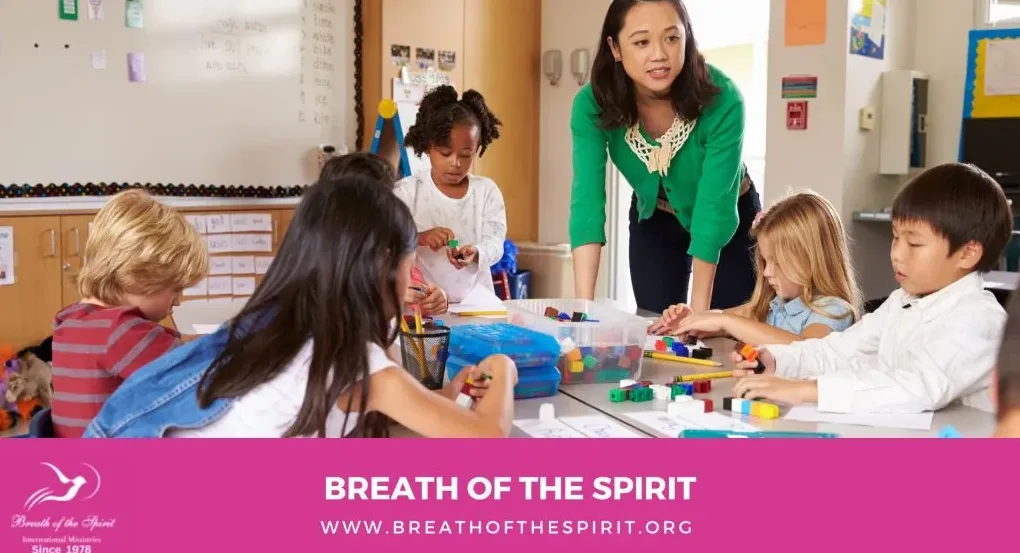
Creating an engaging Holy Spirit lesson for kids means going beyond telling them what to believe—it’s about helping them experience truth through stories, visuals, and hands-on activities. Abstract spiritual concepts like the Holy Spirit become much more understandable when they’re connected to what kids can see, feel, or do.
Below are specific ideas Sunday school teachers can use to help children understand and connect with the Holy Spirit in age-appropriate and memorable ways.
Object Lessons: Show the Spirit Like Wind or Breath
Use simple, everyday items to illustrate invisible power. Turn on a small fan and let the children feel the breeze. Ask, “Can you see the wind?” Then explain, “That’s how the Holy Spirit works—we can’t see Him, but we can see what He does.” Another option: blow bubbles and point out how the breath moves them gently—like how the Spirit moves in our lives. Tie this to John 3:8, which compares the Spirit to the wind.
Storytime with Application: The Pentecost in Acts 2
Read the story of Pentecost from Acts 2 using child-friendly language or a children’s Bible. Help them imagine the scene: the loud wind, tongues of fire, and people speaking in new languages. Ask open-ended questions like, “What would you do if you were there?” or “How do you think the disciples felt when the Holy Spirit filled them?” Follow it up with a short activity—drawing their own Pentecost scene or acting it out in small groups.
Holy Spirit Activities for Kids: Gifts in Action
Create themed stations that highlight the gifts and fruit of the Spirit. Use Galatians 5:22–23 to explain each one in simple terms. Then offer a mini activity:
- Love: Make a card for someone who’s sick or lonely.
- Joy: Draw a picture of something that makes them happy.
- Peace: Practice a quiet minute of stillness or deep breathing.
- Patience: Try stacking blocks slowly and carefully.
- Self-control: Balance a book on their head while walking quietly.
This not only reinforces the Scripture but also lets kids physically connect with spiritual traits.
Craft Projects: Make the Invisible Visible
Get creative with crafts that symbolize the Spirit’s presence. Kids can make flame headbands from red, yellow, and orange construction paper to represent the tongues of fire in Acts 2. Or guide them in folding a dove out of paper as a symbol of peace and the Spirit’s presence (based on Luke 3:22). These take-home crafts serve as visual reminders of what they’ve learned and give parents a way to continue the conversation.
Prayer Circles: Listening to the Spirit
End your lesson by forming a quiet circle and teaching the kids how to be still and listen. Ask them to close their eyes, breathe slowly, and whisper a prayer like, “Holy Spirit, I’m listening.” After a moment of silence, let them share if they felt peaceful, had a thought, or remembered someone to pray for. This teaches that the Spirit speaks gently and personally, even to children.
Whether you're teaching preschoolers or older primary school students, each activity should help them experience the Holy Spirit as a helper and friend—not a distant or spooky presence. With consistent teaching and meaningful moments, kids can understand that the Spirit lives with them, guides them, and loves them daily.
For deeper insight, explore this encounter with God how to seek and recognize His voice.
At-Home Lessons: How Parents Can Continue the Conversation

Sunday school introduces the concept, but it’s the everyday moments at home that help children truly understand the Holy Spirit for kids. Parents and guardians are uniquely positioned to make the Spirit feel real and accessible—not just a church topic but part of daily life. With just a few intentional habits, parents can reinforce who the Holy Spirit is, how He works in our lives, and why He matters
Here are some simple yet meaningful ways to continue teaching kids about the holy spirit at home:
Daily Devotionals: Build Routine Around God’s Word
Choose a kid-friendly devotional book that includes short lessons and Scripture passages about the Holy Spirit. Set aside time in the morning or evening to read it together. Use moments like breakfast or bedtime to build a peaceful, faith-filled rhythm.
Holy Spirit Conversations: Connect Faith to Daily Actions
Ask your child open-ended questions that invite them to think spiritually:
- “Do you think the Holy Spirit helped you share today?”
- “How did you feel when you prayed—did you sense peace or joy?”
These questions help children learn to recognize the Spirit’s work in their lives.
Scripture Memory: Anchor Truth with Repetition
Introduce verses like:
- Romans 8:14 – “For those who are led by the Spirit of God are the children of God.”
- John 14:26 – “The Holy Spirit will teach you all things.”
- 1 Corinthians 3:16 – “God’s Spirit dwells in you.”
Repetition through songs, call-and-response games, or flashcards helps embed these truths into their hearts.
Real-Life Applications: Turn Struggles into Teaching Moments
When your child feels nervous, upset, or tempted, pause and say, “Let’s ask the Holy Spirit to help.” Whether it’s asking for courage before a test or patience with a sibling, these moments ground your child’s understanding of the Spirit’s role in real life.
Worship and Music: Use Songs That Teach and Inspire
Play music that focuses on the gifts of the Holy Spirit or His comforting presence. Kids absorb spiritual truths quickly through lyrics. Look for worship playlists with songs about love, peace, and joy—the fruit of the Spirit from Galatians 5:22–23.
Teaching kids about the Holy Spirit can be simple and natural. Through everyday conversations and small moments of faith, children begin to see that the Spirit is not far away but always present—guiding, comforting, and helping them grow. For more ideas, check out this how to explain the Holy Spirit to a child quick guide for parents.
Frequently Asked Questions About the Holy Spirit for Kids
How do you explain the Holy Spirit to kids?
Start with something familiar. You can say, “The Holy Spirit is like the wind—you can’t see Him, but you can feel Him helping you do what’s right.” Use examples from their life, like when they felt brave, kind, or peaceful. Explain that the Holy Spirit is God's presence living inside us, guiding us, and helping us love like Jesus.What is the Holy Spirit in simple terms?
The Holy Spirit is God living in our hearts. He helps us make good choices, comforts us when we’re sad, and teaches us how to live like Jesus. He’s a real friend who’s always with us, even when no one else is around.What are the 7 facts of the Holy Spirit?
The Holy Spirit is God who lives in every believer, helping us pray, understand the Bible, and make good choices. He brings comfort, gives spiritual gifts, and helps us become more like Jesus. These simple truths help kids understand the Holy Spirit’s role in their everyday lives.Final Thoughts on the Holy Spirit for Kids
Helping kids understand the Holy Spirit is a beautiful way to grow their faith. Through simple object lessons, Pentecost stories, hands-on crafts, and daily conversations, you can show children that the Spirit is their ever-present helper, guiding and comforting them. These moments build a foundation for a lifelong relationship with God. Start today—use a fan to show the Spirit’s invisible power or pray together at bedtime. Your efforts will make faith real for young hearts.
Want to keep this going? Share your prayer requests with your church community or consider donating to support children’s ministry resources. Visit your church’s website to connect and get involved.
Let’s work together to spark curiosity and faith in the next generation!
Common questions
How do you explain the Holy Spirit to kids?
Start with something familiar, like wind: "The Holy Spirit is like the wind — you can't see Him, but you can feel Him helping you do what's right." Connect it to their own experience of feeling brave, kind, or peaceful, and explain He lives in their heart.
What is the best age to teach kids about the Holy Spirit?
The ideal age is between 6 and 8, when kids begin asking deeper questions about how God speaks and how to know right from wrong. This is also when they're developing empathy and identity, making the Spirit's role as guide and comforter especially meaningful.
What is the Holy Spirit in simple terms for kids?
The Holy Spirit is God living in our hearts. He helps us make good choices, comforts us when we're sad, and teaches us to live like Jesus — a real friend who's always with us, even when no one else is around.
What activities teach kids about the Holy Spirit?
Effective activities include object lessons (like feeling wind from a fan to illustrate John 3:8), retelling Pentecost from Acts 2, craft projects like paper doves or flame headbands, and gift-of-the-Spirit stations based on Galatians 5:22-23.
How can parents reinforce Holy Spirit lessons at home?
Parents can use daily devotionals, ask open-ended questions like "How did you feel when you prayed?", memorize verses like Romans 8:14 and John 14:26, turn everyday struggles into teaching moments, and play worship music about the Spirit's fruit.

This teaching is free because people give.
Your gift sends medical missions, digs wells and feeds children through Chesed International.
Give to the ministryKeep reading
All teaching Faith
How to Explain the Holy Spirit to a Child: A Quick Guide
Explain the Holy Spirit to a child using something they know, like the wind — unseen but felt — then tell them He is God's Helper who guides, comforts, and gives courage to do what's right, just as He did for the disciples at Pentecost.
 God
What Does the Bible Say About Wildfires?
The Bible does not call wildfires a curse; it presents fire as part of God's created order that can also signal His presence, judgment, or refining work. Wildfires can be read as natural consequences and as a call to humility, stewardship, and trust in God.
 Faith
What does the Bible say about Empowerment?
The Bible teaches that true empowerment comes from an intimate relationship with God — it's the Holy Spirit filling and equipping believers with power, gifts, and boldness, as in Acts 1:8: "You will receive power when the Holy Spirit comes on you."