
What Does the Bible Say About Wildfires?

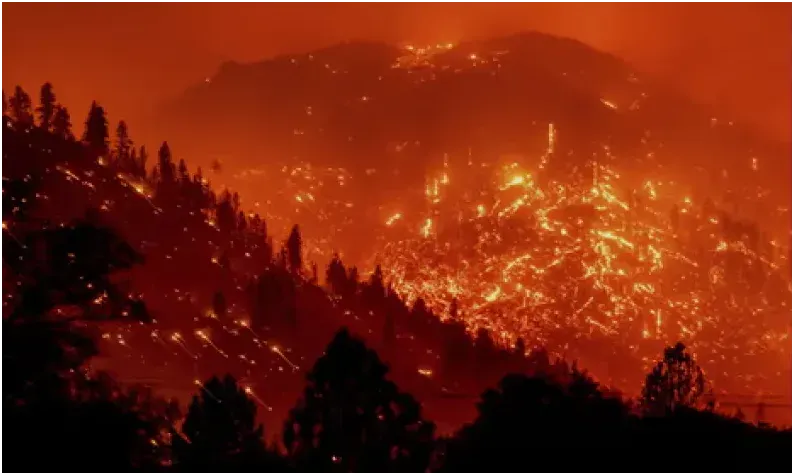
The Bible does not call wildfires a curse; it presents fire as part of God's created order that can also signal His presence, judgment, or refining work. Wildfires can be read as natural consequences and as a call to humility, stewardship, and trust in God.
Are wildfires a curse from God?
Wildfires are typically ignited by a combination of factors, including dry conditions, high temperatures, and the presence of combustible materials like vegetation. These conditions can lead to fires that spread rapidly, causing widespread destruction. So, are wildfires caused by natural forces, or is there something beyond them that is causing devastation? To answer this question, let us understand what the Bible has to say about all this.What does the Bible say about wildfires?
The Bible contains numerous references to natural disasters, including fires, floods, and earthquakes. While these events are often portrayed as acts of God's judgment, they are also seen as part of the natural order of the world. Let's explore these perspectives.-
Fire as a tool of divine presence
-
Fire as divine judgement
-
Fire as refinement and transformation
-
Fire as the Holy Spirit
Theological perspectives on wildfires
Theological viewpoints provide insights into whether wildfires are perceived as curses from God, natural consequences, or opportunities for spiritual reflection and growth. It encourages us to find meaning, purpose, and spiritual lessons in the face of adversity and to take action to protect and preserve the Earth as a sacred gift from the Divine.Natural consequences vs. divine intervention
One way of looking at wildfires is that they're part of the natural order of the world. God created the world with laws and processes that cause wildfires, so they don't have to be seen as a curse from God. Instead, they should be seen as part of God's natural order. This means that people can help prevent wildfires by being good stewards of the environment and managing their land responsibly. It's important for believers to understand and respect the natural world because it's God's creation.God’s warning and correction
From another theological point of view, wildfires can be seen as divine providence. In the same way that the Bible portrays God's use of flooding, plague, and other disasters to instruct or chastise humanity, wildfires may be seen as an opportunity to draw attention to one's own behavior and to motivate change. From this perspective, wildfires may serve as a reminder of the effects of human decisions, including deforestation, urbanization, and the effects of climate change. This can lead to individuals and communities reflecting on their relationships with the natural world and their responsibility to act in a stewardship capacity for God's creation.Finding meaning and purpose
When life throws us a curveball, many turn to their faith for comfort and direction. While wildfires can be devastating, they can also bring communities closer together, encourage acts of compassion and kindness, and help us reconnect with our spirituality. These challenges can serve as opportunities for spiritual growth and development. Many believers find a sense of purpose in helping those impacted by wildfires, whether it’s through volunteer work, monetary donations, or emotional support. The act of coming together during a time of crisis can be seen as a response to God’s call for compassion and unity among His people.What should we learn from calamities?
As we grapple with the devastation caused by wildfires and other natural disasters, it is essential to reflect on the lessons we can learn from these events.Humility and dependence on God
Calamities like wildfires remind us of our vulnerability and the need to rely on God for strength and protection. They humble us and encourage us to acknowledge our dependence on a higher power.Compassion and solidarity
Natural disasters often bring communities together as people reach out to help one another in times of need. This spirit of compassion and solidarity is a powerful lesson we can learn from calamities.Stewardship of the environment
From a Christian perspective, the Bible’s message of stewardship is clear. The Bible tells us to “take care of God’s creation” and “keep it from being destroyed.” The destruction caused by wildfires is a stark reminder that we must take action to prevent them. Responsible land management, effective fire prevention, and the fight against climate change are just a few of the ways we can do this. Make it your mission to protect the environment for generations to come and balance the natural world.What does the Bible teach about human responsibility toward nature?
The Bible provides guidance on how humans should interact with the natural world. The devastation caused by wildfires serves as a reminder of our responsibility to care for the planet and protect it from harm.Creation care
In Genesis 2:15, God entrusts humanity with the task of caring for His creation. This divine mandate underscores our responsibility to protect the environment and prevent the kind of conditions that can lead to wildfires.Avoiding greed and exploitation
The Bible warns against greed and exploitation, which can contribute to environmental degradation. When we exploit natural resources recklessly, we increase the risk of disasters like wildfires.Seek wisdom and understanding
Proverbs 4:7 advises us to seek wisdom and understanding in all our pursuits, including our relationship with the environment. This implies that responsible stewardship requires knowledge and thoughtful action.Conclusion
From the above details, what we believe is that the question of whether wildfires are a curse from God is a multifaceted issue. While the Bible contains references to natural disasters as acts of divine judgment, it also presents the idea that God's creation operates according to natural laws. Therefore, wildfires can be viewed as both natural consequences and opportunities for spiritual reflection and growth. It's up to us how we respond to fires and other disasters. Whether we take action to protect the environment or find comfort in our beliefs, we can use tragedy as an opportunity to make sense of it and work for a stronger, more sustainable future. As the younger generation navigates through the complex challenges of nature and life, the Bible’s perspectives provide valuable insights into the deeper meanings and lessons. If you want to connect with the Holy Spirit and serve God, join us at Breath Of The Spirit International Ministries, led by the founder and charismatic leader, Dr. Michelle Corral. Her sermons have the power to shape your perspective, build your faith, and help you see the bigger picture of God's purpose. Join us at the Breath of the Spirit and learn how your connection to God and the Holy Spirit can help you work for a better, more sustainable future.Common questions
Are wildfires a curse from God?
The Bible doesn't present wildfires as a simple curse. Fire appears in Scripture as judgment (Sodom and Gomorrah, Genesis 19), as God's presence (the burning bush, Exodus 3), and as refinement (Malachi 3:2-3) - so wildfires can be read as both natural consequence and spiritual reminder.
What does the Bible say about fire as judgment?
The Bible associates fire with divine judgment against sin, most vividly in Genesis 19:24-25, where God rained fire on Sodom and Gomorrah. This theme suggests wildfires can be viewed through the lens of judgment, especially where communities have strayed from God's ways.
What does the Bible teach about human responsibility for the environment?
Genesis 2:15 entrusts humanity with caring for God's creation. The Bible warns against greed and exploitation that damage the land, and calls believers to responsible stewardship, wisdom, and land management that can help prevent disasters like wildfires.
What can Christians learn from wildfires and natural disasters?
Wildfires can teach humility and dependence on God, compassion and solidarity as communities help one another, and a renewed commitment to stewardship of the environment God entrusted to humanity.

This teaching is free because people give.
Your gift sends medical missions, digs wells and feeds children through Chesed International.
Give to the ministryKeep reading
All teaching God
Anointed Meaning: How God Chooses and Sets People Apart
Anointed means chosen and empowered by God for a specific purpose. In Scripture that meant being marked with oil as a prophet, priest, or king; today believers are anointed by the Holy Spirit for ministry and godly living.
 Faith
How to Explain the Holy Spirit to a Child: A Quick Guide
Explain the Holy Spirit to a child using something they know, like the wind — unseen but felt — then tell them He is God's Helper who guides, comforts, and gives courage to do what's right, just as He did for the disciples at Pentecost.
 Faith
Discerning of Spirits vs. Human Intuition
Discerning of spirits is a Holy Spirit gift (1 Corinthians 12:10) that reveals whether a spiritual influence is divine, demonic, or human; human intuition is a natural, cognitive-emotional hunch built from experience, useful daily but carrying no spiritual authority.