
Anointed Meaning: How God Chooses and Sets People Apart


Anointed means chosen and empowered by God for a specific purpose. In Scripture that meant being marked with oil as a prophet, priest, or king; today believers are anointed by the Holy Spirit for ministry and godly living.
Here's a surprising fact: churchgoers are not only more likely to give to charity—they give 42% more than non-churchgoers. This generosity often stems from a sense of spiritual responsibility, rooted in the belief that God chooses and empowers people for a purpose.
So why does this matter? Because if you’re unsure about your own spiritual calling, you might be missing out on the life God is equipping you to live.
In this blog post, we’ll unpack what “anointed” means in the Bible, explore the anointment meaning in your life, and clarify what does anoint mean for your calling today
What Does “Anointed” Mean in Scripture?
To understand the anointed meaning, we must first go back to its biblical roots. In the Old Testament, to anoint someone was to pour or smear oil on them as a physical sign of God’s selection and empowerment. This anointment meaning signified that the person was chosen by God for a specific role—whether prophet, priest, or king.
One of the earliest examples is in 1 Samuel 16, where the prophet Samuel anoints David as king of Israel. The act wasn’t symbolic alone; the Holy Spirit came upon David powerfully from that day forward. In this sense, what does anoint mean? It’s both a physical and spiritual designation of divine favor and responsibility.
In the New Testament, the meaning expands. Jesus is referred to as "the Anointed One" (the Greek word Christos literally means “anointed”). Through Him, the idea of anointing moves from ritual practice to spiritual truth. Believers are now seen as anointed through the Holy Spirit (1 John 2:20, 27), empowered for ministry, service, and holy living.
How to Recognize the Anointing in Your Own Life

You may wonder: Am I anointed? It’s a fair and often quietly asked question. The anointed meaning isn’t always announced with a divine encounter or dramatic moment. In fact, most of the time, it unfolds quietly through alignment, obedience, and a growing sense that you’re walking in something far beyond your own strength. Understanding how to identify the anointment meaning in your personal journey requires paying attention to specific markers that reveal God’s hand at work.
Let’s take a deeper look at how you can discern whether the anointing of God is operating in your life:
Spiritual Clarity and Calling
A strong sign of God’s anointing is spiritual clarity. This isn’t just inspiration—it’s a deep, unwavering awareness that you’re meant to serve in a particular area. Whether you feel called to teach, serve the vulnerable, intercede in prayer, or lead a movement, that burden doesn’t come from human ambition. It’s a divine download.
If you regularly sense conviction around a specific need or role, it's likely tied to your anointing. The question "what does anoint mean" becomes personal here—it means God has marked you to carry out His will in that area.
God’s Favor and Open Doors
Favor is not about luck or charisma; it’s about supernatural alignment. Anointed individuals often find that doors open without manipulation. God’s favor positions you in rooms where your influence matters most.
You might receive job offers you didn’t apply for, be asked to speak where you didn’t volunteer, or find resources suddenly available to support your calling. These aren’t coincidences—they’re indicators of the anointment meaning playing out in your life: divine empowerment for divine assignments.
Fruit of the Spirit
The Holy Spirit doesn’t just anoint for function—He anoints for character. If you’re consistently growing in love, joy, peace, patience, kindness, goodness, faithfulness, gentleness, and self-control (Galatians 5:22–23), it’s not just personal development. It’s evidence that God’s Spirit is resting on you.
The anointed meaning involves transformation from the inside out. You begin to look less like the world and more like Christ, which is essential for carrying His anointing well.
Impact on Others
Anointing always produces impact. When you speak, people listen. When you pray, people are comforted. When you serve, people feel seen. What’s notable is that the results often far exceed your natural skill or preparation. That’s because the power isn’t in you—it flows through you. Others may confirm your calling before you even understand it yourself. This is one of the clearest signs of what it means to be anointed: God uses you to reach others in ways you can’t take credit for.
Inner Confirmation
Lastly, the most intimate evidence is internal. The Holy Spirit bears witness in your heart. There’s peace when you’re walking in alignment, and restlessness when you’re not. Sometimes the confirmation comes through prophetic words, other times through dreams or Scripture that speaks directly to your situation. But often, it’s just a quiet certainty that you’re where you’re supposed to be. That’s the whisper of divine appointment—an inward echo of the anointed meaning taking shape in real time.
You don’t need a pulpit or a platform to be anointed. The anointment meaning reaches far beyond church titles or ministry roles. You might be called to raise godly children, steward a business with integrity, care for the elderly, or mentor the next generation. The anointing is not about visibility—it’s about assignment. Recognizing it requires more than feelings; it demands observation, surrender, and a willingness to walk in obedience—even when it costs you something. If you're seeking clarity on how God leads and responds as you walk in that calling, you may also find insight in how God answers our prayers, yes, no, or wait.
The Purpose Behind God’s Anointing

God doesn’t anoint people randomly or for personal fame. The anointed meaning in Scripture always involves a calling to serve, not to be seen. Whether you’re a pastor, parent, teacher, or business owner, if you’ve been anointed, it’s because God intends to accomplish something through you that only He can.
Let’s break down what that looks like in real life:
To Break Yokes and Set Captives Free
Isaiah 61:1 says God anoints people to bring good news to the poor and healing to the broken. This isn’t just about preaching from a pulpit—it could mean starting a recovery group for addicts in your neighborhood or mentoring someone coming out of abuse. If you find yourself drawn to people who are hurting, and they open up to you in unexpected ways, that could be part of your anointing to set captives free—even if you're not in "ministry" formally.
To Equip for Service
When you’re anointed for a task, you’ll often find yourself succeeding in areas where you were once insecure or underqualified. Maybe you never saw yourself as a leader, but people naturally look to you for direction during tough times at work or in your community. Or perhaps you're a quiet person, yet when you pray, people feel peace or clarity. That’s not talent—it’s anointing. The anointment meaning here is God enabling you to serve with power beyond your normal limits.
To Reveal God’s Glory
Anointing always points back to God, not to the person. Imagine a single mom raising three kids, working two jobs, and still finding time to volunteer at church. People might wonder how she does it all—and her answer is, “Only by God’s grace.” Or a musician who uses their gifts not to chase fame, but to write worship songs that help others encounter God. That’s what it looks like when the anointed meaning becomes visible through everyday excellence that brings glory to God.
To Advance the Kingdom of God
Anointed people don’t sit on the sidelines. They find themselves drawn into work that lifts others, often at personal cost. Think of a Christian teacher in a secular school who prays silently for their students and gently models Christ’s love in the classroom. Or a business owner who hires and mentors former inmates, helping them rebuild their lives.
The anointment meaning here involves advancing God’s kingdom—not with fanfare, but through quiet obedience and impact that lasts.
In the end, being anointed doesn’t mean you’ll always feel spiritual or qualified. It means you’ve been chosen for a purpose bigger than yourself. And that purpose—whether it’s raising a family, helping the broken, or serving your city—is what turns your ordinary into God’s extraordinary. If you’re looking for ways to stay spiritually focused in the middle of everyday distractions, you may also find encouragement in how to fast as a Christian in a modern distracted world.
FAQs About the Anointed Meaning
What does it mean to be an anointed person?
To be an anointed person means that God has chosen and empowered you for a specific purpose. It’s not just about having a church title or platform—an anointed person could be a teacher, parent, artist, or leader whose life carries spiritual weight. You’ll often see spiritual fruit, unexpected open doors, and a sense of divine assignment in their everyday actions.What is the spiritual meaning of anointing?
The spiritual meaning of anointing goes beyond oil or ceremony—it refers to God’s hand resting on someone for a holy purpose. Anointing represents divine approval, empowerment, and presence. Whether it’s delivering a message, interceding in prayer, or serving others sacrificially, the Holy Spirit gives power to do what cannot be done through human strength alone.What is anointed according to the Bible?
In the Bible, to be anointed is to be set apart by God for His work. Kings like David were anointed with oil as a physical sign of God’s choice (1 Samuel 16:13), but prophets, priests, and even everyday believers were also anointed spiritually. According to Scripture, Jesus is the ultimate Anointed One (Luke 4:18), and through Him, all believers can receive spiritual anointing to fulfill God’s calling in their lives.Final Thoughts on Anointed Meaning
The anointed meaning isn’t reserved for the spiritually elite—it’s a calling available to every believer willing to walk in obedience and purpose. Whether you’re called to lead, serve, nurture, or build, God’s anointing equips you to do more than you ever could on your own. You’ve been set apart for impact, not just activity.
As you reflect on your own calling, ask God for clarity, confirmation, and courage. Look for the signs of His Spirit at work in your life—and be ready to respond.
Want to grow deeper in your spiritual walk? Sign up for our newsletter to receive prophetic teaching, ministry updates, and encouragement straight to your inbox. Or send in your prayer request—our team would be honored to pray for you. Let Breath of the Spirit walk with you as you pursue God’s anointing in your life.
Discover the Anoint Meaning in Everyday Life and Faith
Anointing in Daily Choices and Habits
Anoint meaning, one of the clearest answers is found in the everyday decisions that shape our routines. Anointing is not just a spiritual label reserved for leaders, but a calling for all believers to align even the smallest habits with God’s will. The anoint meaning involves inviting His Spirit into our thoughts, actions, and priorities. Every choice becomes an opportunity to reflect His presence and walk in His guidance. Examples of daily habits that reflect an anointed life include:- Choosing prayer and trust instead of living in fear or worry
- Speaking truth even when it feels easier to compromise
- Practicing discipline over distractions that pull us away from God
- Beginning and ending the day with Scripture and gratitude
- Caring for our bodies and minds as vessels of the Holy Spirit
Obedience in Relationships and Responsibilities
A central part of what does it mean to be anointed is living a life of obedience. Throughout Scripture, God blesses and strengthens those who follow His commands, even when it requires sacrifice. The anoint meaning is not limited to spiritual authority but also to everyday choices that honor God. In relationships, obedience takes shape in specific actions. It means choosing forgiveness instead of harboring resentment, showing respect to parents, spouses, or leaders, and keeping promises even when circumstances make it difficult. Living this way reflects humility and models the love of Christ in practical ways. Obedience also extends to responsibilities that may seem ordinary but matter greatly to God. Paying bills on time, managing time wisely, completing assignments with diligence, and treating work as service to the Lord all reflect faithfulness. When we live with these priorities, we embody the anoint meaning and demonstrate what it means to be anointed by God in daily life.Walking in Faith at Work, School, and Home
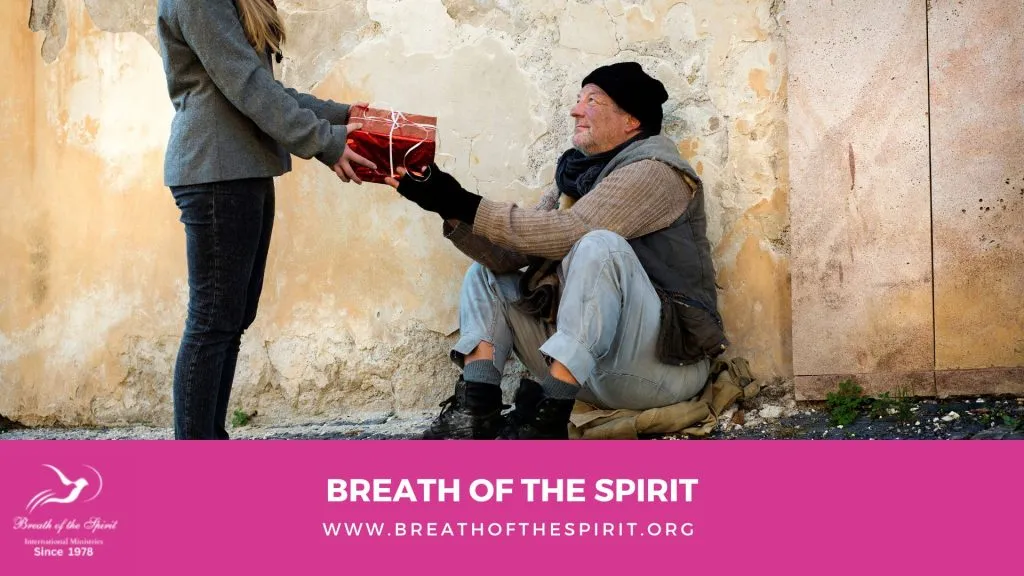 When we ask what does it mean to be anointed by God, the answer is not confined to church or ministry. Anointing is God’s Spirit actively working through us in ordinary spaces like the office, classroom, and home. It is seen when we bring integrity, compassion, and faith into environments that often challenge our values. Living anointed means carrying God’s presence wherever we go and allowing it to influence the way we respond to daily pressures.
| Environment | Examples of Living Anointed |
| Work | Anointed living in the workplace means being truthful in reports even if dishonesty would lead to quick results. It is showing patience with difficult colleagues and choosing to encourage rather than criticize. It also includes praying for wisdom before important meetings or decisions, trusting that God directs every step. |
| School | At school, anointing is expressed through diligence, treating study as an act of stewardship rather than a burden. It shows in kindness to classmates who may feel excluded or bullied, becoming a source of support when others turn away. It is also found in standing firm in Christian values even when peer pressure urges compromise. |
| Home | Living anointed at home involves creating a peaceful environment where prayer and Scripture are part of daily rhythms. It is practicing forgiveness quickly during family conflicts, showing grace instead of anger. Parents and children alike demonstrate anointing by modeling gratitude and faith, making home a place where God’s presence is evident. |
Serving Others as a Lifestyle of Anointing
The anoint meaning has always been connected with service. In Scripture, kings, priests, and prophets were anointed not for their own glory but to serve God’s people. That same principle applies today. When we ask what does it mean to be anointed by God in daily life, one of the clearest answers is found in serving others. Anointing is not about personal recognition but about being set apart to make a difference in the lives of those around us. Practical steps to live anointed through service include:- Start with prayerful awareness – Ask God each day to open your eyes to the needs of people around you.
- Serve with what you have – Use your gifts, whether it is cooking a meal, teaching, or simply offering encouragement.
- Be intentional in relationships – Look for opportunities to listen, help, and support others, even in small ways.
- Commit to consistency – True anointed service is not occasional but a lifestyle of showing God’s love daily.
- Give without expecting in return – Reflect God’s heart by serving freely, trusting Him to bring the increase.
FAQs
What does it mean to anoint someone?
To anoint someone means to set them apart for a special purpose through the application of oil or prayer. In biblical times, anointing often marked kings, priests, or prophets as chosen by God. Today, it can also symbolize asking God’s Spirit to empower, bless, or guide a person for a task or calling.What is the meaning of the word anoint?
The word anoint comes from the practice of applying oil as a sign of consecration. The anoint meaning points to being chosen, dedicated, or empowered by God. While oil was used physically in Scripture, the deeper meaning relates to God’s spiritual covering and empowerment.What does anoint me mean?
When someone asks God to “anoint me,” they are seeking His Spirit to equip them for His work. It is a prayer for strength, wisdom, and divine guidance. Saying “anoint me” is essentially asking God to set you apart and fill you with His presence for everyday life and spiritual purpose.Final Thoughts on What Does It Mean to Be Anointed
Discovering the anoint meaning in everyday life reminds us that being anointed is not only for prophets or pastors but for every believer willing to walk in faith, obedience, and service. When we invite God’s Spirit into our choices, relationships, and responsibilities, ordinary routines take on eternal purpose. Whether you are at work, school, or home, anointing is about reflecting God’s presence wherever you go. Now is the time to take a step of faith. If you are seeking prayer and encouragement, you can share your prayer requests. To grow deeper in understanding and stay connected, sign up for our newsletter. If you feel led to support the mission of helping those in need, consider making a donation. Together, we can live out the calling of anointed service.What Does It Mean to Be Anointed? A Biblical Perspective
What does it mean to be anointed? It means being set apart, empowered, and chosen by God for a divine purpose. Anointing in the Bible was a sacred act that marked kings, prophets, and priests for leadership and spiritual authority. But anointing isn’t just for biblical figures—it’s for you.
In a world filled with doubt and discouragement, many feel unworthy or unqualified. But God does not call the qualified—He qualifies the called. Spiritual anointing is His power working through you, breaking limitations and leading you into your destiny.
The evidence of anointing is seen in action—91% of religious individuals give to charity, compared to 66% of secular individuals. When God anoints, He transforms.
In this blog post, we’ll explore the anointed definition, anointing ceremony, and how Jesus Christ is the ultimate Anointed One. Get ready—your calling awaits!
Anointed Definition: Divine Selection and Consecration
What does it mean to be anointed? It means being set apart, chosen, and empowered by God for a divine purpose. The anointed definition in Scripture reveals a powerful truth: anointing is not just a religious tradition but a sacred act that carries divine authority.
The word "to anoint" comes from the Hebrew mashach and the Greek chrio, meaning "to smear or rub with oil" or "to consecrate for a holy purpose." Throughout anointing in the Bible, this act was used to set apart individuals for divine service, marking them as chosen by God. Anointing symbolized His blessing, favor, and empowerment, ensuring that those He called were not acting in their own strength but in His.
Anointing in the Old and New Testament
In the Old Testament anointing, kings, priests, and prophets were anointed with anointing oil to signify their divine appointment. The anointing was more than a physical act—it carried a spiritual impartation. When Samuel anointed David as king (1 Samuel 16:13), the Spirit of the Lord came powerfully upon David, equipping him for leadership. Likewise, priests like Aaron were anointed as mediators between God and His people (Exodus 29:7).
The anointing ceremony was sacred and intentional. The oil used was often a blend of myrrh, cinnamon, and olive oil, representing the presence and power of God. But beyond the oil, the true anointing came from the Holy Spirit.
In the New Testament anointing, the practice took on a deeper spiritual meaning. Instead of anointing only kings and priests, Jesus brought spiritual anointing to all believers through the Holy Spirit. How does anointing relate to Jesus Christ? He is the ultimate Anointed One—the Christ—fulfilling the roles of King, Priest, and Prophet. Through Him, every believer receives an anointing to walk in divine purpose.
So, what does it mean to be anointed today? It means walking in the power of the Holy Spirit, knowing that God has chosen and equipped you for His divine plan. Whether in ministry, leadership, or everyday life, His anointing sets you apart to bring His kingdom to earth.
The Purpose and Power of Anointing in Scripture
Anointing in the Bible was never just a ritual—it carried divine power, protection, and purpose. What does it mean to be anointed? It means being chosen and empowered by God to fulfill a calling beyond human ability. The act of anointing with oil symbolized His presence, equipping individuals for spiritual authority and supernatural provision.
In biblical times, anointing was primarily associated with three key roles:
- Kingship – Leaders like David and Saul were anointed to establish their divine authority (1 Samuel 16:13).
- Priesthood – Priests were anointed to mediate between God and His people, ensuring holiness in worship (Exodus 29:7).
- Prophetic Calling – Prophets like Elisha were anointed to proclaim God’s will and lead His people (1 Kings 19:16).
Beyond leadership, spiritual anointing signified healing, deliverance, and sanctification. The New Testament anointing expanded this purpose—James 5:14 speaks of anointing the sick with oil as a declaration of faith and divine healing. Psalm 23:5 declares, “You anoint my head with oil; my cup overflows,” reflecting God’s abundant blessing.
Today, God’s anointing empowers believers to walk in divine purpose. How does anointing relate to Jesus Christ? He is the ultimate Anointed One, and through Him, His followers receive the Holy Spirit’s power to transform lives.
Anointing Ceremony: Sacred Rituals and Significance

The anointing ceremony was one of the most sacred rituals in biblical history. More than just a symbolic act, it was a divine declaration—God’s way of setting individuals apart for His purpose. What does it mean to be anointed? In biblical times, it meant receiving divine authority, favor, and empowerment through a holy ritual involving anointing oil and spoken blessings.
The ceremony involved several key elements:
- Anointing Oil – A sacred blend of myrrh, cinnamon, and olive oil, as commanded in Exodus 30:22-25, symbolizing holiness, healing, and God’s presence.
- Physical Application – Oil was poured or dabbed on the chosen person, signifying their consecration.
- Divine Commissioning – The ceremony publicly declared their God-ordained role, whether as a king, priest, or prophet.
- Spiritual Empowerment – Anointing often resulted in a supernatural transformation, such as when Samuel anointed David and the Spirit of the Lord came upon him (1 Samuel 16:13).
In the New Testament anointing, the focus shifted from a physical ritual to spiritual anointing through the Holy Spirit. Rather than oil alone, believers are now sealed by God’s presence within them (1 John 2:20, 27). How does anointing relate to Jesus Christ? He is the ultimate fulfillment of anointing, pouring out His Spirit upon all who follow Him, marking them as His chosen people.
To understand why Jesus, the Anointed One, was rejected in His own hometown, read our in-depth study: Why Nazareth Rejected Jesus: A Study in Spiritual Blindness.
Jesus Christ: The Ultimate Anointed One
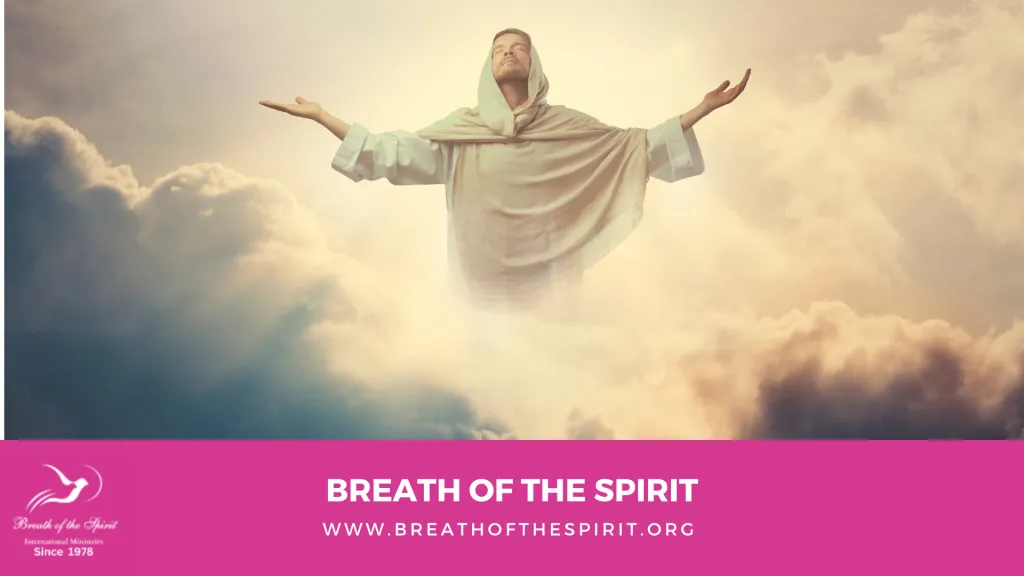
How does anointing relate to Jesus Christ? The very title "Christ" comes from the Greek word Christos, meaning "Anointed One." From the beginning, Jesus was not just anointed for a temporary role but for an eternal purpose—to fulfill God’s plan of redemption.
Jesus embodies every aspect of biblical anointing:
- As King – He reigns over God's eternal kingdom, not through earthly power but through divine authority (Revelation 19:16).
- As Priest – He serves as the ultimate mediator between God and humanity, offering Himself as the perfect sacrifice for sin (Hebrews 4:14-16).
- As Prophet – He reveals God’s truth, declaring the arrival of the Kingdom and calling people to repentance (John 14:6).
Unlike Old Testament figures who were anointed with anointing oil, Jesus was anointed directly by the Holy Spirit (Luke 4:18). This fulfilled Isaiah’s prophecy: “The Spirit of the Lord is upon me, because he has anointed me to proclaim good news to the poor” (Isaiah 61:1). His anointing was not just for His earthly ministry—it extends to all believers, empowering them with the Holy Spirit and marking them as God's chosen people (1 John 2:20, 27).
Through Christ’s anointing, we are invited to walk in spiritual anointing, living a life filled with His presence and power.
To deepen your relationship with God, learn practical ways to honor Him daily in How to Praise the Lord in Everyday Life: A Guide to Daily Worship.
Frequently Asked Questions (FAQs)
What does it mean to be an anointed person?
An anointed person is someone who has been chosen, empowered, and set apart by God for a specific purpose. In the Bible, anointing was often associated with the pouring of oil as a symbol of God’s blessing, authority, and presence. Today, being anointed means being filled with the Holy Spirit and equipped by God to fulfill His calling, whether in ministry, leadership, or daily life. An anointed person walks in divine favor, spiritual strength, and the power of God’s presence.
How do you become anointed?
Becoming anointed starts with a personal relationship with God through faith in Jesus Christ. It involves seeking God’s presence, living in obedience to His Word, and being filled with the Holy Spirit. Anointing is not just for pastors or leaders—it is available to every believer who surrenders to God’s will. Prayer, worship, studying Scripture, and walking in faith open the door for God’s anointing to work in and through a person’s life.
What is the spiritual meaning of the anointing?
Spiritually, anointing represents the empowerment of the Holy Spirit, signifying God’s divine favor, protection, and calling. It is a supernatural enablement that allows believers to operate in God’s strength rather than their own. Anointing is often linked to healing, deliverance, and spiritual authority. In essence, it is God’s way of setting someone apart to accomplish His divine purpose in the world.
Embracing the Anointing in Christian Life
What does it mean to be anointed? It means walking in God’s power, fulfilling His purpose, and allowing the Holy Spirit to work through you. Through Christ, every believer receives spiritual anointing, equipping them to serve, lead, and transform lives.
To fully embrace your anointing, seek God daily, walk in faith, and allow the Holy Spirit to work through you. Whether in ministry, leadership, or everyday life, His anointing empowers you to impact the world.
If this message has blessed you, consider supporting Breath of the Spirit International Ministries. Your donation helps spread the Gospel and provides humanitarian aid worldwide. Stay connected by subscribing to our newsletter for teachings, prophetic insights, and ministry updates.
What Does It Mean to Be Anointed by God? A Biblical Perspective
Understanding Anointing in the Bible
In biblical times, anointing was a sacred act that involved pouring oil over a person’s head, signifying that they were set apart for a divine purpose. The Hebrew word for anointing, mashach, means “to smear or rub with oil,” representing consecration, empowerment, and God's blessing. This practice symbolized divine selection and authority, marking individuals as chosen by God for a specific role or mission. There are two primary types of anointing in Scripture:- Physical anointing with oil – This was used to consecrate prophets, priests, and kings. For example, Aaron was anointed as a priest (Exodus 30:30), and David was anointed as king by the prophet Samuel (1 Samuel 16:13).
- Spiritual anointing by the Holy Spirit – Unlike physical anointing, this is an internal, divine impartation of power and authority. Isaiah 61:1 speaks of the Spirit of the Lord anointing believers to preach, heal, and set captives free, while 1 John 2:27 describes how the Holy Spirit teaches and guides believers.
Biblical Examples of Anointing
Throughout Scripture, we see that anointing is not merely a ritual but a divine commissioning, equipping individuals for God’s work. What does it mean to be anointed by God? It means being set apart and empowered to fulfill a specific calling. The Bible provides several powerful examples:- Aaron and the Priests – Anointed with sacred oil to serve in the temple, signifying their consecration to God’s service (Exodus 30:30).
- King David – Anointed by the prophet Samuel as the future king of Israel, demonstrating that God's choice often defies human expectations (1 Samuel 16:13).
- Prophet Elisha – Received a double portion of Elijah’s anointing, proving that God can multiply His power in the lives of those who seek Him (2 Kings 2:9-10).
- Jesus Christ – Declared, “The Spirit of the Lord is upon me, because He has anointed me to proclaim good news” (Luke 4:18).
The Purpose of God’s Anointing
 The anointing of God is not merely a title or a religious status—it is a divine empowerment given for a purpose. When God anoints someone, He equips them to fulfill His calling, overcome obstacles, and walk in spiritual authority. But what does it mean to be anointed by God in practical terms? It means being set apart for His mission, strengthened by His Spirit, and guided by His wisdom.
Here are the key purposes of God's anointing:
- Empowerment for Ministry – The anointing enables believers to carry out God's will with divine strength. Jesus Himself was anointed to heal the sick, set captives free, and proclaim the Kingdom (Acts 10:38).
- Spiritual Authority – Those anointed by God operate under His authority, able to stand against spiritual forces and obstacles (Luke 10:19).
- Divine Protection – The anointing places individuals under God's covering. “Do not touch my anointed ones” (Psalm 105:15) serves as a reminder that God defends those He has chosen.
- Transformation and Growth – The anointing of the Holy Spirit shapes believers into Christ’s image, leading them into deeper spiritual maturity (2 Corinthians 3:18).
How Does Anointing Work Today?
The difference between Old and New Testament anointing lies in how God imparts His power. In the Old Testament, anointing was a physical act—oil was poured over kings, prophets, and priests to set them apart for divine service. This external ritual symbolized God’s favor and empowerment. However, in the New Testament, the focus shifts from an external anointing to an internal one. How does the Holy Spirit anoint believers today? Through the indwelling presence of God’s Spirit, every believer is equipped to walk in divine purpose. Today, anointing operates through the following:- The Holy Spirit’s Presence – Every believer receives the anointing of the Holy Spirit upon salvation. “You have an anointing from the Holy One, and you all know the truth” (1 John 2:20). This anointing empowers believers to walk in wisdom, discernment, and spiritual authority.
- Gifts of the Spirit – The anointing is revealed through spiritual gifts such as prophecy, healing, teaching, and leadership (1 Corinthians 12:7-11). These gifts equip believers to serve effectively in their calling.
- Divine Assignments – God's anointing is not just for church leaders; it extends to various spheres of life, including business, education, and government. Wherever God calls someone, He anoints them to succeed.
How to Walk in God’s Anointing
 Receiving God’s anointing is a divine gift, but walking in it requires intentionality. Many believers experience moments of spiritual empowerment but struggle to maintain it in their daily lives. What does it mean to be anointed by God if we don’t fully embrace and steward that anointing? To walk in God’s anointing is to live in alignment with His will, allowing His power to flow through us continually.
If you’ve ever felt distant from your calling, unsure of whether you are still walking in God’s purpose, you are not alone. Many have wondered, Have you lost sight of your God-given destiny? The good news is that God’s anointing is not a one-time event but an ongoing journey of renewal and growth.
Here are key ways to cultivate and maintain the anointing of the Holy Spirit in your life:
- Seek Intimacy with God – A deep relationship with God allows His Spirit to work through you. Jesus said, “I am the vine; you are the branches. If you remain in me and I in you, you will bear much fruit” (John 15:5). Staying connected to God ensures His power continues to flow.
- Live a Holy Life – The anointing thrives in purity and obedience. Sin can dull our spiritual sensitivity, but a life of holiness keeps us aligned with God’s purpose. “Those who cleanse themselves… will be instruments for special purposes, made holy, useful to the Master” (2 Timothy 2:21).
- Stay in the Word – Scripture is the foundation of spiritual growth. It provides guidance and strengthens those anointed for God’s work. “Your word is a lamp to my feet and a light to my path” (Psalm 119:105).
- Pray for Fresh Anointing – Just as oil must be replenished in a lamp, the anointing requires renewal through prayer and surrender. “Be filled with the Spirit” (Ephesians 5:18) reminds us that spiritual empowerment is ongoing.
- Use Your Anointing to Serve – The anointing is not for personal status but to bless and uplift others. “Each of you should use whatever gift you have received to serve others, as faithful stewards of God’s grace” (1 Peter 4:10).
FAQs About Being Anointed by God
What does it mean when God has anointed me?
Being anointed by God means that He has set you apart for a divine purpose, empowering you with His Spirit to fulfill His calling. This anointing equips you with spiritual authority, wisdom, and strength to carry out His will in your life. It’s not just for pastors or prophets—every believer is anointed through the Holy Spirit to serve and glorify God.What does the Bible say about God's anointed?
The Bible speaks of God’s anointed as those chosen and empowered by Him for a specific mission. In the Old Testament, prophets, priests, and kings were physically anointed with oil to signify God’s calling (1 Samuel 16:13, Exodus 30:30). In the New Testament, Jesus is called the “Anointed One” (Luke 4:18), and believers receive the anointing of the Holy Spirit, which enables them to walk in God’s power (1 John 2:27).What is the biblical definition of “anointed one”?
The term "anointed one" comes from the Hebrew word Mashiach (Messiah) and the Greek Christos (Christ), both meaning "the Anointed One." Biblically, this title primarily refers to Jesus Christ, who was sent by God to bring salvation to the world. However, believers are also anointed through the Holy Spirit, receiving divine empowerment to live out their faith and fulfill God’s purpose (2 Corinthians 1:21-22).Walking in the Power of God’s Anointing
What does it mean to be anointed by God? It means stepping into a divine calling, empowered by the Holy Spirit to fulfill God’s purpose in your life. From the Old Testament to today, God’s anointing continues to equip believers with spiritual authority, divine protection, and the strength to transform lives. When you embrace His anointing, you walk in faith, boldness, and unwavering purpose. If you’re seeking deeper spiritual insight and a fresh touch of God’s anointing, submit a prayer request today and allow us to stand with you in faith. Send your request now.Power and Purpose of the Anointing: An Inside Look KJV Scripture
The power and purpose of the anointing, as explored through an inside look at KJV scripture, reveal a profound spiritual truth that has been a cornerstone of the Christian faith for centuries. The anointing is more than just a religious ritual; it represents God's divine empowerment and blessing bestowed upon individuals chosen for a specific purpose. This article delves into the biblical foundation of anointing, providing examples from the King James Version (KJV) of the Bible, and explores how this divine empowerment remains relevant in the lives of believers today.
Power and Purpose of the Anointing: An Inside Look KJV Scripture
The concept of anointing is deeply embedded in the Bible, where it is often associated with consecration, empowerment, and divine authority. In the Old Testament, anointing was a physical act involving the application of oil, symbolizing God's blessing and the setting apart of individuals for sacred duties. In the New Testament, anointing takes on a spiritual dimension, representing the Holy Spirit's presence and power in the life of a believer.
The Anointing of Priests and Prophets in the Old Testament
In the Old Testament, anointing was a significant rite of consecration, particularly for priests and prophets. Exodus 28:41 (KJV) highlights the importance of this practice:
"And thou shalt put them upon Aaron thy brother, and his sons with him; and shalt anoint them, and consecrate them, and sanctify them, that they may minister unto me in the priest's office."
This verse emphasizes the sanctification of Aaron and his sons through anointing, marking their divine appointment as priests. The anointing oil, a symbol of God's holiness and authority, set them apart for the ministry, empowering them to fulfill their duties with divine backing.
Prophets, too, were anointed as a sign of their divine commissioning. In 1 Kings 19:16 (KJV), God commands Elijah to anoint Elisha as his prophetic successor:
"And Jehu the son of Nimshi shalt thou anoint to be king over Israel: and Elisha the son of Shaphat of Abelmeholah shalt thou anoint to be prophet in thy room."
This anointing was not just a ceremonial act; it was a divine endorsement, equipping Elisha with the spiritual authority and power needed to carry out his prophetic ministry.
The Anointing of Kings: A Divine Appointment

The anointing of kings in the Old Testament is another powerful example of God's divine appointment and empowerment. Saul, the first king of Israel, was anointed by Samuel in 1 Samuel 10:1 (KJV):
"Then Samuel took a vial of oil, and poured it upon his head, and kissed him, and said, Is it not because the Lord hath anointed thee to be captain over his inheritance?"
This anointing set Saul apart as God's chosen leader, bestowing upon him the authority to rule over Israel. However, when Saul disobeyed God, the anointing was transferred to David. 1 Samuel 16:13 (KJV) describes David's anointing:
"Then Samuel took the horn of oil, and anointed him in the midst of his brethren: and the Spirit of the Lord came upon David from that day forward. So Samuel rose up, and went to Ramah."
David's anointing was accompanied by the Spirit of the Lord, empowering him to fulfill his role as king with divine guidance and strength. The anointing of kings in the Bible underscores the principle that true authority and leadership come from God.
The Anointing in the New Testament: A Spiritual Empowerment
In the New Testament, the concept of anointing evolves into a spiritual empowerment linked to the Holy Spirit. Jesus Himself speaks of His anointing in Luke 4:18 (KJV):
"The Spirit of the Lord is upon me, because he hath anointed me to preach the gospel to the poor; he hath sent me to heal the brokenhearted, to preach deliverance to the captives, and recovering of sight to the blind, to set at liberty them that are bruised,"
Power and Purpose of the Anointing: An Inside Look KJV Scripture. Jesus' ministry was divinely empowered by the Holy Spirit's anointing, enabling Him to preach, heal, and deliver. This anointing was not limited to Jesus; it extends to all believers, equipping them for their spiritual journey and ministry.
The Apostle John also refers to the anointing in 1 John 2:27 (KJV):
"But the anointing which ye have received of him abideth in you, and ye need not that any man teach you: but as the same anointing teacheth you of all things, and is truth, and is no lie, and even as it hath taught you, ye shall abide in him."
This passage highlights the enduring presence of the anointing within believers, guiding them in truth and empowering them to live according to God's will.
The Purpose of the Anointing: Empowerment for Service
The anointing serves as a divine empowerment for service, equipping individuals to fulfill their God-given roles. In the Old Testament, this empowerment was often associated with leadership, prophecy, and priesthood. In the New Testament, the anointing takes on a broader spiritual application, empowering all believers to serve in various capacities within the body of Christ.
The anointing also brings about transformation. For example, Saul's anointing transformed him into a different person, as described in 1 Samuel 10:6 (KJV):
"And the Spirit of the Lord will come upon thee, and thou shalt prophesy with them, and shalt be turned into another man."

This transformative power is available to believers today, enabling them to operate in God's power and authority.
Moreover, the anointing provides protection. Psalm 105:15 (KJV) states:
"Touch not mine anointed, and do my prophets no harm."
This verse underscores the protective aspect of the anointing, assuring that those who are anointed by God are under His divine protection.
The Continuation of the Anointing in the Church Today
The anointing continues in the Church today, empowering believers to carry out God's work. The Apostle Paul affirms this in 2 Corinthians 1:21-22 (KJV):
"Now he which stablisheth us with you in Christ, and hath anointed us, is God; Who hath also sealed us, and given the earnest of the Spirit in our hearts."
This passage confirms that God has anointed believers, sealing them with the Holy Spirit and empowering them for ministry. The anointing is not limited to a select few but is available to all who are in Christ.
Living Under the Anointing: Practical Steps for Believers
Living under the anointing requires a life of consecration and obedience to God. Believers are called to walk in the Spirit, maintaining a strong connection with God through prayer and the study of His Word.
Prayer is a vital channel for releasing and activating the anointing in a believer's life. Jesus often withdrew to pray, and His ministry was marked by the power of the anointing.
Studying and meditating on God's Word is also crucial, as the Word provides the wisdom and knowledge necessary to operate effectively under the anointing.
Finally, believers must step out in faith, trusting that the anointing will empower them to fulfill God's purposes. Whether in ministry, business, or daily life, the anointing equips believers to achieve extraordinary results by the power of the Holy Spirit.
The Anointing Oil: A Symbol of the Holy Spirit 
Anointing oil, used as a symbol of the Holy Spirit, is still significant in Christian practice. The oil itself has no power, but it represents the presence and work of the Holy Spirit in the life of the anointed. James 5:14 (KJV) advises:
"Is any sick among you? let him call for the elders of the church; and let them pray over him, anointing him with oil in the name of the Lord:"
This practice reflects the belief that anointing with oil, combined with prayer, can bring healing and deliverance, symbolizing the Holy Spirit's work.
Conclusion: Embracing the Anointing in Our Lives, Power and Purpose of the Anointing: An Inside Look KJV Scripture
The power and purpose of the anointing are central to the Christian life. As seen in KJV scripture, the anointing is God's way of empowering and equipping His people for service. From the anointing of priests, prophets, and kings in the Old Testament to the spiritual anointing of believers in the New Testament, its significance remains unaltered.
Power and Purpose of the Anointing: An Inside Look KJV Scripture. Believers today are called to embrace the anointing, allowing it to transform their lives and enable them to fulfill their God-given purposes. Through prayer, study, and stepping out in faith, we can live under the anointing, experiencing its power and protection in every aspect of our lives.
Anointed Meaning: A Guide Into The Biblical And Spiritual Term
Anointed Meaning: A Guide Into The Biblical And Spiritual Term

The word "anointed" resonates with a sense of the sacred, conjuring images of ancient rituals, divine empowerment, and a profound connection to the spiritual realm. But what does it truly mean to be anointed? In this comprehensive exploration, we'll delve into the rich tapestry of meanings woven throughout history, scripture, and personal experience.
The Biblical Roots of Anointing: A Sacred Consecration
In the Bible, anointing was far more than a mere application of oil. It was a sacred act, a ritualistic bridge between the earthly and the divine.
Anointing in the Old Testament: Kings, Prophets, and Priests
The Old Testament recounts numerous instances of anointing, where oil was poured upon the heads of those chosen by God for specific roles:
- Kings: Figures like Saul and David were anointed as monarchs, their leadership divinely sanctioned.
- Prophets: Prophets such as Samuel and Elijah received the anointing to proclaim God's word with authority.
- Priests: Priests were anointed to serve in the tabernacle and temple, mediating between God and humanity.
This ritualistic use of oil symbolized the outpouring of the Holy Spirit, imbuing the anointed with wisdom, power, and a unique connection to the divine.
Jesus: The Anointed One (Messiah)
In the New Testament, the concept of anointing reaches its pinnacle in Jesus Christ. The very titles "Messiah" (Hebrew) and "Christ" (Greek) translate to "anointed one." Jesus is the fulfillment of ancient prophecies, the ultimate embodiment of God's anointing on Earth.
The Anointing of Believers: Sharing in the Divine Spirit
The New Testament also speaks of believers being anointed with the Holy Spirit. This spiritual anointing is not a physical act but an internal transformation that empowers them for a life of service, ministry, and a deeper relationship with God.
Playlist
6 Videos
Anointing & Appointing For Ministry - Dr. Michelle Corral - Prophetic Word Telecast -
26:14
Supernatural Steps Into The Already Anointing - Dr. Michelle Corral
23:07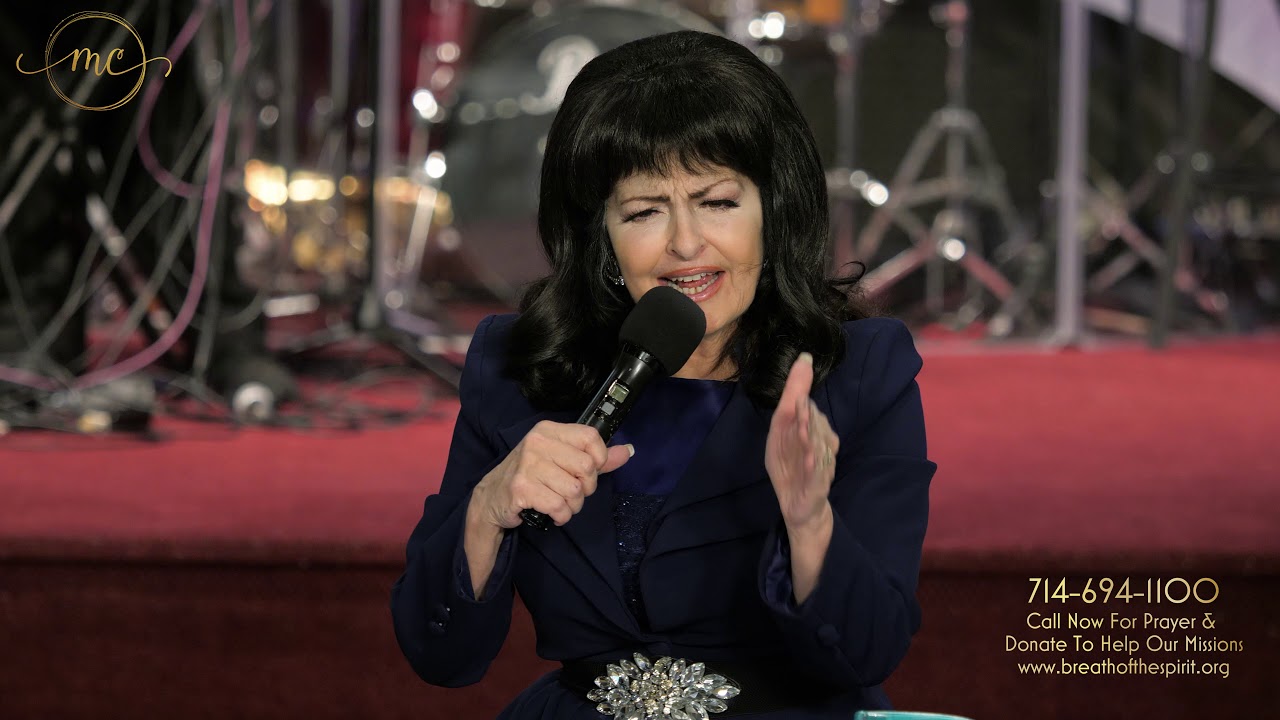
Dr. Michelle Corral The Prophetic Properties In The Anointing - The Prophetic Word Telecast
41:56
The Anointing & The Door of Destiny - Dr. Michelle Corral
23:15
Dr. Michelle Corral - Prelude to Pentecost - Josephs Coat & The Empowering Effects of The Anointing
26:37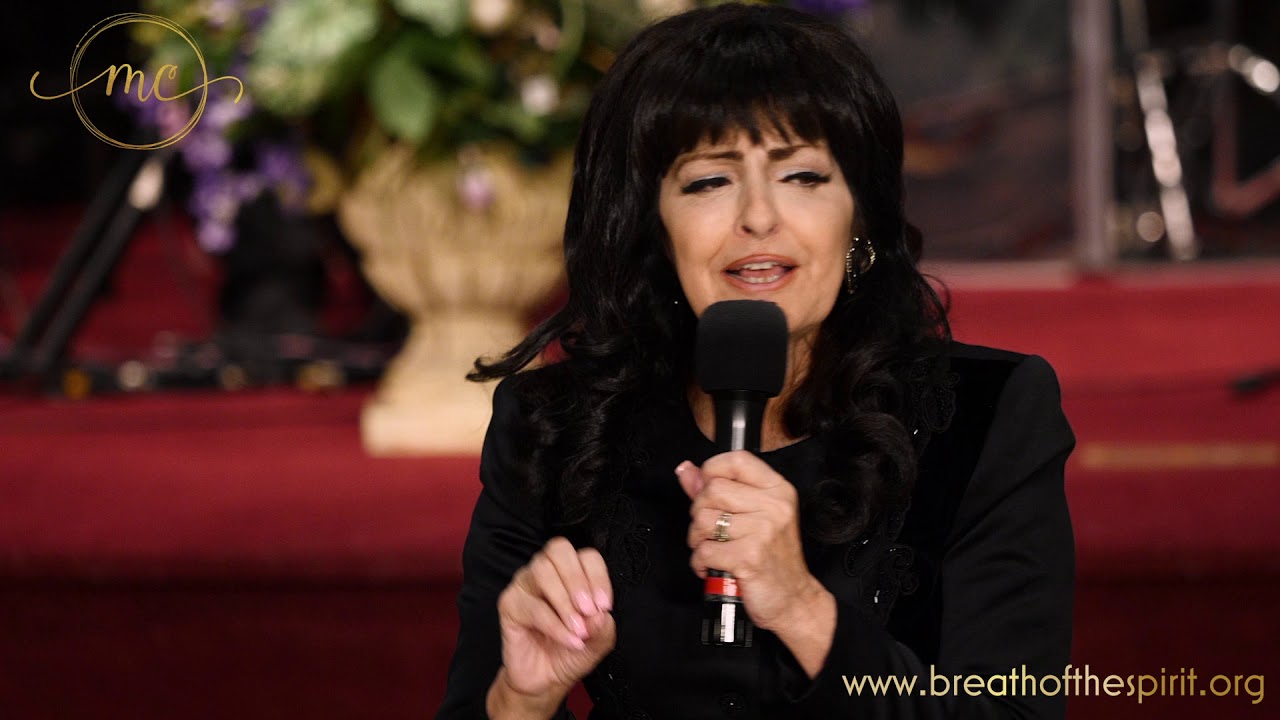
Dr. Michelle Corral - Contagious Component In The Anointing - Prophetic Word Telecast
28:30Spiritual Anointing: The Empowering Presence of the Holy Spirit
Beyond its biblical roots, the concept of anointing has expanded to encompass a broader spiritual understanding.
Experiencing the Anointing: A Personal Encounter with the Divine
The experience of spiritual anointing is often described as a tangible encounter with God's presence. It may manifest as a heightened sense of peace, joy, or love, or as an empowerment to carry out specific tasks or callings. For some, it is accompanied by supernatural gifts like healing, prophecy, or speaking in tongues.
The Purpose of Anointing: Transformation and Empowerment
Spiritual anointing is not merely an emotional experience; it serves a divine purpose. It equips believers to live a life that glorifies God, to serve others, and to further His kingdom on Earth. It is a source of strength, guidance, and inspiration, enabling individuals to overcome challenges and fulfill their God-given potential.
Anointed Meaning Beyond Religion: Cultural and Symbolic Significance
The concept of anointing transcends religious boundaries, finding expression in various cultural and symbolic contexts.
Historical and Modern Uses of Anointing
Throughout history, anointing has been used to signify honor, consecration, or dedication. It has been employed in the coronation of monarchs, the inauguration of leaders, and even in athletic competitions (think of the ancient Olympic Games). In modern times, we might use the term "anointed" metaphorically to describe someone with exceptional talent or a seemingly divine calling.
The Symbolism of Oil: Sacredness, Healing, and Abundance
The oil used in anointing carries rich symbolism. It represents sacredness, used in religious rituals and offerings. It signifies healing, as it was often used for medicinal purposes. And it embodies abundance, representing fruitfulness and prosperity.
Anointed Meaning FAQs
What does it mean to be the anointed one?
In the Bible, "the anointed one" refers to the Messiah, a savior chosen by God. In a broader sense, it can refer to anyone specially chosen or appointed by God for a particular purpose.
What is the difference between anointing and being filled with the Holy Spirit?
Anointing is the act of being set apart by God for a specific purpose, often accompanied by the Holy Spirit's empowerment. Being filled with the Holy Spirit refers to the ongoing experience of the Spirit's presence and guidance in a believer's life.
Can anyone be anointed?
Christians believe that all who have faith in Jesus are anointed by the Holy Spirit, but the specific callings and manifestations of that anointing can differ.
What is the significance of oil in anointing?
Oil is a symbol of the Holy Spirit, representing consecration, blessing, healing, and abundance.
How do I know if I have been anointed?
There is no single answer, as experiences vary. Some signs may include a deeper sense of God's presence, gifts of the Spirit, or a strong sense of calling to a particular ministry or task.
What are the biblical references to anointing?
The Bible contains numerous references to anointing, particularly in the Old Testament, where kings, prophets, and priests were anointed. In the New Testament, Jesus is referred to as the Anointed One (Messiah).
What does it mean to be anointed for leadership?
To be anointed for leadership means to be chosen and empowered by God for a position of authority or influence. This can apply to various roles in the church, government, or other spheres of life.
How does anointing relate to spiritual gifts?
Spiritual gifts are often seen as a manifestation of the Holy Spirit's anointing in a believer's life. These gifts are given for the building up of the church and serving others.
Can anointing be lost or taken away?
While some believe anointing can be hindered by sin or disobedience, others believe it is a permanent mark on a believer's life.
How can I seek God's anointing?
How can I seek God's anointing?
Seeking God's anointing involves prayer, surrender to His will, and a willingness to be used for His purposes.
What does anointed mean?
Anointing refers to the act of applying oil or ointment to someone as a religious ritual or as a symbol of consecration, blessing, or sanctification. The term "anointed" often signifies someone who has been chosen or set apart by divine appointment for a special purpose or mission. This practice is rooted in biblical traditions and carries deep spiritual significance.
What does it mean to be anointed?
To be anointed means to be chosen and consecrated by God for a specific purpose. In the Bible, anointing with oil was a sign of being set apart for a holy task, whether it was to become a king, a priest, or a prophet. Spiritually, being anointed can also represent the presence and empowerment of the Holy Spirit in a person's life.
What does anointing mean?
Anointing refers to the ritualistic application of oil in religious ceremonies, symbolizing the setting apart of someone for divine service. It is a practice seen in many biblical accounts and is often associated with God's blessing, protection, and empowerment of an individual for a specific role or mission.
What does anoint mean?
To anoint means to apply oil or ointment to a person or object, usually as part of a religious or spiritual ritual. The act of anointing is symbolic of blessing, consecration, and sanctification. In a broader sense, it can also mean to dedicate or set apart someone or something for a sacred purpose.
What does it mean to anoint?
Anointing is the practice of applying oil or ointment, especially as a part of a religious rite, signifying that a person or object has been set apart for a holy purpose. In the biblical context, anointing often signifies divine approval and empowerment for a specific role or task.
What does anointed mean in the Bible?
In the Bible, the term "anointed" refers to someone who has been consecrated or set apart by God for a specific mission. Kings, prophets, and priests were often anointed with oil as a sign of their divine appointment. This anointing symbolized God's blessing, presence, and authority resting upon them.
What does it mean to be anointed by God?
Being anointed by God means being chosen, empowered, and blessed by God for a special purpose. This divine anointing involves being set apart to fulfill a specific role or mission, often accompanied by the Holy Spirit's guidance and empowerment.
What does anointing mean in the Bible?
Anointing in the Bible refers to the ceremonial practice of applying oil to someone as a symbol of divine blessing and consecration. It was commonly used in the appointment of kings, priests, and prophets. This act symbolized God's favor, protection, and empowerment of the anointed individual.
What is the meaning of anointing?
The meaning of anointing encompasses both the physical act of applying oil in a religious context and the spiritual significance behind it. Anointing symbolizes blessing, sanctification, and the conferring of divine authority or favor upon a person, particularly in the context of their divine mission or purpose.
What anointed means?
The term "anointed" describes someone who has been consecrated or set apart for a divine purpose. In biblical times, this often involved the ritualistic application of oil to signify God's blessing and appointment for a specific role, such as that of a king or prophet.
What does it mean to be anointed in the Bible?
To be anointed in the Bible means to be chosen and set apart by God for a particular purpose. This divine selection was often marked by the ceremonial anointing with oil, which symbolized the outpouring of God's Spirit, blessing, and authority on the individual.
Understanding the Power of Anointing: A Biblical Exploration
What is Anointing? Biblical Roots & Meaning
The practice of anointing with oil originates in the rich tapestry of Old Testament rituals. It was a visible act signifying consecration – the setting apart of individuals (priests, kings, prophets) or objects for God's sacred purposes. This anointing foreshadowed the ultimate Anointed One, Jesus Christ, through whom all believers share in the anointing of the Holy Spirit. Psalm 105:15 reminds us to honor this anointing, not as a defense against physical harm, but as a call to respect God's chosen servants and the work He does through them. In this article we will be Understanding the Power of Anointing: A Biblical Exploration through the eyes of a Christian.Anointing Oil: Purpose & How to Use It
While the Bible provides examples (such as the holy anointing oil of Exodus 30), God doesn't dictate a rigid, modern-day recipe. The essence lies in the symbolism. Pure olive oil, often infused with fragrant oils like myrrh or frankincense, carries deep meaning. You can create your own anointing oil at home or seek out reputable sources that prepare it with reverence. The act of anointing itself should be accompanied by focused prayer and intention. Whether anointing a person for healing or blessing, an object, or your living space, it's an expression of your faith.Anointing for Spiritual Warfare & Protection
Let it be understood that our primary defense in spiritual matters is always our unwavering faith in God. Anointing becomes a powerful tool when coupled with this faith. The intentional act of anointing your home or belongings is a declaration of God's protection and a request for spiritual cleansing. Offer specific prayers as you anoint, asking God to guard your dwelling and those within it.Anointing in Your Daily Life
The beauty of anointing lies in its accessibility. It's not reserved exclusively for grand occasions. Consider carrying a small vial of anointing oil with you. This allows you to discreetly incorporate this act of faith into your everyday life. Whether anointing a new possession, seeking God's presence in a difficult moment, or offering a tangible blessing to a loved one, let anointing be a physical reminder of your ever-present connection to the divine. Read more about the anointing here.About Breath of the Spirit Ministries
Breath of the Spirit International Ministries, founded by Dr. Michelle Corral, is a dynamic Christian organization dedicated to spreading the gospel worldwide. Dr. Michelle is a sought-after speaker, author, and the host of the weekly "Prophetic Word" telecast. The ministry's extensive humanitarian work, through Chesed International Charity, brings aid to thousands across the globe.
To learn more about Dr. Michelle and Breath of the Spirit Ministries, visit: https://breathofthespirit.org/about/
The Profound Significance of Anointing in Spiritual Practices
What is the Anointing? Exploring Its Biblical and Spiritual Roots
Anointing is a powerful concept in Christianity, deeply rooted in biblical history and rich with spiritual significance. It's more than just a physical act; it represents a special blessing, empowerment, or designation by God.- Biblical Significance: In the Bible, anointing was used as a way to consecrate or set apart someone for a specific purpose. Kings, prophets, and priests were often anointed to symbolize God’s choice and blessing upon them. For example, Samuel anointed David to be king over Israel (1 Samuel 16:1-13), marking a pivotal moment in biblical history.
- Spiritual Symbolism: Anointing oil, typically made from olive oil and sometimes blended with spices, symbolizes the Holy Spirit's presence and work in a believer's life. It's seen as a source of strength, healing, and protection.
- Interesting Fact: The term "Christ" in Greek, "Christos," means "Anointed One," highlighting the central role of anointing in Christianity.
- Modern Application: Today, anointing is still practiced in various Christian traditions for healing, dedicating objects or places for sacred purposes, and in special religious ceremonies.
- Personal Implications: For many believers, anointing is a tangible reminder of God's presence, power, and protection in their lives. It's a practice that helps deepen faith and connect with the spiritual heritage of Christianity.
Anointed Procession: The Power Behind Spiritual Ceremonies
Anointed processions hold a special place in many spiritual ceremonies, embodying a rich tapestry of symbolism and divine presence. These processions are not just traditional rituals; they are powerful expressions of faith and communal spirituality.- Essence of Anointed Processions: In an anointed procession, participants often carry or use anointing oil as a symbol of God's blessing and presence. This act of moving together in a sacred manner represents unity, devotion, and a collective seeking of spiritual guidance.
- Historical Context: Anointed processions have roots in various religious traditions. In Christianity, processions can be seen in events like Palm Sunday, where Jesus' entry into Jerusalem is celebrated. This kind of procession reflects joy, reverence, and anticipation of divine intervention.
- Contemporary Relevance: Today, anointed processions are part of many church services and religious festivals. They serve as a visible reminder of the community's faith and commitment to following spiritual teachings.
- Personal Impact: For individuals participating in or witnessing these processions, it can be a deeply moving experience. It's a time to reflect on personal faith, feel connected to a larger community, and experience a sense of peace and spiritual renewal.
- Interesting Fact: Anointing oil used in these processions is often made from olive oil, historically chosen for its purity and availability in the Middle East, the birthplace of many Abrahamic religions.
The Role of Anointing Oil in Spiritual Warfare and Healing
Anointing oil plays a pivotal role in spiritual warfare and healing within Christian traditions, serving as a powerful tool for protection, deliverance, and restoration.- Spiritual Significance: Anointing oil is often seen as a physical representation of God's power and the Holy Spirit's presence. In spiritual warfare, it is used to symbolize God's authority over evil forces and to invoke divine protection.
- Biblical Examples: The Bible contains numerous references to the use of oil in spiritual contexts. For instance, in James 5:14-15, the elders of the church are instructed to anoint the sick with oil in the name of the Lord for healing. This demonstrates the believed connection between anointing oil and divine intervention.
- Healing and Comfort: Beyond its role in combatting spiritual darkness, anointing oil is also used to bring comfort and healing. It's often applied in prayer for the sick, believing it can facilitate physical and emotional healing.
- Types of Oil: Different types of oil are used for anointing, each with its own symbolic meaning. Olive oil is commonly used due to its biblical references, while some traditions add spices or fragrances to signify different aspects of the Holy Spirit's work.
- Interesting Fact: In many Christian communities, the preparation and consecration of anointing oil are undertaken with great care, often involving prayers and blessings to ensure its sacredness.
David's Anointing as King: A Biblical Case Study
The anointing of David as king is one of the most significant events in the Bible, offering profound insights into the concept of divine selection and leadership.- Biblical Narrative: David's anointing is recorded in 1 Samuel 16. God instructs the prophet Samuel to anoint David, the youngest son of Jesse, as the next king of Israel. This moment is pivotal as it marks a transition from King Saul's reign to the establishment of David's lineage, which would eventually lead to Jesus Christ, according to Christian belief.
- Symbolism of Anointing: David's anointing symbolizes God's choice and the impartation of divine authority and blessing. It's a clear demonstration of God working through unexpected and humble beginnings, as David was a young shepherd at the time.
- Lessons on Leadership: David's life post-anointing showcases the qualities of a leader chosen by God – faithfulness, courage, and a heart aligned with God's will. His victories, struggles, and even failures provide rich lessons on godly leadership.
- Interesting Fact: Despite being anointed early in life, David did not become king immediately. He underwent a significant period of preparation and challenges, highlighting the importance of patience and growth in God's plan.
- Contemporary Relevance: David's anointing encourages believers today to trust in God's timing and plan for their lives. It serves as a reminder that true authority and success come through divine anointing and alignment with God's will.
Signs of an Anointed Person: Identifying Spiritual Gifts
Identifying an anointed person often involves recognizing certain signs or spiritual gifts that indicate a special touch or empowerment from God.- Spiritual Insight and Wisdom: Anointed individuals often exhibit a deep understanding of spiritual matters and the ability to offer wise counsel. This goes beyond human knowledge, reflecting a divine insight.
- Leadership and Influence: Many anointed people naturally step into leadership roles within their communities or religious circles. They possess a charisma and authority that inspire and influence others positively.
- Healing and Miraculous Gifts: Some anointed individuals are believed to have gifts of healing and performing miracles. These acts are seen as manifestations of God's power working through them.
- Artistic and Creative Expression: Anointing can also manifest in artistic talents, such as music, writing, or visual arts, which are used to glorify God and inspire faith in others.
- Prophetic Ability: A sign of anointing can be the ability to receive and share prophetic messages or visions, which provide guidance or revelation to the community.
- Interesting Fact: The New Testament discusses spiritual gifts in passages like 1 Corinthians 12, emphasizing that these gifts are distributed according to the Holy Spirit's will for the common good.
- Personal Transformation: Anointed persons often experience a significant transformation in their character and behavior, aligning more closely with Christian virtues and values.
The Vision of the Anointed: Understanding Prophetic Callings
Understanding the vision of the anointed involves exploring the unique and profound ways God imparts prophetic callings and insights to individuals.- Nature of Prophetic Callings: Prophetic callings are often characterized by receiving divine messages or visions meant to guide, correct, or encourage the faith community. This can include foretelling future events or revealing deeper spiritual truths.
- Biblical Examples: The Bible is filled with prophets who received such visions, like Isaiah, Jeremiah, and Ezekiel. Their prophetic experiences were diverse, ranging from vivid visions to direct conversations with God.
- Discernment and Interpretation: An essential aspect of prophetic callings is discernment. The ability to correctly understand and interpret divine messages is crucial, as it impacts how these messages are conveyed to others.
- Contemporary Context: Today, many Christians believe that prophetic callings and visions continue to be a way God communicates with His people. Modern-day prophets are thought to play a role in offering guidance and revelation to the church.
- Interesting Fact: In Christian theology, the gift of prophecy is considered one of the gifts of the Holy Spirit, as outlined in 1 Corinthians 12:10.
- Personal Impact: Individuals with prophetic callings often describe their experiences as deeply transformative, both personally and spiritually. It's a calling that carries both a responsibility and a blessing.
7 Manifestations of the Anointing: Experiencing God's Power
The concept of anointing in Christianity is often associated with various manifestations, each representing a different aspect of God's power and presence in the believer's life.- Wisdom and Understanding: The anointing can bring a profound wisdom and understanding that goes beyond human knowledge. This can be seen in decision-making, teaching, and providing counsel based on godly insight.
- Strength and Courage: Anointing often empowers believers with extraordinary strength and courage, especially in challenging situations. This can manifest in standing firm in faith despite adversity.
- Healing and Restoration: The healing power of anointing is one of its most recognized manifestations. This can include physical healing, emotional restoration, and spiritual renewal.
- Prophetic Insight: Anointing can result in prophetic insight, allowing individuals to receive and share divine messages and visions that provide guidance and revelation.
- Miraculous Signs: In some instances, anointing leads to miraculous signs, such as supernatural occurrences or interventions, which serve as a testimony of God's power.
- Creative Expression: The anointing can enhance creative abilities, enabling artists, musicians, and writers to produce work that reflects divine inspiration and glory.
- Spiritual Authority: Anointing can impart spiritual authority, enabling individuals to lead effectively in spiritual matters and to have a significant impact in their faith communities.
How to Create and Use Anointing Oil: A DIY Guide
Creating and using anointing oil can be a meaningful practice in Christian traditions. This DIY guide offers simple steps to make your own anointing oil and suggestions on how to use it.- Gathering Ingredients: The base of anointing oil is typically olive oil, chosen for its purity and symbolic significance. You can add essential oils for fragrance, such as myrrh, frankincense, or cinnamon, each carrying its own symbolic meaning.
- Simple Recipe: Start with a small bottle of olive oil. Add a few drops of your chosen essential oils. A common blend is myrrh for its healing properties, frankincense for its connection to worship and prayer, and cinnamon as a symbol of God's favor.
- Blessing the Oil: Once your oil is blended, it's important to bless it. This can be done through prayer, asking God to consecrate the oil for its intended spiritual use.
- Using Anointing Oil: Anointing oil can be used in various ways, such as anointing oneself during prayer, anointing others for healing or spiritual empowerment, or anointing objects or spaces for dedication to God.
- Interesting Fact: In Exodus 30:22-25, the Bible provides a recipe for anointing oil, illustrating its significance and use in ancient times.
- Respecting Tradition: While creating your own anointing oil, it's important to approach the practice with respect and reverence, understanding its spiritual significance.
Scriptures on Anointing: Deepening Your Spiritual Understanding
The Bible contains numerous scriptures that highlight the significance of anointing, offering insights into its spiritual meaning and application.- Anointing of Kings and Leaders: One of the most prominent themes is the anointing of kings and leaders, symbolizing God’s appointment and blessing. A key example is David's anointing by Samuel in 1 Samuel 16:1-13, which marks a significant moment in Israel’s history.
- Anointing for Healing: James 5:14-15 discusses the practice of anointing the sick with oil, emphasizing the role of faith and prayer in healing. This passage underlines the belief in the power of anointing to bring physical and spiritual restoration.
- The Anointing of Jesus: In Luke 4:18-19, Jesus refers to His own anointing, quoting Isaiah 61:1-2. This passage highlights the purpose of Jesus' ministry – to preach good news, proclaim freedom, and bring healing.
- Spiritual Anointing: 1 John 2:20 and 27 speak of a spiritual anointing that all believers have from the Holy One. This underscores the idea that anointing is not just for specific individuals but is a gift to all who follow Christ.
- Interesting Fact: The concept of anointing is so central in Christianity that Christ, the title given to Jesus, means "Anointed One" in Greek.
- Anointing in Worship and Consecration: Exodus 30:22-33 provides a recipe for the holy anointing oil and instructions for its use in consecrating the Tabernacle and priests, showing its importance in worship and dedication to God.
- Personal Application: These scriptures encourage believers to explore the depth of anointing in their own spiritual lives, whether it's in seeking healing, understanding their calling, or experiencing God's presence.
Common questions
What does it mean to be anointed?
To be anointed means God has chosen and empowered you for a specific purpose. It isn't reserved for pastors or platforms - an anointed person can be a teacher, parent, or business owner whose life carries spiritual weight, marked by open doors, fruit of the Spirit, and a clear sense of calling.
How do you know if you are anointed by God?
Signs of God's anointing include spiritual clarity about your calling, favor that opens doors without manipulation, growing fruit of the Spirit (Galatians 5:22-23), impact on others that exceeds your natural skill, and an inner confirmation - peace when you're walking in it, restlessness when you're not.
What does anointed mean in the Bible?
In the Bible, to be anointed is to be set apart by God for His work. Kings like David were anointed with oil as a physical sign of God's choice (1 Samuel 16:13); prophets, priests, and believers were anointed spiritually, and Jesus is the ultimate Anointed One (Luke 4:18).
What is the purpose of God's anointing?
God anoints people to serve, not to be seen - to break yokes and bring good news to the broken (Isaiah 61:1), to equip believers for tasks beyond their natural ability, and to reveal His glory through everyday obedience rather than personal fame.
What is the spiritual meaning of anointing?
The spiritual meaning of anointing is God's hand resting on someone for a holy purpose - divine approval, empowerment, and presence. Through the Holy Spirit, believers receive power to minister, intercede, or serve sacrificially in ways that go beyond human strength alone.
How can I seek God's anointing?
Seek the Giver rather than the gift. Scripture ties the anointing to consecration, obedience and time in God's presence — Samuel anointed David after God had already looked at his heart. Ask, submit, and serve where you are.
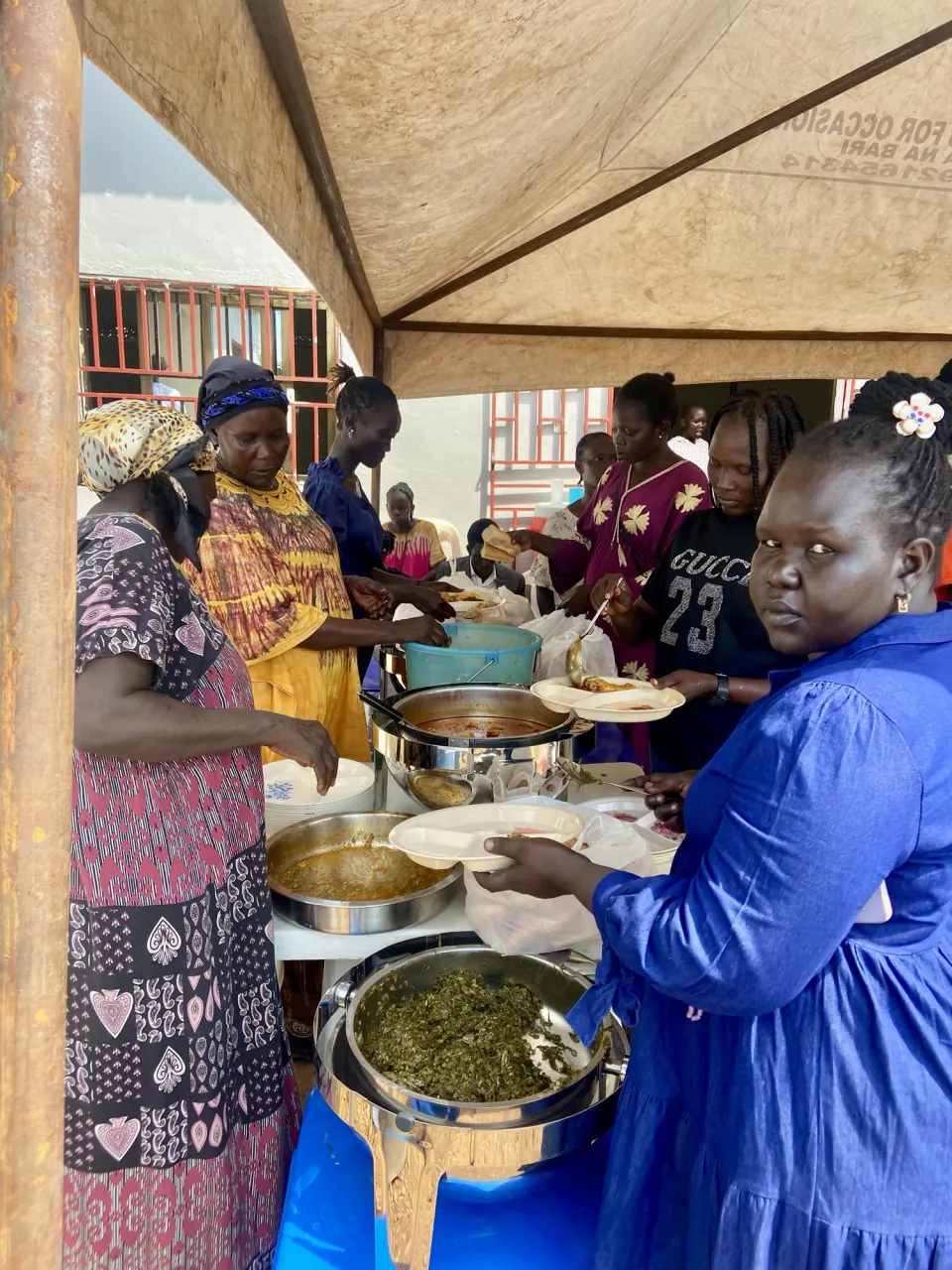
This teaching is free because people give.
Your gift sends medical missions, digs wells and feeds children through Chesed International.
Give to the ministryKeep reading
All teaching Faith
Signs of the Anointed Person: Discerning the Divine Touch
Signs of an anointed person include a deepening intimacy with God, a passion for Scripture and prophetic insight, spiritual gifts that build up others, the fruit of the Spirit, and a humble sense of calling that holds steady under spiritual opposition.
 God
What Does the Bible Say About Wildfires?
The Bible does not call wildfires a curse; it presents fire as part of God's created order that can also signal His presence, judgment, or refining work. Wildfires can be read as natural consequences and as a call to humility, stewardship, and trust in God.
 Faith
What Is Christian Revival? Biblical Meaning Today
Christian revival is a Spirit-led return to God marked by repentance, restored obedience, and renewed zeal for prayer, worship, and evangelism — first seen at Pentecost in Acts 2 and repeated throughout history from the Great Awakening to Azusa Street.