
The Power Of Fasting & Its Significance In Christianity

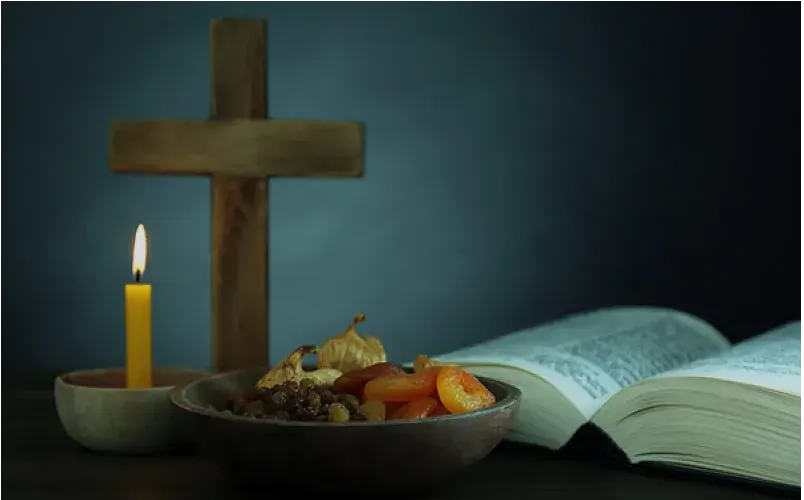
Christian fasting is voluntarily abstaining from food or another need for a set time to seek God more deeply — modeled by Moses, Elijah, Daniel, and Jesus — and it produces self-discipline, humility, spiritual renewal, and more focused, intensified prayer.
Biblical Foundation of Fasting
Fasting is the act of abstaining oneself from food or something else (listening to songs) during a particular period. Giving up on food doesn’t essentially mean not having food completely. It can be giving up on certain food as well. It depends on the believers who choose to carry out this divine act of discipline. You have the choice to fast for a particular period of the day or skip a meal. There are multiple ways to get closer to God through Fasting while getting the required physical nourishment for your health. It should be noted that though fasting finds its deep roots in the Bible, it is not mentioned directly in the holy scriptures. Instead, there are numerous references and instances where fasting was practiced by prophets, apostles, and even Jesus Christ himself. In Matthew 6:16, Jesus said, “When you fast, do not look somber as the hypocrites do, for they disfigure their faces to show others they are fasting.” Here, Jesus is teaching his discipline how to fast. Here, it is mentioned as a norm (when) rather than as an option (if). From the Old Testament to the New Testament, fasting is portrayed as a means of seeking God, repenting of sins, and experiencing His presence in a deeper way. Examples include Moses, Elijah, Daniel, and the apostles in the early church, all of whom engaged in fasting as a spiritual discipline.- Moses: After receiving the Ten Commandments from God on Mount Sinai, Moses fasted for forty days and forty nights (Exodus 34:28).
- Elijah: During a period of intense spiritual warfare, Elijah fasted for forty days and nights while journeying to Mount Horeb (1 Kings 19:8).
- Daniel: Seeking understanding and guidance, Daniel fasted for twenty-one days, abstaining from rich foods and meat (Daniel 10:2-3).
- Jesus: Before beginning His public ministry, Jesus fasted for forty days and nights in the wilderness, overcoming temptation (Matthew 4:2).
- Early Church: The early Christians practiced fasting as a regular spiritual discipline. In the book of Acts, the believers fasted and prayed before appointing leaders and sending out missionaries (Acts 13:2-3, 14:23).
- Paul: The apostle Paul mentioned his experiences with fasting in several of his letters. In 2 Corinthians 11:27, he speaks of fasting as a hardship he endured in his ministry.
- Jesus' Disciples: When Jesus' disciples were unable to cast out a demon from a boy, Jesus told them that certain kinds of demons could only be driven out by prayer and fasting (Mark 9:29).
Purpose and Benefits of Fasting
With fasting considered a spiritual discipline, it is important for believers to understand the purpose and benefits of fasting. In this section, we explore the benefits while shedding light on why this practice has relevance even today. By delving into the depths of this spiritual discipline, we hope to inspire a deeper understanding and appreciation for the role of fasting in nourishing the soul and fostering spiritual growth.Practice Self-Discipline
Fasting encourages believers to exercise self-control and detach themselves from worldly desires and distractions. It serves as a means to seclude oneself from worldly affairs. By denying the body's physical needs, individuals can focus their attention on nurturing their spiritual well-being and travel toward the path of God.Nurture Humility
As individuals learn to fast, they master the act of overcoming the evils within them. Fasting humbles the soul by recognizing our dependence on God and acknowledging our need for repentance and forgiveness. It acts as a catalyst for genuine introspection, confession of sins, and taking measures to move toward the Holy Spirit.Spiritual Renewal
Through fasting, believers can fill themselves with the Holy Spirit. It is a practice to live a Spirit-filled life. Fasting creates space for believers to seek God's guidance, clarity, and direction in their lives. It elevates our spiritual sensitivity, allowing for a deeper connection with God and a clearer understanding of His will.Intensified Prayer
You would have come across instances where Christians complete their fasting with prayers to God. This is because fasting itself is a spiritual practice. Hence, it is often accompanied by fervent prayer and intercession, amplifying the spiritual power behind these practices. It enables believers to focus their prayers on specific needs, both personal and communal.Different Forms of Fasting
Fasting takes on various forms within the practice of Christianity. Hence, they provide believers flexibility in their approach to this spiritual discipline. While the essence of fasting remains the same, the different forms of fasting allow individuals to tailor their approach based on their personal circumstances, health considerations, and spiritual goals. Understanding the different forms of fasting not only provides options for believers to engage in this transformative practice but also highlights the flexibility and adaptability of fasting within the Christian faith.Absolute Fast
In this form, individuals abstain from both food and water for a limited period, usually for a day or part of a day. It is considered a highly challenging form of fasting and is generally practiced for short durations.Partial Fast
Partial Fast is about restricting certain types of food or meals while maintaining a balanced diet. For instance, individuals may choose to eliminate specific foods, such as meat or sweets, or limit their calorie intake for a specific period.Daniel Fast
Inspired by the prophet Daniel's example in the Old Testament, this fast involves abstaining from certain foods (typically meat, sweets, and luxurious foods) and focusing on a diet consisting of fruits, vegetables, whole grains, and water.Intermittent Fast
This approach involves fasting for specific periods during the day or week. Commonly, believers adopt a pattern of fasting for a set number of hours each day or fasting on specific days of the week.Incorporating Fasting into Modern Christian Life
In the fast-paced and ever-evolving modern world, incorporating ancient spiritual practices into our daily lives can seem challenging. However, fasting remains as relevant and impactful today as it was centuries ago. While the concept of fasting may appear daunting or unfamiliar to some, integrating this practice into modern Christian life can be a transformative and deeply rewarding experience.Personal Disciplines
Fasting should be approached with a genuine desire to seek God and deepen one's faith. Christians can incorporate regular fasting into their spiritual disciplines by setting aside specific times for fasting and prayer and seeking guidance from spiritual mentors or pastors.Corporate Fasting
Congregations and Christian communities can also engage in corporate fasting, where a group of believers fasts together for a particular purpose or seek God's intervention in specific areas. This practice fosters unity and collective spiritual growth.Fasting and Feasting
Fasting should not be seen as solely depriving oneself but also as an opportunity to redirect our focus on God. Christians can combine fasting with times of celebration and feasting, such as Easter or other significant spiritual milestones.Precautions and Personal Considerations
While fasting can be a spiritually enriching practice, it is essential to approach it with wisdom and consideration. Factors such as age, health conditions, and personal circumstances should be taken into account. Individuals should consult medical professionals or spiritual advisors before embarking on extended or rigorous fasts.Conclusion
Fasting, deeply rooted in biblical teachings, continues to be a transformative spiritual discipline within Christianity. By embracing self-discipline, humility, and a deeper connection with God, believers can experience spiritual renewal, clarity, and a more intimate relationship with God. Whether through personal or corporate fasting, Christians have the opportunity to nourish their souls, grow in faith, and draw closer to the heart of God. Breath of the Spirit ministries helps believers to get closer to god and seek forgiveness for their sins. This holy spirit ministry encourages people to walk toward the path of God. May fasting become a vibrant and enriching practice for all who seek to follow Christ faithfully.How to Fast as a Christian in a Modern, Distracted World
Have you ever felt God calling you to fast, but the constant noise of life made it nearly impossible? You're not alone. In a February 2024 Pew Research survey, 21% of U.S. adults said they fast during holy times—and younger Christians are leading the way, with 61% of those aged 18–44 participating in practices like biblical fasting during Lent. Yet even with growing interest, many believers struggle to understand how to fast as a Christian in today’s hyperconnected, overstimulated world.
The truth is, fasting isn't outdated—it's divine. But distractions can cloud its purpose, and confusion around spiritual disciplines like prayer, Christian fasting, or even “what’s the difference between celibacy and abstinence?” can lead to frustration.
In this blog post, you’ll uncover the sacred meaning of fasting, identify modern-day obstacles, and receive practical, prophetic steps to help you reclaim your spiritual focus and align with God’s heart.
Understanding the Purpose of Fasting in Christianity
Fasting, in its biblical context, is not about deprivation for its own sake. It's a sacred act of surrender—setting aside physical needs to focus on spiritual ones. Christians fast to draw closer to God, seek His guidance, repent, or intercede for others. From Moses on Mount Sinai (Exodus 34:28) to Jesus in the wilderness (Matthew 4:1-2), fasting has served as a gateway to spiritual clarity and divine encounter.
Fasting in Christianity isn’t meant to be a performance or a ritual void of meaning. Jesus warns in Matthew 6:16–18 not to fast like the hypocrites who do it to be seen. Instead, the fast should be inward, humble, and focused on God. It’s an intimate way of aligning the heart with God's will, and it often goes hand-in-hand with prayer, scripture reading, and repentance.
It’s also helpful to understand fasting within the broader context of Christian disciplines like abstinence and celibacy. People often ask, “What’s the difference between celibacy and abstinence?” Celibacy refers to a long-term or permanent commitment to remain unmarried and sexually inactive, often for spiritual reasons. Abstinence, on the other hand, may refer to temporarily refraining from food, drink, or even intimacy—often during a fast—as an act of devotion.
Modern Distractions That Hinder Spiritual Focus

We live in a generation where silence is rare and solitude is often seen as unproductive. The digital age has redefined how we connect, consume information, and spend our time—but it has also made spiritual practices like biblical fasting more difficult to sustain. For those learning how to fast as a Christian, understanding these distractions is the first step toward overcoming them. While the early church fasted in quiet prayer and retreat, today’s believers must actively fight for spiritual focus amid a world of noise.
1. Social Media Overload
Instagram reels, TikTok trends, and endless scrolling can rob the soul of stillness. Social media creates a loop of comparison, distraction, and dopamine hits, which fragments attention and dulls the sensitivity needed for Christian fasting. Instead of seeking affirmation from God, many find themselves seeking likes, shares, and validation from people.
2. Entertainment Addiction
Streaming platforms and video games offer easy escape from reality—but they also become a counterfeit comfort. Binge-watching shows or plugging into podcasts can consume hours meant for prayer, meditation, or reading Scripture. Entertainment isn’t inherently evil, but during a fast, it can dilute the spiritual hunger that biblical fasting seeks to awaken.
3. Workaholism and Hustle Culture
Our culture celebrates busyness as a badge of honor. The hustle mindset convinces us that rest is laziness, and productivity becomes a false god. This makes it difficult to pause, reflect, or seek God in silence. For Christians, fasting requires stepping out of the rush and choosing intimacy with God over achievement.
4. Information Fatigue
The constant flood of emails, news alerts, texts, and updates overwhelms the mind. It becomes nearly impossible to hear the still, small voice of God when the world is shouting all around us. Christian fasting invites a holy detox—shutting out the noise to make room for divine wisdom and direction.
5. Dependence on Convenience
From fast food to same-day shipping, we are conditioned to expect instant gratification. Christian fasting, however, is a spiritual discipline that calls for endurance, patience, and delayed satisfaction. Learning how to fast as a Christian means embracing discomfort for a deeper reward—a heart aligned with heaven.
By naming these distractions, Christians are empowered to confront them—not with shame, but with intentionality. When we clear space in our schedules, our minds, and our hearts, we invite God to move powerfully. Christian fasting isn’t just about subtraction—it’s about creating room for divine presence.
Practical Ways to Prepare for a Fast Today
Fasting is not about deprivation—it’s about devotion. As you explore how to fast as a Christian, it’s important to approach the fast with intention, not impulse. The spiritual, mental, and physical preparation you do beforehand determines the depth of your encounter with God.
Below are essential ways to prepare for a meaningful fast in today’s world.
Set a Clear Intention
Before giving something up, decide what you’re truly going after. Ask yourself: Am I fasting to grow closer to God, receive spiritual breakthrough, or simply follow a tradition? When you establish a specific goal—like seeking clarity, healing, or revival—it keeps your spirit focused when your body wants to quit. Your “why” is the spiritual fuel that sustains your fast.
Choose Your Fast Type
The Bible describes various kinds of fasts, and there’s room for personalisation. Choosing the right type helps align your physical capacity with your spiritual hunger.
- Full Fast: Abstaining from all food, consuming only water or liquids.
- Daniel Fast: Eating only vegetables, fruits, and water (Daniel 10:3).
- Intermittent Fast: Limiting eating to certain hours of the day.
- Selective Fast: Cutting out specific items or meals (like sugar or caffeine).
- Non-Food Fast: Giving up entertainment, social media, or screen time to regain spiritual focus.
Ask God which type of fast He’s calling you to. The goal isn’t perfection—it’s obedience.
Start Small
If you’re new to fasting, there’s no shame in beginning with manageable steps. Trying to fast for days without building the discipline first can lead to burnout or discouragement. Start with one meal or one day.
Notice how your body and spirit respond. Over time, extend your fast as you feel led. Like faith, fasting grows through consistent practice.
Limit Digital Distractions
In our hyper-connected culture, screens are often more tempting than food. Fasting from meals while binge-watching Netflix or scrolling Instagram won’t lead to spiritual depth. Consider setting up boundaries during your fast:
- Use "Do Not Disturb" mode during prayer times.
- Uninstall or log out of social media apps.
- Replace screen time with worship music, sermons, or silent meditation.
Clearing out digital noise allows you to become more sensitive to God’s voice. For practical ways to deepen that sensitivity, explore these habits that help God answer your prayers.
Schedule Prayer and Devotion
Fasting without prayer is just dieting. Without communion with God, you miss the heart of the fast. Choose intentional times each day to press in spiritually.
Whether it's a morning devotion, midday Scripture reading, or evening journaling, make room to seek God. Let Scripture nourish your spirit the way food normally nourishes your body. As you pray, listen. Sometimes, the greatest breakthroughs happen in silence.
Tell Someone You Trust
While biblical fasting is deeply personal, it’s also powerful when supported by community. Share your Christian fasting goals with someone who can walk with you in faith—quietly, reverently, and without judgment. A trusted confidant can offer prayer support, encouragement, and check-ins. Just avoid making your fast a public spectacle; the goal is spiritual accountability, not attention.
What to Do After the Fast Ends
The end of a fast is not the end of spiritual growth. In fact, it can be the beginning of lasting transformation. Once the fast concludes, it’s essential to re-enter regular routines with intentionality.
- Break the fast gently: If it was a food fast, reintroduce meals slowly. Avoid heavy or rich foods that can shock your system.
- Reflect on your experience: Journal what you learned, how God spoke to you, or what breakthroughs occurred.
- Continue in spiritual habits: Maintain the rhythm of prayer, stillness, and scripture reading even after the fast is over.
- Celebrate your obedience: Rejoice in the discipline you practiced. It’s not about perfection but about pressing into God.
- Listen for next steps: God may reveal clarity, guidance, or insight during your fast that prompts action afterward.
By reflecting and responding to what God revealed, you carry the fruit of fasting into the rest of your spiritual life. If you're ready to go deeper, explore this powerful guide on how to encounter with God and recognize His voice.
Frequently Asked Questions About Christian Fasting
What are the rules for Christian fasting?
Christian fasting should be done with humility and sincerity, not for public display (Matthew 6:16-18). The focus is to draw closer to God through prayer and abstinence, whether from food or distractions. There are no rigid rules—only biblical principles and personal conviction.How do you properly fast for God?
To fast properly, set a spiritual purpose and prepare your heart through prayer. Limit distractions, spend time in Scripture, and seek God’s presence throughout. Fasting without prayer is just going hungry.How many hours should a Christian fast?
There’s no fixed duration for biblical fasting. Some fast for a few hours, while others fast for 24 hours or more depending on their spiritual goals and physical ability. Start small and grow as the Spirit leads.Final Thoughts on How to Fast as a Christian in a Modern World
Fasting is a divine call to draw closer to God, but modern distractions like social media, entertainment, and hustle culture can hinder spiritual focus. This blog explores the sacred purpose of Christian fasting, offering practical steps to overcome obstacles. Set clear intentions, choose a fast type, limit digital noise, and prioritize prayer. Post-fast, reflect, break gently, and carry spiritual habits forward. Embrace fasting as devotion, not deprivation, to align with God’s heart.
Start small with a one-day fast, set a spiritual goal, and journal your experience. Trust God’s guidance.
Join Breath of the Spirit—submit prayer requests, subscribe to our newsletter, or support our mission with a donation at BreathoftheSpirit.org.
Let’s seek God together!
Christian Fasting: Understanding the Practice, Methods, & History
Christian Fasting: A Tradition Rooted in the Early Church Fathers
Fasting, a spiritual practice deeply rooted in Christianity, involves abstaining from food to seek God's presence and help. While not explicitly commanded, Jesus implied its importance for believers. It's a powerful way to demonstrate humility, repentance, and a desperate need for God's intervention.
The practice of Christian fasting, abstaining from food for spiritual purposes, boasts a rich history that stretches back to the very beginnings of the church. The early Church Fathers, revered theologians and leaders who shaped Christian thought after the apostles, not only observed fasting themselves but also saw it as a vital practice for believers.
Fasting as a Spiritual Discipline
These early leaders viewed fasting not as a legalistic obligation, but as a powerful tool for spiritual growth and drawing closer to God. Here's how some key figures emphasized its importance:
- Tertullian (160-225 AD): He believed fasting expressed sorrow for sin and a yearning for God's help, mirroring the example of Nineveh's repentance (Jonah 3).
- Augustine (354-430 AD): Augustine encouraged regular fasting as a means to subdue the flesh and cultivate humility before God (Psalm 69:10).
- John Chrysostom (347-407 AD): Chrysostom emphasized fasting's role in enhancing prayer, stating that "fasting is the nourishment of prayer" (Homily 8 on Matthew).
Christian Fasting Spiritual Benefits
- Deeper connection with God: Fasting helps us focus on God rather than worldly distractions.
- Spiritual Growth: It fosters humility and helps overcome the flesh.
- Intensified Prayer: Fasting adds urgency and earnestness to our prayers.
- Seeking Guidance and Deliverance: Helps gain clarity in times of crisis.
Practical Christian Fasting Tips
- Medical Considerations: Always consult a doctor before long or intense fasts, especially if you have health conditions.
- Start Gradually: Begin with partial or one-day fasts.
- Focus on God: Use the additional time for prayer and Scripture reading.
- Breaking the Fast: Resume eating gradually to avoid digestive problems.
Fasting isn't about earning God's favor but rather a way to show our desperate reliance on Him.
What are the rules of fasting in Christianity?
Unlike some other religions, Christianity doesn't have a rigid set of rules for fasting. Here's the focus:
- Heart over Rules: The emphasis is on the spirit of fasting – seeking closeness to God and humbling yourself before Him, rather than adhering to strict legalism.
- Personal Guidance: While the Bible provides examples, Christians have the freedom to fast in ways that suit their health and spiritual needs. It's encouraged to seek guidance from a pastor or spiritual advisor.
Fasting Practices in the Early Church
- Fasting Wednesdays and Fridays: Many Christians abstained from food until 3 pm on Wednesdays and Fridays, commemorating Jesus' betrayal and crucifixion.
- Preparation for Feasts: Fasting often preceded major Christian celebrations like Easter and Pentecost, intensifying anticipation and spiritual focus.
- Personal Needs and Guidance: Fasting was also undertaken in response to personal struggles, seeking God's direction or intervention in difficult times (Acts 13:1-2).
Fasting Today As Christians
The early Church Fathers' emphasis on Christian fasting continues to resonate with many believers today. Although specific practices may differ, the core purpose remains: to deepen our connection with God, express dependence on Him, and prepare ourselves for His Wirken (German for Wirken: working or activity) in our lives.
What is the fasting method for Christians?
There are several common fasting methods for Christians:
- Full Fast: Abstaining from all food and drinking only water.
- Partial Fast: Reducing the amount of food eaten or restricting yourself to specific types of food (like the Daniel Fast).
- Liquid Fast: Consuming only liquids, such as juice and broth.
- Intermittent Fasting: Abstaining from food for set hours of the day or for specific days of the week.
How long do Christians fast for?
Christian fasting durations vary depending on the goal and the individual:
- Short Fasts: A single meal for several hours or an entire day.
- Extended Fasts: Multiple days or a week, often under spiritual guidance.
- 40-Day Fasts: Mirroring Jesus' fast, rarely undertaken and only with medical supervision and spiritual guidance.
What is the Christian tradition of fasting?
The Christian tradition of fasting is rooted in:
- Old Testament Examples: Prophets and leaders like Moses and David fasted during times of need or spiritual preparation.
- Jesus' example: Jesus fasted for 40 days and emphasized the spiritual significance of fasting.
- Early Church Practice: The early Church Fathers saw fasting as essential for spiritual growth and overcoming the flesh.
Christian Fasting in The Old Testament
- Exodus 34:28 - "Moses stayed forty days and forty nights with the Lord and neither ate bread nor drank water. He wrote on the tablets the words of the covenant, the Ten Commandments." (This verse highlights Moses' fasting experience while receiving God's commandments)
- 1 Samuel 7:6 - "When Samuel saw all the Israelites assembled, he pleaded with the Lord for Israel." (While not explicitly stating fasting, this verse mentions Samuel pleading with the Lord, which could have involved fasting)
- 2 Chronicles 20:3 - "When Jehoshaphat heard this, he set his face to seek the Lord and proclaimed a fast throughout all Judah." (This verse describes a national fast called by King Jehoshaphat in response to a looming threat)
- Esther 4:16 - "Go, gather all the Jews who are present in Shushan, and fast for me; neither eat nor drink for three days, night or day. I and my maids will fast as well. And so I will go to the king, which is against the law; and if I perish, I perish!" (Esther calls for a fast before approaching the king for a seemingly impossible request)
- Jonah 3:5 - "Then the people of Nineveh believed God, proclaimed a fast, and dressed in sackcloth, from the greatest of them to the least of them." (The entire city of Nineveh fasted in repentance after hearing Jonah's message)
Christian Fasting in The New Testament
- Matthew 4:1-2 - "Then Jesus was led by the Spirit into the wilderness to be tempted by the devil. And after fasting forty days and forty nights, he was finally hungry." (Jesus Himself fasted for 40 days and nights in the wilderness)
- Matthew 6:16-18 - "“And when you fast, do not look gloomy like the hypocrites, for they disfigure their faces that their fasting may be seen by others. Truly, I say to you, they have received their reward. But you, when you fast, anoint your head and wash your face, that your fasting may not be seen by others but by your Father who is in secret. And your Father who sees in secret will reward you.” (Jesus emphasizes the importance of sincere fasting before God, not for outward appearances)
- Acts 13:2-3 - "While they were worshiping the Lord and fasting, the Holy Spirit said, “Set apart for me Barnabas and Saul for the work to which I have called them.” Then after fasting and praying and laying their hands on them, they sent them off." (The church fasted and prayed before sending out Barnabas and Saul on their missionary journey)
- 1 Corinthians 9:27 - "But I discipline my body and keep it under control, lest after preaching to others I myself should be disqualified." (While not directly related to fasting, this verse highlights the Apostle Paul's self-discipline, which could potentially include fasting)
Conclusion on Christian Fasting
Christian fasting, the practice of abstaining from food for spiritual purposes, is a deeply ingrained tradition in Christian history, dating back to the early church. Leaders like Tertullian, Augustine, and John Chrysostom emphasized fasting as a way to demonstrate humility, repentance, and a deeper focus on God. Early Christians fasted regularly and in response to spiritual needs. Even today, fasting remains a powerful tool for spiritual growth, helping believers connect with God, express dependence on him, and prepare for His Wirken (German for working or activity) in their lives. If you want to deepen your spiritual walk, consider consulting with your religious leaders, reading resources on the topic, and carefully experimenting with different fasting methods.10 Myths About Fasting In Christianity
What is fasting in Christianity?
Fasting is the voluntary practice of abstaining from food or certain activities for a specific period of time. Why is it done? It is done with the intention of drawing closer to God, seeking guidance, and deepening one's spiritual connection. It is a discipline that involves both the physical act of refraining and the spiritual act of seeking God's presence. In the Bible, fasting is mentioned and practiced by various figures, including Jesus Christ Himself. Fasting is not merely about abstaining from food; it is a heart posture of humility, repentance, and dedication to seeking God's will.Why is fasting significant in Christianity?
Fasting in Christianity is a personal and spiritual journey that varies in duration and practice. Basically, it is to cultivate a deeper relationship with God. And what are the other benefits of fasting? Let us see it here.- Fasting is a spiritual discipline aimed at detaching from worldly distractions and cultivating a deeper connection with God.
- When you voluntarily give up on something, such as food, during your fasting, you practice self-discipline and self-control.
- Fasting intensifies your prayer and reflection to seek His guidance.
- It can also be a way to express sorrow for your sins and demonstrate repentance.
Myth 1: Fasting is only about abstaining from food.
Fact: Fasting is not all about physical deprivation, it is a spiritual discipline. Matthew 6:16-18 (NIV) advises against the outward show of fasting. Instead, maintain a normal appearance, fasting privately to be seen by God, not others. While refraining from food is a common facet of fasting, its scope extends to a broader canvas. Christians also embrace fasting as a means of drawing nearer to God by abstaining from various activities or behaviors. It's a personal and discreet connection with the Divine, underscoring the spiritual transformation that unfolds beyond the surface level.Myth 2: Fasting is a way to earn God's favor or blessings.
Fact: Fasting is not a means to manipulate God into granting specific requests or favors. The essence of fasting is illuminated in Isaiah 58:6-7 (NIV), where it is conveyed that fasting isn't a tool for manipulating God into fulfilling desires or bestowing favors. Rather, it is to break the chains of injustice, to share food with the hungry, or to provide shelter to the wanderer. It is evident in the Bible that fasting is a practice meant to deepen one's relationship with God and seek His will.Myth 3: Fasting is only for spiritual elites or religious leaders.
Fact: Fasting is a practice meant for all believers, an invitation extended to each and every heart that seeks to draw nearer to God. In the book of Joel, a prophetic call resounds across the ages, declaring the universality of fasting as a means of seeking God. Joel 2:12 (NIV) urges a heartfelt return to God through fasting, weeping, and mourning. This proclamation isn't aimed solely at the spiritually advanced or the religiously distinguished; it is a call to every individual, a beckoning for all believers to turn their hearts toward God through the practice of fasting. Throughout the Bible, from the Old Testament to the New Testament, we find examples of ordinary individuals engaging in fasting as a means to draw near to God, seek His guidance, and express repentance.Myth 4: Fasting secures God’s blessings.
Fact: God's blessings are given out of His grace, not earned through acts like fasting. Fasting can be a way to humble oneself and seek God's guidance, but in no way does it guarantee specific blessings. Fasting isn't a means of manipulating God for answered prayers, as Ephesians 2:8-9 (NIV) emphasizes salvation by grace through faith, not works. Fasting is about seeking God's will with a genuine heart.Myth 5: Fasting makes you spiritual.
Fact: True spirituality involves a deeper transformation of the heart. Fasting alone doesn't automatically make you more spiritual. Romans 12:2 (NIV) teaches us not to follow worldly norms but to transform our minds for God's perfect will. The Bible says that genuine spirituality encompasses a broader commitment to living according to God's principles. Fasting is a way to focus your attention on God and cultivate spiritual disciplines, but there is much more to spirituality than just fasting.Myth 6: Accidental eating ends your fast.
Fact: Accidental consumption during a fast does not necessarily invalidate your efforts. It’s about the intention of your heart. Psalm 139:23-24 (NIV) implores God to examine the heart, reveal anxieties, and guide us on the path of eternity. Fasting is about your heart's posture and desire to seek God, even if accidents occur. Continue your fast with a focus on God.Myth 7: Fasting should always be a private and secretive act.
Fact: It is true that Jesus emphasized the importance of not showing others that you are fasting. The meaning was that the intention had to be pure and not boisterous. But there are instances in the Bible where communal fasting is practiced. In Acts 13:2–3 (NIV), the early church engaged in fasting as a group. During worship and fasting, the Holy Spirit directed the setting apart of Barnabas and Saul for a specific task. After fasting and praying, they were commissioned and sent forth. Participate in communal fasting not to earn praise but to be guided by like-minded people to help you seek His blessings.Myth 8: Fasting is compulsory.
Fact: The Bible says that whatever you do, it should be undertaken willingly and with the right heart. Colossians 2:20-23 (NIV) warns against adhering to human regulations, emphasizing that they lack true spiritual value and fail to curb indulgence. Here, any artificial show of faith is strongly discouraged. While some Christian traditions encourage fasting, it is not mandatory. It is a voluntary act of devotion and not a universal requirement for all Christians.Myth 9: Fasting doesn’t do any good.
Fact: Fasting, when approached with the right heart and intention, can have spiritual benefits. Psalm 35:13 (NIV) describes using fasting and humility in times of illness, even when prayers seem unanswered. You can use this as a pivot to gain insights into your spiritual journey. Fasting can help you develop self-discipline and redirect your focus on God. Remember, it is not the fasting that matters. It is the intent behind it. And any task done with a pure heart doesn’t go unrewarded. Fasting can enhance your prayer life by helping you align your desires with God's purposes, but answers to prayers are ultimately determined by God's wisdom.Myth 10: Fasting is an outdated practice and no longer relevant today.
Fact: Fasting remains a relevant spiritual discipline in Christianity even today. Jesus Himself fasted (Matthew 4:1-11), and the New Testament mentions fasting as a part of the early church's practices (Acts 13:2-3, 1 Corinthians 7:5). Use it to seek His guidance and grow in spiritual maturity. Fasting can never be an outdated concept. In fact, it is much more relevant in a materialistic world today.Wrapping Up
There is a deeper meaning to the power of fasting and prayer in Christianity. Fasting should be done with humility and a sincere desire to draw closer to God. It's not about gaining special treatment but about deepening your relationship with Him. If you want to be guided on the right path, be associated with the Breath of the Spirit. The ministry aims to empower people spiritually and help them fulfill their destiny through the anointing and God's Word. Dr. Michelle Corral, the founder of this international ministry, is also a pastor, teacher, and author who has traveled to several countries to train leaders and minister to people. Through adherence to God’s Word and the anointing of the Holy Spirit at the Breath of the Spirit, you can experience spiritual transformation, find purpose, and fulfill your destiny in alignment with God's plan for your lives.The Power of Fasting and Prayer
Importance of Fasting
Fasting is not merely a religious ritual that is carried out as a duty, it is devotion; it is a profound spiritual discipline with deep biblical roots. By denying ourselves and our physical needs, we are humbling ourselves before God. During fasting, we are focusing only on Him. Our hearts and minds are devoted to Him. It is an act of surrender and dependency where we recognize that our life is dedicated to God and our strength comes only from him. It is a powerful expression of devotion and a way to express our hunger for a deeper relationship with God.When To Fast?
There is no specific time to fast. It is a personal choice and individuals practice fasting to get closer to God. However, there are certain seasons and circumstances that call for specific fasting periods. Below, we have listed a few significant moments where one can fast.Seeking Spiritual Breakthrough
When we face challenges, hurdles, or situations that are beyond our capabilities and require divine intervention, fasting and prayer is the best way to find solutions. Like how apostles, disciples, and others sought God’s guidance and help through fasting in the Bible, we also can approach Him with fasting when we require help in our lives. Fasting demonstrates our desperation for His intervention and aligns our hearts with His will, positioning us to experience His power and provision.Times of Repentance
Fasting has a purifying effect on our spiritual lives and rejuvenates them with light. When we recognize areas of sin, bondage, or lethargy in our lives, fasting can be a medium for repentance, revival, and renewal. By willingly sacrificing our physical nourishment, we show God our sincerity and desire for transformation and guidance toward the right path. Fasting creates space for God to reveal hidden sins, leading us to genuine repentance and restoring our passion and devotion for Him.Discerning God's Will
God is always at the front leading us on the right path. However, worldly affairs prevent us from hearing his voice of righteousness and divert our path. Fasting and prayer provide clarity and sensitivity to God's voice. When faced with important decisions, fasting helps quiet the noise of the world and our own desires, enabling us to discern God's leading more effectively. By abstaining from distractions through fasting, we position ourselves to hear His voice and receive guidance in accordance with His perfect will.Times of Intense Intercession
When we are in dire need of others and unable to manage the burden, fasting, and prayers come to our rescue. It deepens our compassion, increases our spiritual authority, and aligns our hearts with God's heart for those we are praying for. Fasting helps us prioritize intercession, recognizing that the battles we fight are not against flesh and blood but against spiritual forces. Hence, through fasting, one can strengthen their intercession.The Power of Fasting and Prayer
Fasting and prayer hold extraordinary power in the spiritual realm. They have the capability to change the lives of people and guide them to the holy kingdom of Jesus. Fasting and prayer start with internal cleansing followed by the path toward God. When we engage in this discipline with a humble and sincere heart, incredible things happen.Overcome Obstacles
There are instances in life when we come across hurdles that challenge our willpower and make us question our beliefs. When we come across hardships, it is best to practice prayer and fasting. The combined power of fasting and prayer breaks through spiritual barriers that create a void in our hearts, thereby, releasing God's power and enabling us to overcome obstacles that seemed unconquerable. They dismantle barriers, and obstacles, break addictions, and bring deliverance. As we persist in fasting and prayer, we witness unimaginable growth and transformation of lives and circumstances by the mighty hand of God.Spiritual Sensitivity
Fasting along with prayer makes us sensitive to the voice of God. You can feel His presence and find Him guiding you in life. As we deny our physical appetites for a specific period of time, our spiritual senses become more attuned to His leading. This combined with Prayer during the fasting period further enhances spiritual sensitivity. We experience heightened discernment, clarity, and revelation of our life and our purpose. Fasting and prayer enable us to walk in step with the Holy Spirit, perceiving the spiritual realm more clearly with a deeper understanding.Deepened Relation With God
As Christians, we aim to build a deeper relationship with God. Everything we do and seek is to get closer to God and join His holy kingdom of peace and righteousness. Fasting and prayer are effective ways to attain that through abstinence from worldly affairs and embarking on the divine journey. Fasting and prayer cultivate intimacy with God. As we set aside time to seek Him, we draw near to His heart. Fasting allows us to hunger for God's presence, His Word, and His love. In return, He meets us with an outpouring of His grace, peace, and joy, satisfying the hunger of our souls.Strengthened Faith
When we are facing hurdles in life, we are put through a test where we question our belief in God. During these hardships, we may feel the pressure to question our beliefs and enclose ourselves in darkness. Fasting and prayer strengthen our faith in God and his decisions. It makes us realize that everything happens for a reason. Fasting and prayer deepen our trust in God and reinforce our dependence on Him. Through the act of fasting, we declare that He is our ultimate provider and sustainer. As we rely on Him for physical sustenance during the fast, our faith grows, and we become more confident in His unfailing love and care for every aspect of our lives.Conclusion
The power of fasting and prayer is undeniable. When approached with humility, sincerity, and a heart completely surrendered to God, fasting and prayer have the ability to bring about supernatural breakthroughs, revival, and deepen our relationship with God. May we never underestimate the significance of fasting and prayer as we seek to draw closer to God, experience His power, and align our lives with His divine purposes. Let us embark on this transformative journey of fasting and prayer, trusting that God will meet us in an extraordinary way through Breath of the Spirit holy ministries.Common questions
What is fasting in Christianity?
Fasting is voluntarily abstaining from food (or something else) for a set period to draw closer to God. It doesn't require giving up food entirely — you can fast a meal, a type of food, or a set number of hours, as long as the focus stays on seeking God.
What does the Bible say about fasting?
Though never commanded as mandatory, fasting appears throughout Scripture as a norm for seeking God. In Matthew 6:16, Jesus assumes His disciples will fast, saying "when you fast," not "if." Moses, Elijah, Daniel, and the early church all fasted to seek God's presence and guidance.
What are the different types of Christian fasting?
Common forms include the absolute fast (no food or water, usually one day), the partial fast (restricting certain foods), the Daniel Fast (fruits, vegetables, and water, modeled on Daniel 10:2-3), and intermittent fasting (set hours or days each week).
What are the benefits of fasting?
Fasting builds self-discipline, nurtures humility by reminding us of our dependence on God, opens the door to spiritual renewal, and intensifies prayer by focusing our attention on specific needs. It's less about denying the body and more about seeking God's guidance and presence.
Did Jesus fast?
Yes. Before beginning His public ministry, Jesus fasted for forty days and nights in the wilderness, where He overcame temptation from Satan (Matthew 4:2). His example, along with Moses' and Elijah's forty-day fasts, shapes the biblical pattern of fasting.

This teaching is free because people give.
Your gift sends medical missions, digs wells and feeds children through Chesed International.
Give to the ministryKeep reading
All teaching Faith
Signs of the Anointed Person: Discerning the Divine Touch
Signs of an anointed person include a deepening intimacy with God, a passion for Scripture and prophetic insight, spiritual gifts that build up others, the fruit of the Spirit, and a humble sense of calling that holds steady under spiritual opposition.
 Faith
What does the Bible say about Empowerment?
The Bible teaches that true empowerment comes from an intimate relationship with God — it's the Holy Spirit filling and equipping believers with power, gifts, and boldness, as in Acts 1:8: "You will receive power when the Holy Spirit comes on you."
 Faith
Revival Scriptures: Bible Verses for Spiritual Awakening
Revival scriptures are Bible verses that call believers back to spiritual awakening — foundational ones include Psalm 85:6, 2 Chronicles 7:14, and Isaiah 57:15, which promise God revives the humble heart, forgives sin, and pours out His Spirit on dry, weary places.