
How to Help Poor People Through Donations on Different Platforms


Have you ever wondered how to help poor people in a way that creates real and lasting change? If you have asked yourself how can I help the poor, you are not alone. Learning how to help poor people starts with understanding the scale of the crisis and choosing the right way to respond.
As of mid 2025, the World Bank raised the global extreme poverty line to 3.00 dollars per day, which means millions survive on less than that amount. At the same time, 1 in 11 people worldwide face hunger every day. The problem is not only lack of compassion but lack of clear guidance on helping to poor communities effectively.
In this blog post, we’ll talk about practical donation platforms and strategies that can help someone in need and turn your generosity into measurable impact.
Why Donations Are Crucial for Helping the Poor
Donations are more than financial support; they are a lifeline for millions of people worldwide. Research shows that targeted donations can improve access to clean water, nutritious food, education, and healthcare, helping break cycles of poverty over time. When you contribute, you are not just giving money; you are empowering communities to build sustainable solutions.
Helping to poor communities through donations also creates a ripple effect. A single donation can fund multiple programs, from feeding families to providing school supplies for children, and even supporting vocational training programs that teach skills for long-term independence. For individuals looking to answer the question how to help poor people, understanding the tangible outcomes of your donations can guide more effective giving.
Key benefits of strategic donations include:
- Immediate Relief: Supports emergency needs like food, shelter, and medical care.
- Long-Term Development: Funds education, job training, and infrastructure projects.
- Community Empowerment: Strengthens local organizations that provide consistent support.
When choosing how to help poor people, it is essential to focus on platforms that are transparent, accountable, and capable of delivering measurable results.
Crowdfunding and Online Giving Platforms That Work
In the digital age, online platforms have made it easier than ever to donate to those in need. Crowdfunding websites and online giving apps allow you to connect directly with individuals or communities seeking assistance. This approach also enables donors to track how contributions are used, providing greater transparency.
Popular platforms include:
- GoFundMe: One of the largest crowdfunding platforms, ideal for personal causes or emergency relief.
- GiveSendGo: A faith-friendly platform for supporting individuals and mission-driven projects.
- GlobalGiving: Focuses on funding projects around the world, including education, health, and economic development programs.
When using these platforms, consider the following tips:
- Verify the campaign: Check reviews, updates, and legitimacy before donating.
- Understand the impact: Read descriptions carefully to know how your money will be used.
- Start small and scale: Test with smaller donations before committing larger amounts to ensure trust and effectiveness.
Online platforms can also help you help someone in need locally or internationally, depending on the project or campaign focus. Many offer recurring donation options to support long-term programs, increasing the sustainability of your contributions.
Faith-Based Giving: Supporting Christian Ministries and Humanitarian Aid
Faith-based giving is a powerful way to support communities in need while aligning donations with spiritual values. Christian ministries and humanitarian organizations often provide holistic programs that combine food assistance, education, healthcare, and spiritual support. Donating to faith-based organizations ensures that your contribution reaches those who might otherwise be overlooked.
Some effective ways to give through faith-based channels include:
- Partnering with local church outreach programs that provide food banks, shelters, and counseling services.
- Supporting international Christian humanitarian organizations that focus on clean water, health clinics, and schooling in underserved areas.
- Participating in mission trips or campaigns that allow donors to see the impact of their giving firsthand.
Faith-driven platforms often emphasize accountability and transparency, ensuring that funds reach the intended beneficiaries. By supporting these programs, you contribute to both immediate relief and long-term development, showing a compassionate and strategic approach to helping to poor communities.
For readers interested in partnering with Christian humanitarian efforts, organizations like Breath of the Spirit’s Christian aid partners offer structured ways to contribute safely and effectively.
Maximizing Your Donations Safely and Effectively
Maximizing your donations requires more than good intentions. If you truly want to understand how to help poor people in a way that creates measurable results, you need a clear plan. Many people ask, how can I help the poor without wasting resources or falling for scams. Strategic giving answers that concern. When you evaluate organizations carefully, structure your donations wisely, and monitor results, you move beyond emotional giving and step into impact driven generosity. Helping to poor communities becomes far more effective when you treat your contributions as long term investments in people’s lives rather than one time transactions.
To strengthen your giving strategy, focus on these key practices:
- Research organizations thoroughly: Review financial reports, leadership transparency, program outcomes, and third party ratings to confirm accountability.
- Choose recurring donations when possible: Monthly support allows nonprofits to plan budgets, expand programs, and serve families consistently.
- Diversify your giving approach: Support both emergency relief and long term development projects such as education, job training, and healthcare access.
- Track measurable outcomes: Look for progress updates, impact reports, and stories that demonstrate how funds directly help someone in need.
- Prioritize secure platforms: Donate through encrypted websites and verified payment systems to protect your financial and personal information.
- Align donations with clear goals: Decide whether you want to focus on hunger relief, child sponsorship, housing, or medical missions so your impact stays intentional.
When you apply these principles, your generosity produces lasting change. The goal is not simply to give more but to give wisely. Combining discernment with compassion helps you answer the question of how to help poor people in a way that strengthens communities, empowers families, and creates sustainable transformation for those who need it most.
You can further strengthen your outreach efforts and support families in practical ways by exploring the benefits of drop off donation bins. This offers a simple and consistent opportunity to help someone in need within your local community.
Frequently Asked Questions
How can we help the poor people?
You can help poor people by supporting trusted charities, donating essential goods, volunteering your time, and advocating for community programs. Consistent and strategic giving creates both immediate relief and long term opportunities for families in need.What are some ways to help poor people?
Donate through verified platforms, contribute to local food banks, sponsor education programs, and support job training initiatives. Small but consistent actions can help someone in need and strengthen entire communities.How to solve the problem of poverty?
Solving poverty requires a combination of economic opportunity, access to education, healthcare support, and community development. Sustainable solutions focus on empowerment and long term growth rather than short term aid alone.Final Thoughts on How to Help Poor People Through Donations on Different Platforms
Understanding how to help poor people requires more than sympathy. It calls for informed decisions, trusted platforms, and consistent action. Throughout this guide, you learned how strategic giving, online donation tools, and faith-based outreach can help someone in need while creating long-term change. Real impact happens when generosity meets accountability and purpose.
Now you can take the next step with Breath of the Spirit. Submit your prayer requests to let us support you spiritually. Stay updated and inspired by signing up for our newsletter. If you are ready to make a tangible difference, contribute through our donation page to support families and communities in need.
Your generosity and faith can create hope, restore dignity, and transform lives today.
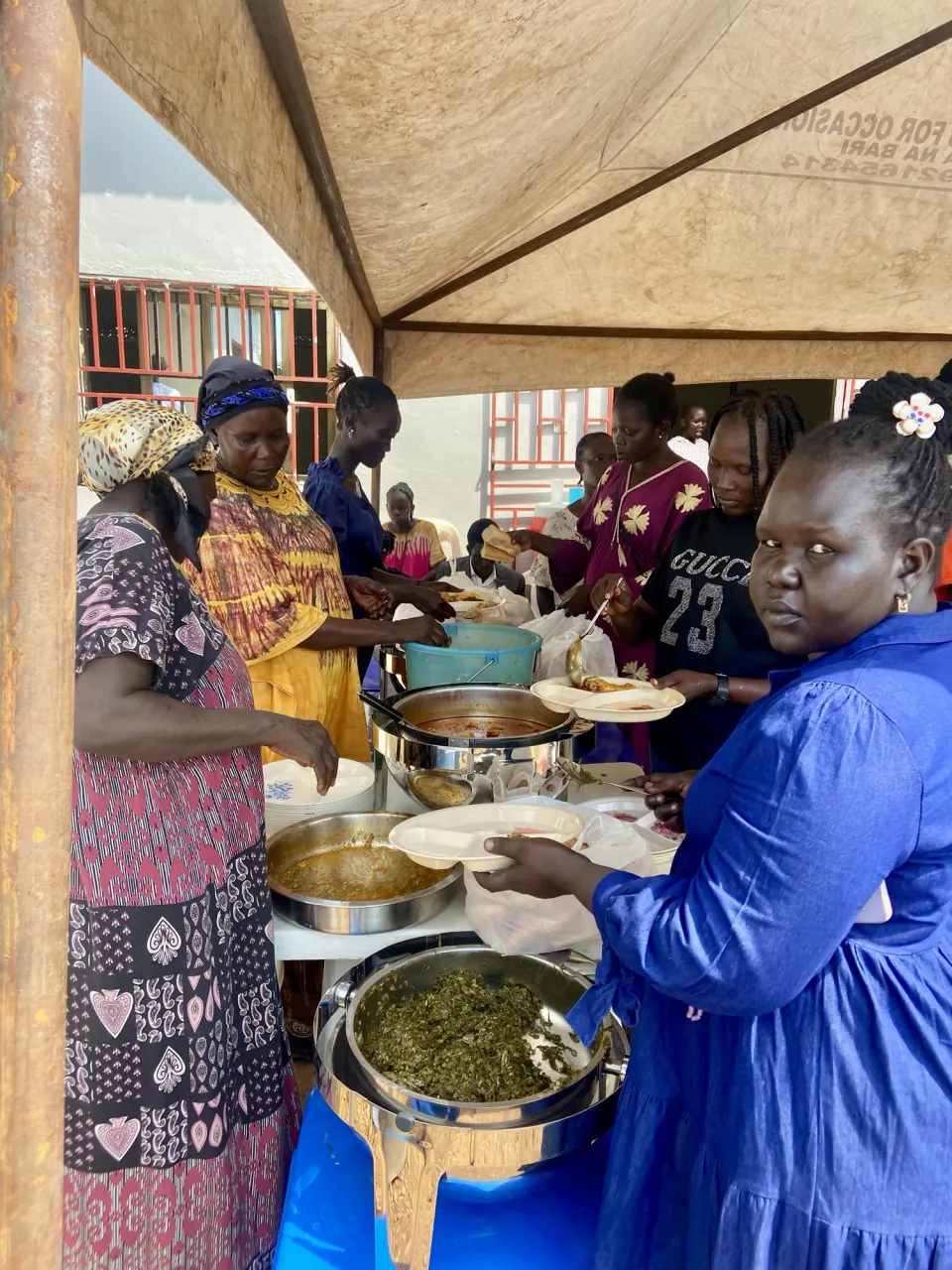
This teaching is free because people give.
Your gift sends medical missions, digs wells and feeds children through Chesed International.
Give to the ministryKeep reading
All teaching God
Does Prayer Change Things? Biblical Verses About Prayer
According to Scripture, prayer does change things, not by altering God's unchanging plans, but by aligning our hearts with His will, and it produces real effects: James 5:16 says "the fervent prayer of a righteous person is powerful and effective."
 Life
How Christian Organizations Help the Poor
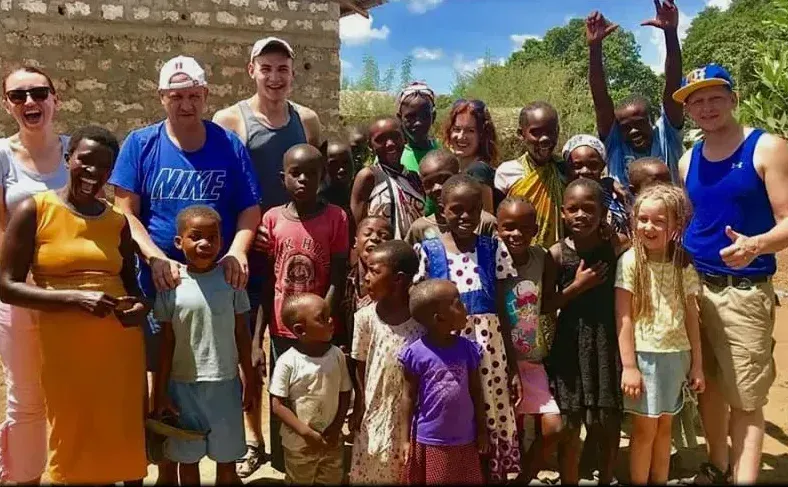
Christian organizations help the poor through daily feeding programs, food banks, education and vocational training, water well and disaster relief projects, and medical care, acting on Matthew 25:40's call to serve "the least of these."
 God
Encounter with God: How to Seek and Recognize His Voice
You recognize God's voice by cultivating consistent fellowship with Him through Scripture, prayer, and stillness — just as Psalm 25:14 says, "The Lord confides in those who fear Him," so intimacy grows the more time you spend with Him.