How Churches and Nonprofits Benefit From Drop Off Donation Bins

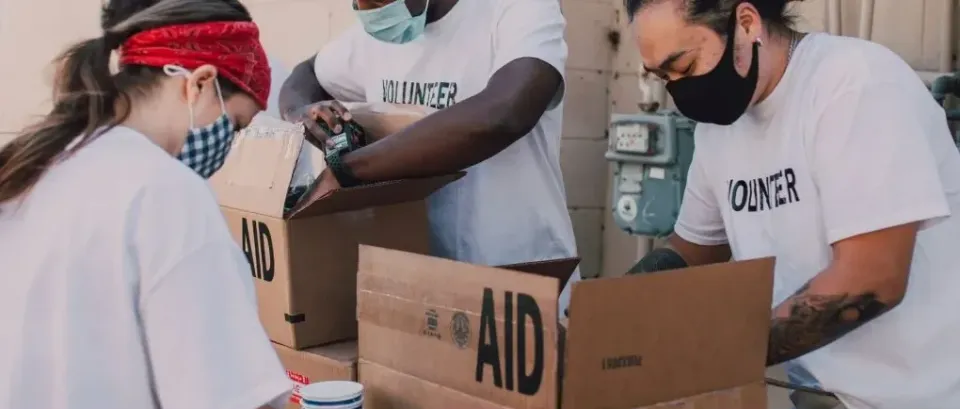
Have you ever wondered what happens to the clothes and household items people no longer use? Drop off donation bins provide a simple way for communities to give back while keeping usable items out of landfills. On average, Americans discard about 81.5 pounds of clothing each year, creating both waste and missed opportunities to support those in need.
Many churches and nonprofits rely on these contributions to supply 100% of the inventory for their thrift operations, which allows them to use cash donations for direct services instead of overhead.
Yet, without convenient access to donation points, many potential contributions never reach the organizations that could benefit from them.
In this blog post, we explore how drop off donation bins help churches and nonprofits maximize donations, reduce costs, and strengthen community engagement. We will also cover tips for finding a church donation box near me, ideal clothing donation bins locations, and the role of donation barrels in effective giving.
Expanding Donation Access Beyond Service Hours
Traditional donation methods often require donors to visit an office or attend a specific service, limiting opportunities for contributions. Drop off donation bins eliminate this barrier by providing a secure location where donations can be made at any time, day or night.
For churches, having a church donation box near me readily accessible encourages members and community supporters to contribute even when they cannot attend services. Nonprofits also benefit because these bins allow donors from different neighborhoods to participate in charitable giving without navigating office hours or scheduling conflicts.
Additionally, strategically placing clothing donation bins locations in high-traffic areas increases visibility and convenience. Many donors are more likely to give when the process is simple, immediate, and geographically convenient. By expanding access, churches and nonprofits create a culture of giving that fits naturally into everyday life.
Increasing Consistent Giving With Low Effort Donations
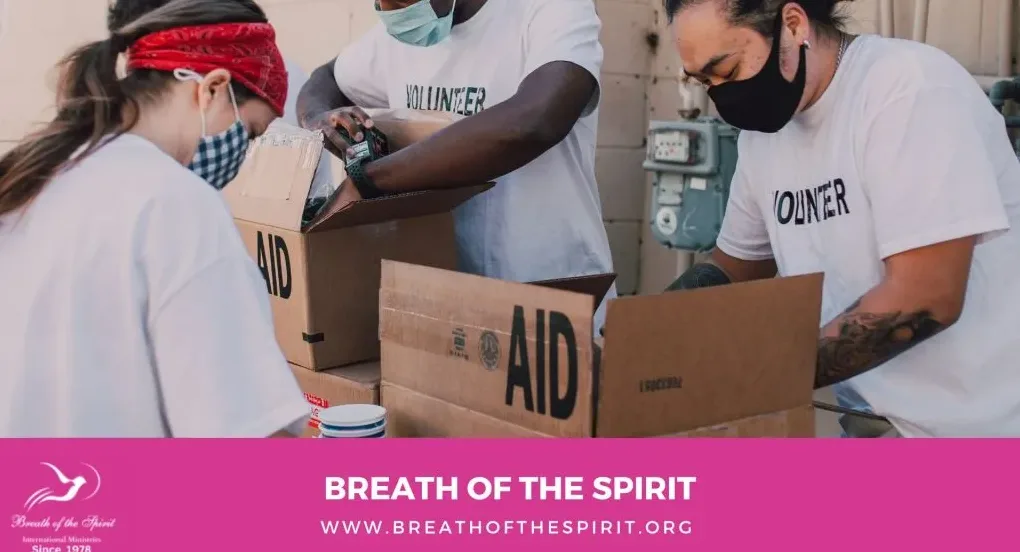
Consistency is vital for sustaining community programs. Drop off donation bins support steady, predictable donations because they make giving effortless. Individuals do not need to plan ahead or dedicate significant time; they can simply drop items into donation barrels during their daily routines.
This low-effort approach encourages repeated contributions, whether it is clothing, household items, or other essentials. Regular inflows from these bins allow churches and nonprofits to plan programs and allocate resources more effectively. Furthermore, making donation points visible within the community reinforces the habit of giving, motivating both new and long-term supporters to participate regularly.
Lowering the barriers to entry for charitable donations helps organizations maintain a more stable and dependable supply of goods, which directly benefits the people and families they serve. The same focus on consistency and purpose connects naturally with habits that matter, where small intentional actions lead to lasting impact.
Reducing Operational Costs While Maximizing Resources
Managing donations manually can be resource-intensive. Sorting, receiving, and storing contributions often requires staff time, transportation, and warehouse space. Drop off donation bins streamline these processes.
When strategically placed, these bins collect items efficiently, reducing the need for frequent staff intervention. Many organizations coordinate scheduled pickups to manage inventory in bulk, which minimizes operational costs while ensuring donations are handled safely and effectively.
Moreover, the items collected can be redirected to multiple programs, from local thrift shops to outreach initiatives, which maximizes their overall value. Nonprofits and churches often find that using clothing donation bins locations and donation barrels helps them serve more people while facing fewer logistical challenges. Improved resource management and lower overhead allow organizations to stay focused on their mission rather than daily operations. This is a principle that closely aligns with the deeper purpose explored in how God chooses and sets people apart.
Strengthening Community Visibility and Trust
Beyond practicality, drop off donation bins serve as a symbol of community engagement. When people see a church or nonprofit actively facilitating donations, it builds credibility and trust. Visible bins placed in accessible locations communicate a commitment to service and encourage community members to participate.
Strategically branding donation bins with organizational information and contact details allows donors to connect further, whether through volunteering, attending events, or sharing initiatives with friends and family. A well-maintained church donation box near me or recognizable clothing donation bins locations reinforces the organization’s presence, making it a trusted and familiar part of the local landscape.
This visibility not only increases donations but also enhances the overall perception of the organization. Community members recognize that their contributions are valued and that the organization is actively working to make a positive impact.
How to Donate Effectively Through Drop Off Donation Bins
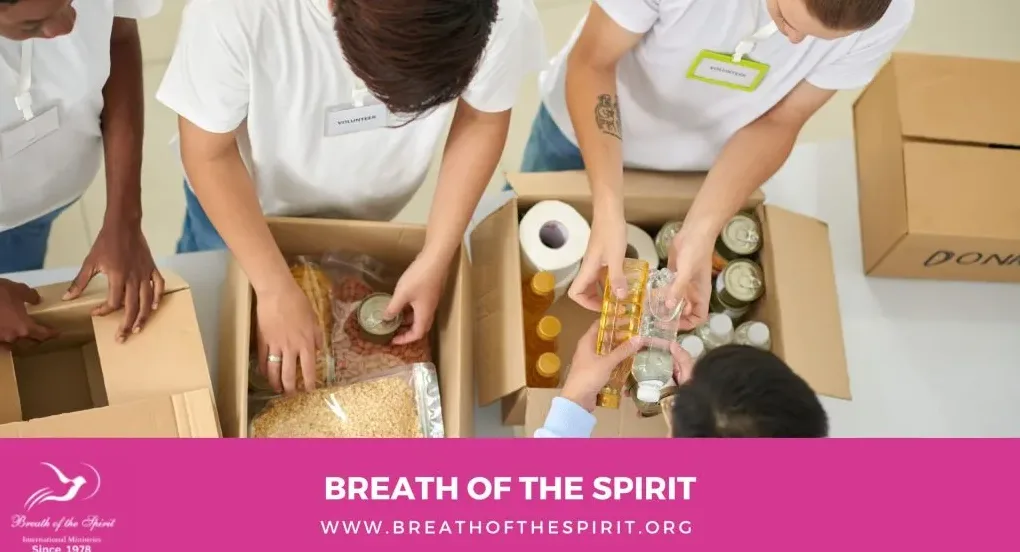
Donating through drop off donation bins is one of the most convenient ways to support churches and nonprofits while making a meaningful impact in your community. However, not all donations have the same effect, and understanding how to give thoughtfully ensures that your contributions are used efficiently. Whether you are searching for a church donation box near me or planning to visit multiple clothing donation bins locations, following best practices can help your items reach those who need them most. Proper preparation, careful selection of items, and awareness of organizational needs all contribute to a more effective giving experience.
Here are key steps to donate effectively:
- Sort and clean items before donating. Make sure clothing, shoes, and household items are in good condition, free of stains, tears, or damage.
- Check accepted items. Some bins and donation barrels only accept clothing, while others take shoes, toys, or household goods. Confirm guidelines before dropping off.
- Use secure and accessible bins. Look for safe locations, such as a church donation box near me, that are regularly maintained to prevent theft or damage.
- Label or package items appropriately. Bagging clothes and labeling boxes helps staff quickly sort and process donations.
- Donate seasonally appropriate items. Providing clothing or supplies suited to current needs ensures they are useful immediately.
- Spread donations across multiple locations. Utilizing several clothing donation bins locations can help reach more programs and communities efficiently.
Following these steps not only ensures your items are useful but also maximizes the impact of your giving. Thoughtful donations reduce sorting and processing time for nonprofits and allow churches to allocate more resources directly to service programs. Planning ahead and giving with care ensures your contributions through drop off donation bins provide meaningful support to families, individuals, and outreach initiatives that rely on community generosity.
FAQs About Drop Off Donation Bins
What does a donation box do?
A donation box collects items from community members, such as clothing, shoes, or household goods, and channels them to churches, nonprofits, or charitable programs that distribute them to people in need.What items should you not donate?
Avoid donating damaged, soiled, or broken items, as well as electronics, hazardous materials, or expired products. These items create extra work for staff and may not be usable for beneficiaries.What are the five types of donation?
Clothing donations – Clothes, shoes, and accessories for people in need. Monetary donations – Cash or online contributions to support programs. Food donations – Non-perishable items for food banks or pantries. Goods and household items – Furniture, bedding, and other essentials. Time or volunteer donations – Giving your skills or hours to support an organization’s operations.Final Thoughts on How Churches and Nonprofits Benefit From Drop Off Donation Bins
Drop off donation bins make it easier for communities to support churches and nonprofits while ensuring donated items reach those who truly need them. They increase access to giving, encourage regular contributions, reduce operational burdens, and help organizations focus on programs that make a real impact. Using these bins thoughtfully ensures your donations create lasting benefits for families and communities.
You can make a difference today in ways that go beyond material donations. Share your heart and requests with God through the Breath of the Spirit prayer requests, stay inspired and receive updates on community programs by joining the newsletter, or directly support families in need by making a donation to Breath of the Spirit outreach initiatives. Every prayer, subscription, and gift helps strengthen the community and multiply the impact of your generosity.
This teaching is free because people give.
Your gift sends medical missions, digs wells and feeds children through Chesed International.
Give to the ministryKeep reading
All teaching Faith
How Top Female Preachers Help Women Discover Ministry Calling
Discover how Top Female Preachers empower women to find their ministry calling. Learn steps to leadership, mentorship, and spiritual growth.
 Faith
Christian Foundations: What They Are and Why They Matter Today
Christian foundations are faith-based nonprofit organizations that manage donations, grants, and charitable initiatives according to Christian values — funding church disaster relief, poverty charities, and church charity programs through structured, accountable stewardship rather than one-time, symbolic giving.
 Faith
Christian Volunteer Jobs in Churches, Schools, and Missions
Christian volunteer jobs let believers put faith into action by serving in churches, schools, and missions — strengthening personal faith while supporting ministries, schools, and vulnerable communities that depend on dedicated volunteers.