Persecution of Christian: Why It Still Exists in the Modern World

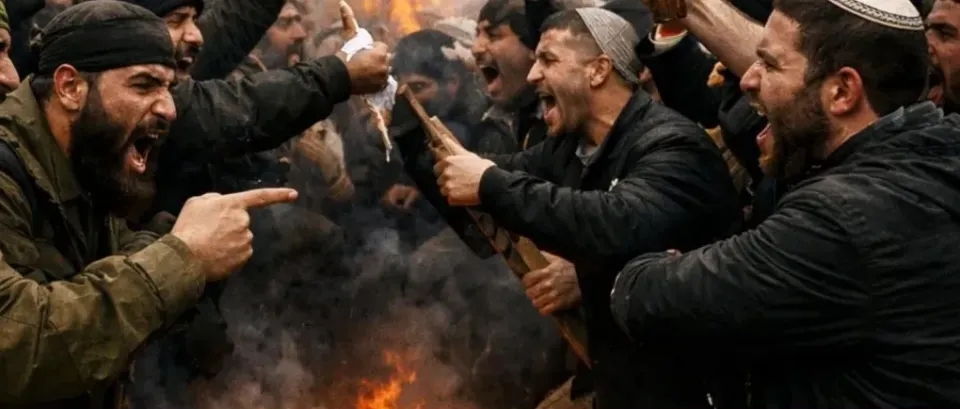
Why does the persecution of christian continue to intensify in a world that claims to value human rights and religious freedom?
Between October 2024 and September 2025, at least 4,849 Christians were killed for their faith, marking an eight percent increase from the previous year. Today, 388 million Christians face systematic hostility that extends beyond violence into laws, culture, and politics. The real problem is not isolated attacks but a global structure that leaves believers unprotected, much like how a missing basic tool can turn a simple roadside fix into hours of crisis.
In this blog post, you will learn why persecution persists, how state power and social forces drive it, and how prophetic teaching, prophetic ministry, and humanitarian organizations respond to this growing global challenge.
Global Scope and Current Patterns of Persecution
The scale of persecution affecting Christian communities in 2026 is truly global, affecting one in seven believers worldwide. Recent monitoring reports indicate that this crisis is most acute in Africa and Asia, where the intensity of violence has risen sharply over the last twelve months. In sub-Saharan Africa, for instance, one in five Christians experiences significant discrimination or physical threat.
The patterns of this hostility have evolved from sporadic mob violence into a structured "suffocation" of religious life. It is no longer just about the physical destruction of buildings; it is about the exclusion of Christians from the economy, the education system, and the digital public square. In many regions, the pressure is so pervasive that it touches every sphere of existence, from private family worship to the ability to hold a job or access healthcare.
State Power and Authoritarian Control
The most organized driver of modern persecution is the rise of digital authoritarianism. In nations like North Korea and China, the state utilizes sophisticated technology to monitor and suppress religious activities. North Korea continues to rank as the most dangerous place for Christians, as the regime views any allegiance to a higher power as a direct act of treason against the state.
In China, new regulations implemented in late 2025 have further tightened the grip on religious expression. These rules govern online behavior, effectively banning unauthorized live-streaming of sermons and the use of Bible apps. For many believers, the prophetic ministry of their local church has had to move entirely underground or into encrypted digital spaces. This state-driven model of control has influenced other authoritarian regimes seeking tighter oversight of religious life. This creates a blueprint for religious suppression that prioritizes national "harmony" over individual freedom of conscience.
Religious Nationalism and Identity Conflict
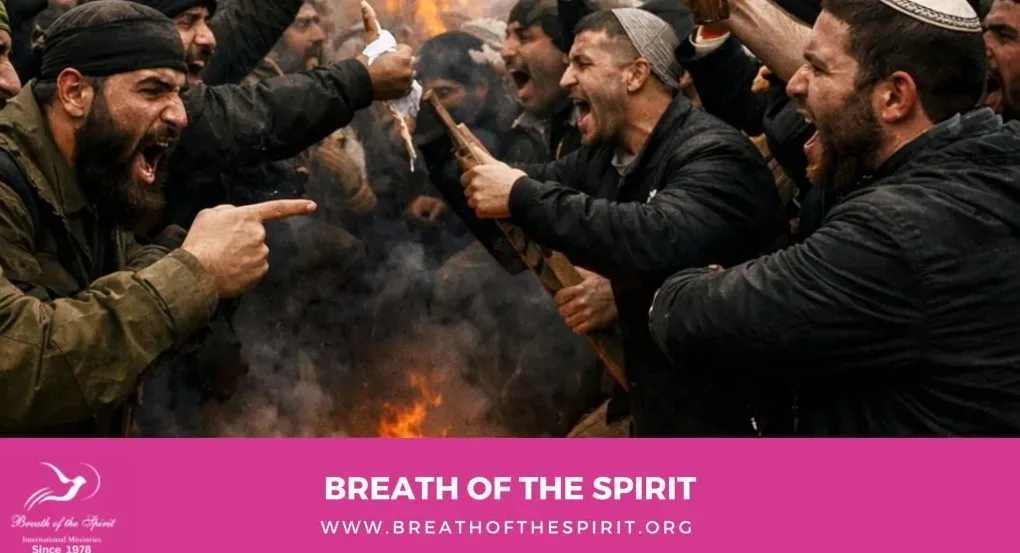
Beyond the reach of authoritarian dictators, a growing wave of religious nationalism is reshaping the experience of faith in democracies and hybrid regimes. In countries such as India and Nepal, national identity is increasingly being fused with a specific religious heritage. Within this framework, Christianity is often framed as a "foreign" or "colonial" intrusion that threatens the purity of the nation.
This cultural hostility often manifests as social exclusion or local ordinances that target converts. When a person’s faith is seen as a rejection of their national heritage, they become vulnerable to community-led pressure. These tensions create a fertile ground for "anti-conversion" rhetoric, where even the peaceful sharing of a prophetic teaching can be interpreted as a criminal act of proselytization. As a result, Christians in these regions often experience reduced legal protection and persistent social suspicion, perpetually under the suspicion of their neighbors.
Militancy, Extremism, and Non-State Actors
While state power restricts religious expression through laws and surveillance, militant groups often rely on open violence to achieve their goals. In conflict hot zones such as the Sahel region and northern Nigeria, non-state actors and extremist networks continue to target Christian communities with coordinated attacks. Nigeria records some of the highest levels of faith based killings worldwide and accounts for more than 70% of Christians murdered for their faith in the past year. These groups use fear as a strategy, attacking villages, churches, and schools to weaken community stability and assert ideological control.
In regions where government presence remains weak or inconsistent, humanitarian organizations often serve as the only source of relief for survivors. They provide emergency food aid, medical assistance, shelter, and trauma counseling to families displaced by raids, kidnappings, and arson attacks. Without these interventions, entire communities would face starvation, untreated injuries, and long term psychological harm. Their work fills a critical gap left by fragile institutions and ongoing insecurity.
Much of this violence stems from efforts to impose exclusive religious territories and erase competing identities. Christian farmers and villagers become direct targets because their presence challenges extremist narratives of dominance. To better understand how distorted belief systems fuel this kind of violence, it helps to examine how the spirit of perversion destroys identity and truth, which explains how ideology can be weaponized to justify persecution and dehumanization.
Legal Restrictions and Blasphemy Laws
Perhaps the most insidious form of modern persecution is the use of the legal system to criminalize faith. Blasphemy laws in countries like Pakistan continue to serve as a tool for settling personal scores and inciting mob justice. Even a casual conversation about one's beliefs can lead to a death sentence or a life of imprisonment.
In Latin American countries such as Nicaragua, the state has recently turned its legal machinery against the church, seizing properties and arresting clergy who speak out against human rights abuses. These legal frameworks give state actions the appearance of legality while restricting basic religious freedom. By weaponizing the courts, regimes can suppress the prophetic ministry of the church without resorting to the messy optics of public violence, effectively silencing dissent through the fear of indefinite detention.
Understanding how faith leaders remain empowered in these difficult contexts can provide insight into spiritual resilience and purpose, as explained in this article on what it means to be anointed by God.
Frequently Asked Questions
Why does persecution happen today?
Modern persecution persists because religious identity often clashes with authoritarian state control and rising nationalist ideologies. It thrives where governments prioritize absolute power or a single national identity over individual human rights.What are the reasons why Christians are persecuted?
Believers are often targeted because their faith is viewed as a "foreign" threat to cultural purity or a challenge to a dictator's total authority. Additionally, extremist ideologies weaponize religion to seize territory and silence competing moral voices.How do Christians suffer persecution today?
Suffering ranges from "suffocation" through digital surveillance and discriminatory laws to "shattering" through physical violence and displacement. Many face the loss of jobs, education, and legal protection simply for their refusal to renounce their beliefs.Final Thoughts on Persecution of Christian
The persecution of christian remains a global reality shaped by state control, religious nationalism, extremist violence, and legal restrictions. Millions of believers face daily threats, yet communities continue to demonstrate resilience through faith, prophetic ministry, and support from humanitarian organizations. Understanding these dynamics helps us see that persecution is not random but part of systemic pressures that demand awareness and action.
As readers, you can play a vital role in supporting those affected. Consider sending in your prayer requests to lift up persecuted communities, signing up for our newsletter to stay informed, or making a donation to help provide food, medical aid, and spiritual support to those in urgent need. By taking these steps, you actively contribute to sustaining hope, defending religious freedom, and empowering Christian communities around the world.
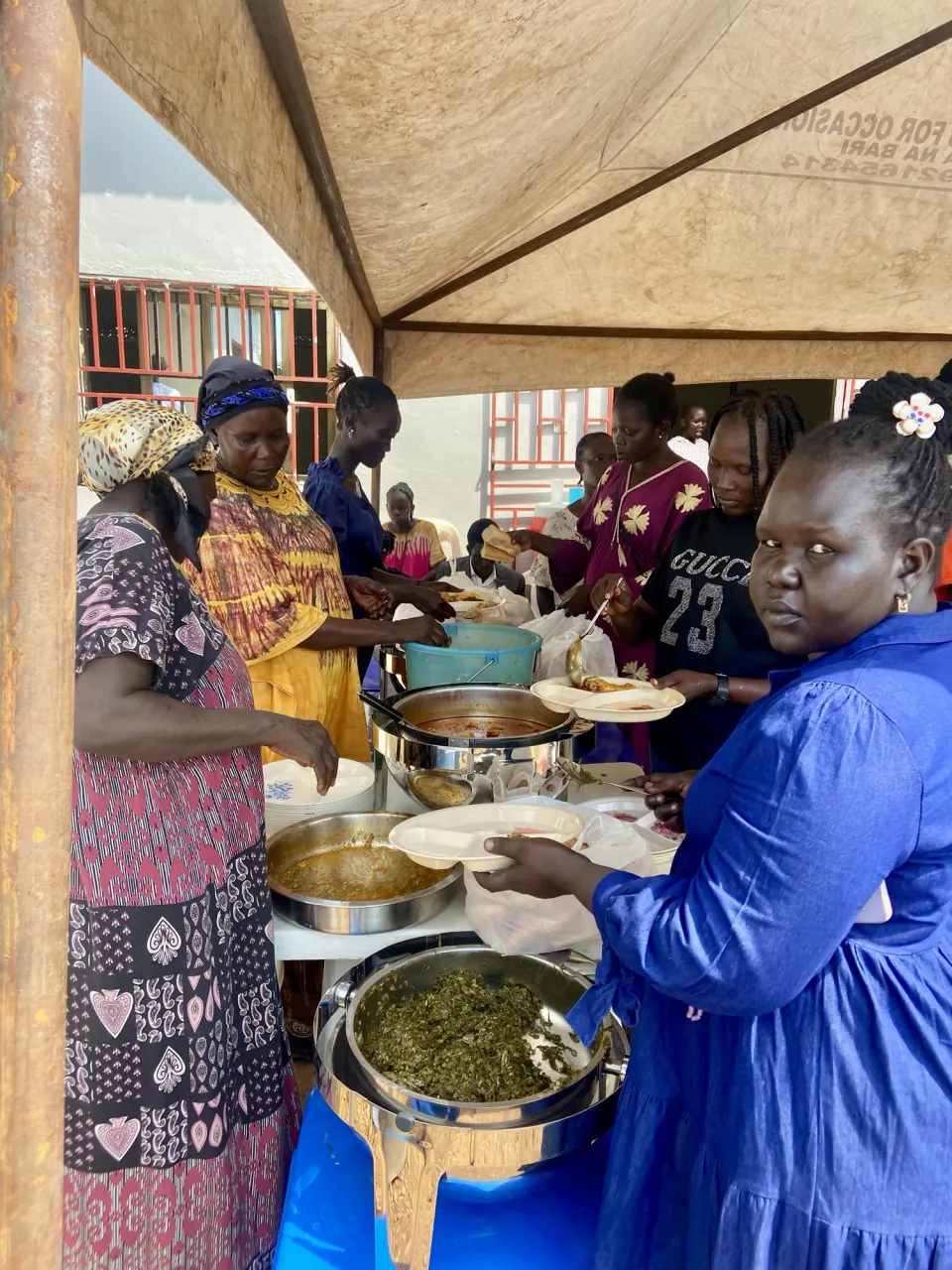
This teaching is free because people give.
Your gift sends medical missions, digs wells and feeds children through Chesed International.
Give to the ministryKeep reading
All teaching God
Does Prayer Change Things? Biblical Verses About Prayer
According to Scripture, prayer does change things, not by altering God's unchanging plans, but by aligning our hearts with His will, and it produces real effects: James 5:16 says "the fervent prayer of a righteous person is powerful and effective."
 Faith
What Does the Bible Say About Faith?
The Bible defines faith in Hebrews 11:1 as "the assurance of things hoped for, the conviction of things not seen" — a confident trust in God, His character, and His promises that goes beyond what we can see or physically prove.
 Faith
The Prophetic Word: Hearing God's Voice in Today's World
Discover The Prophetic Word: Hearing God's Voice in Today's World. Discern God's Voice, Receive Guidance, & Experience Transformation.