
Meaningful Ways You Can Support Christian Hurricane Relief


Have you ever wondered how christian hurricane relief can truly change lives when entire communities face destruction overnight? Christian hurricane relief becomes critical as stronger storms displace families and overwhelm local resources, leaving thousands without shelter or stability. Christian hurricane relief answers a growing crisis as recent hurricane seasons have forced tens of thousands of Americans from their homes and pushed recovery systems to the breaking point.
Across the United States, powerful storms continue to flood neighborhoods and erase livelihoods. In just one hurricane season, more than 40,000 people lost their homes, and similar losses continue with recent Category 4 and 5 landfalls. Nearly three out of four organizations involved in rebuilding after disasters began as faith based efforts, showing how central christian disaster relief remains when long term recovery starts. The challenge is that many believers want to help but do not know where to begin or how to make a lasting impact beyond disaster relief donations.
In this blog post, you will learn practical and faith driven ways to support christian hurricane relief, understand how to help flood victims effectively, and take meaningful action that brings hope, restoration, and the love of Christ to those in need.
Pray Consistently for Survivors, Responders, and Communities
The most foundational way to support christian hurricane relief begins in the secret place of prayer. While physical resources are necessary, the spiritual toll of a hurricane is often overlooked. Families lose heirlooms, homes, and sometimes loved ones, leading to a spirit of heaviness that only divine intervention can lift. Prayer is not a passive response but a proactive spiritual strategy that clears the way for effective aid and healing.
When you pray, focus on the following specific areas:
- For Survivors: Ask for the "peace that passes all understanding" to guard their hearts and minds as they navigate the trauma of loss and displacement.
- For First Responders: Pray for the strength, wisdom, and safety of those navigating dangerous waters and debris to rescue those stranded by the storm.
- For Local Pastors: Intercede for the leaders in affected zones who must shepherd their congregations while often dealing with their own personal property damage.
Beyond the immediate crisis, continue to pray for the long-term emotional recovery of these communities. The "breath of the spirit" is needed most when the initial adrenaline of the rescue phase wears off and the reality of the long rebuilding process sets in.
Give Financially to Trusted Christian Hurricane Relief Ministries
Financial contributions remain one of the most efficient ways to provide immediate help. While many people feel the urge to send used clothing or blankets, these items often create a secondary "logistics disaster" for organizations that lack the warehouse space to sort them. Direct disaster relief donations allow ministries to purchase exactly what is needed on the ground, such as clean water, industrial-grade generators, and professional mold remediation tools.
Contributing to christian disaster relief funds ensures that your resources are used with a kingdom-focused perspective. Faith-based organizations like Breath of the Spirit prioritize not just the physical structure of a home, but the spiritual well-being of the inhabitants. This model of giving ensures that funds are distributed with lower overhead costs compared to massive secular bureaucracies, allowing more of your dollar to reach the front lines. Furthermore, financial support allows these ministries to hire local contractors and buy supplies from local vendors, which helps jumpstart the fractured economy of the disaster-stricken area.
Serve Through Your Local Church or Faith Based Organization
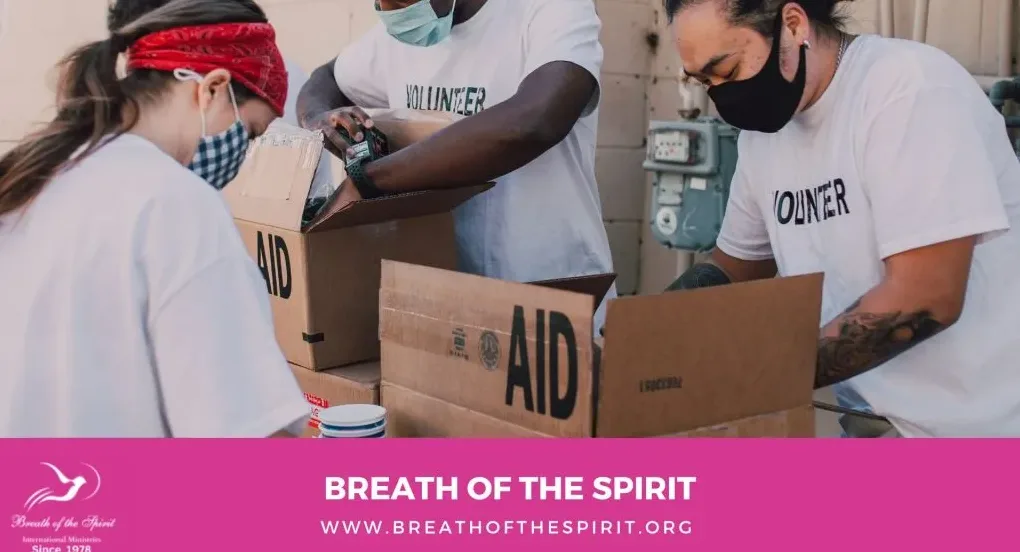
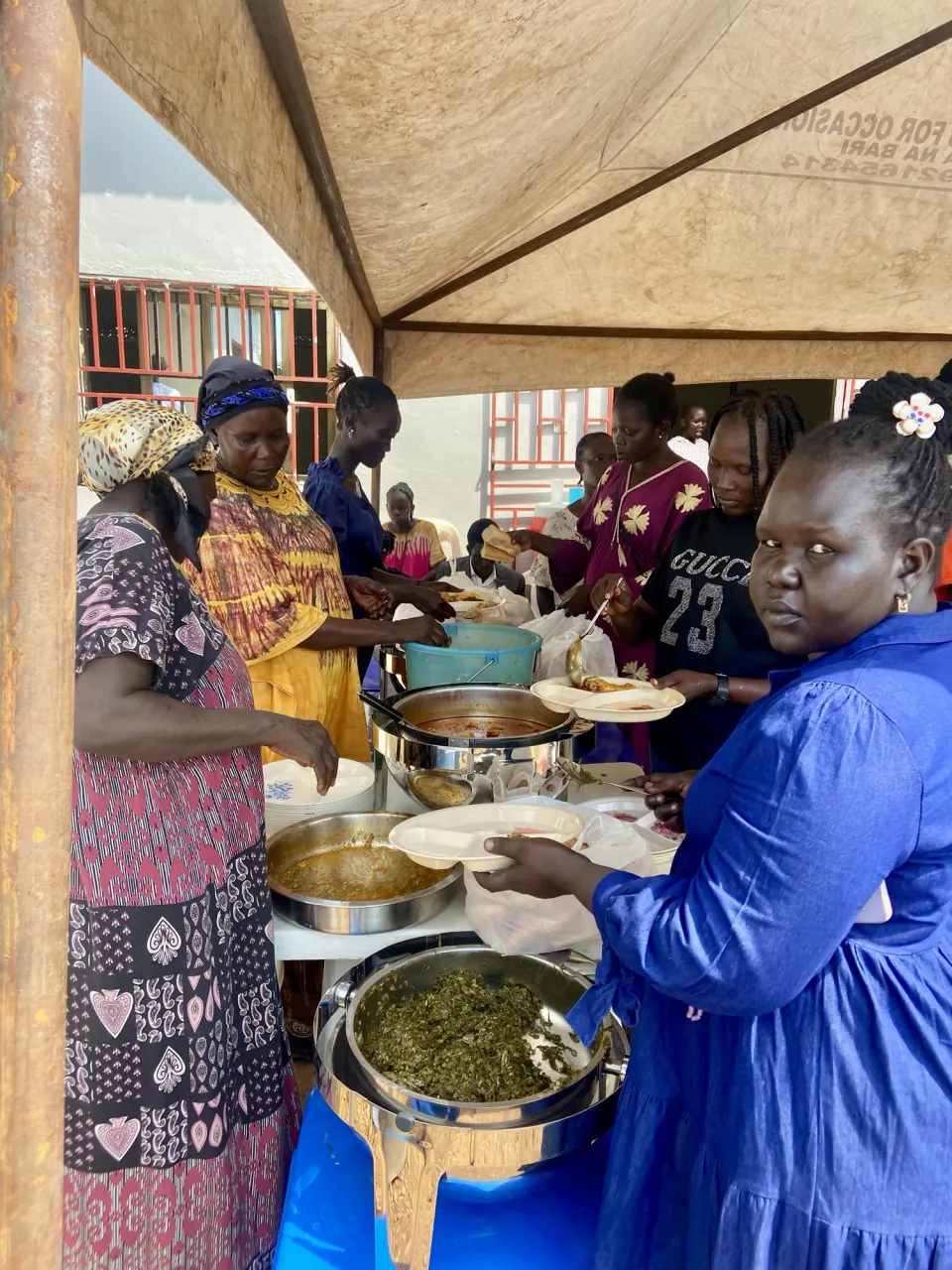
If you have the physical capability and the time, serving on a "muck-out" crew or a mobile kitchen team provides a direct answer to the question of how to help flood victims. Christian hurricane relief often relies on the labor of volunteers who are willing to get their hands dirty. This might involve removing water-logged drywall, clearing fallen trees, or serving thousands of hot meals to families who have lost their ability to cook.
Working through your local church or an established faith-based organization provides a structured environment for service. These groups often have "Memorandums of Understanding" with local governments, giving them access to restricted areas where help is needed most. When you serve in this capacity, you are not just a laborer; you are a witness. A volunteer wearing a ministry shirt while cleaning a flooded basement provides a powerful testimony of God’s care. Whether you are a skilled carpenter or simply someone willing to move debris, your presence on the ground proves that the Church does not abandon people when the storm hits.
If you feel called to put your faith into action but aren't sure how to begin your journey of service, you can find practical steps and advice in this first-time guide to mission trips in America.
Share Awareness and Encourage Others to Support Christian Hurricane Relief
After a devastating hurricane, intense media coverage often brings a surge of immediate support. As news cycles move on, cameras leave and headlines fade. For families standing among the ruins of their homes, recovery does not end. It enters a long and difficult second chapter.
This is where the body of Christ can make the most significant impact. By keeping the conversation alive, we ensure that survivors are not forgotten and that relief efforts remain sustained. Here is how you can use your platform and your voice to advocate for Christian hurricane relief:
1. Social Media Advocacy
Social media is a powerful tool for truth. Use your profiles to share verified updates directly from ministries working on the ground. By sharing specific stories of resilience and current needs, you combat "compassion fatigue" and direct your followers toward legitimate donation portals where their resources will do the most good.
2. Community Organizing
Advocacy is most effective when it moves from the digital space into our physical communities. Consider hosting a brief informational meeting at your workplace, your local gym, or within your small group. Discuss the ongoing challenges hurricane victims face and organize a corporate offering or a supply drive. When we gather together, our collective contribution often far outweighs what we could do alone.
3. Educational Outreach
Many people assume the need ends once floodwaters recede, but long term disaster recovery requires ongoing commitment. You can serve others by educating your community about the reality of rebuilding homes, restoring churches, and providing emotional and spiritual care. These efforts often take months or even years to complete. When people understand this long term reality, they give more consistently and help sustain lasting relief efforts.
The call to support disaster relief is ultimately a call to look beyond ourselves and see the world through the eyes of compassion. When we choose to stay engaged while others turn away, we are doing more than just providing aid; we are reflecting the character of Jesus to a world in need. This commitment to selflessness and long-term care isn't just a reaction to a crisis—it is a reflection of a deeper spiritual transformation.
To truly sustain this level of advocacy and love, we must consistently align our own perspectives with the heart of God. Understanding this internal shift is the first step toward living a life of impactful service. Discover more about developing this perspective here: The Mindset of Christ: What It Means and How to Live It Daily.
Frequently Asked Questions
What are the 5 steps to emergency preparedness for any disaster?
Build a clear plan, create a communication strategy, and prepare an evacuation route. Stock essential supplies, stay informed, and practice the plan regularly.What's the best way to help hurricane victims?
Give through trusted christian hurricane relief or christian disaster relief organizations that can deploy aid quickly. You can also pray, volunteer locally, and share verified opportunities for disaster relief donations.What are the five ways to manage disasters?
Communities focus on mitigation, preparedness, response, recovery, and long term rebuilding. Each phase works together to reduce risk and restore stability after a crisis.Final Thoughts on Meaningful Ways You Can Support Christian Hurricane Relief
Christian hurricane relief calls every believer to respond with compassion, courage, and consistent faith. You have seen how prayer strengthens survivors, how giving fuels response, how service brings presence, and how advocacy keeps recovery moving forward. Real people still face loss, displacement, and uncertainty, and they need the Church to stay engaged long after headlines fade.
Now you can take the next step. Lift families in prayer and let them know they are not alone through our prayer requests page. Stay informed about ongoing missions and opportunities to serve when you sign up for the Breath of the Spirit newsletter. If you want to make an immediate impact, you can make a disaster relief donation that helps provide aid on the ground.
Your action today can deliver hope tomorrow. Partner with Breath of the Spirit and help restore homes, rebuild faith, and bring the love of Christ to communities that need it most.
This teaching is free because people give.
Your gift sends medical missions, digs wells and feeds children through Chesed International.
Give to the ministryKeep reading
All teaching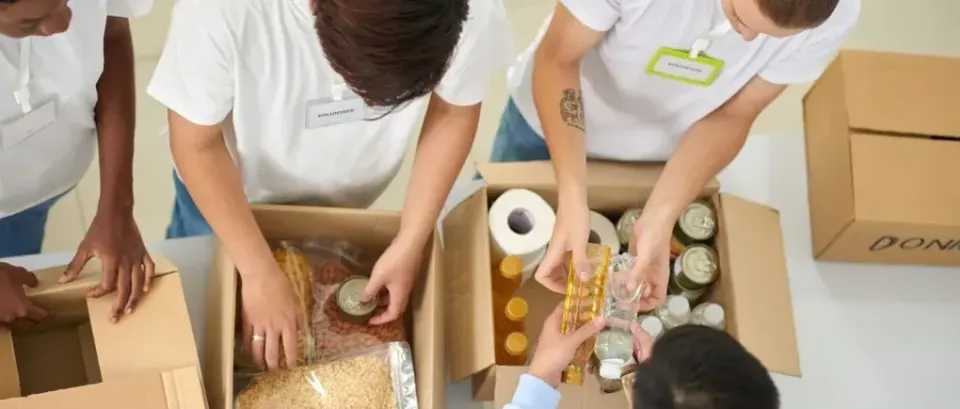 Life
How to Partner with Christian Humanitarian Aid Organizations
Christians partner with Christian humanitarian aid organizations through intercessory prayer, strategic recurring giving, skill-based volunteering, and project-focused church partnerships — after first vetting an organization's statement of faith, transparency, and focus for alignment with your own calling.
 God
Powerful Blessings of the Resurrection That Transform Lives Today
Discover powerful blessings of the resurrection: salvation, eternal life, living hope. Find trust & transformation today!
 Faith
Praise the Lord Meaning and Its Importance in Daily Life
Praise the Lord means to honor, glorify, and exalt God, rooted in the Hebrew Hallelujah (hallel, "to praise," plus Yah, God's name). It is a posture of surrender and trust that invites God's presence into everyday life.