
Willow the Tree and the Wisdom of Waiting on the Lord


In Scripture the willow tree stands for both mourning and renewal: the exiles hung their harps on the willows of Babylon in Psalm 137, yet Isaiah 44:4 promises a people who will spring up “as willows by the watercourses.” It is the tree of those who wait.
Willow the Tree: A Symbol of Patience
Willow the tree is a testament to the power of patience and endurance. Thriving near water, its roots grow deep, drawing life from hidden sources beneath the surface. Despite storms and strong winds, the willow does not resist; instead, it bends with grace, allowing nature to take its course. This quiet strength mirrors the patience required when waiting on the Lord, trusting that His timing is always perfect. Like willow the tree:- We must remain deeply rooted in faith, drawing strength from God’s Word, just as the willow draws nourishment from the water.
- We should be flexible, surrendering to God’s timing rather than striving to force our own plans.
- The storms of life may shake us, but if we anchor ourselves in His promises, we will not be uprooted.
Biblical Wisdom on Waiting for the Lord
The Bible is rich with wisdom on waiting on the Lord, showing us that His timing is always perfect. Many great biblical figures endured long seasons of waiting before seeing God’s promises fulfilled. Abraham waited decades for Isaac, the son of promise. David was anointed king but had to endure years of trials before taking the throne. Even Jesus waited for the appointed time to begin His ministry. Their stories teach us that trusting God’s timing leads to blessings beyond our understanding. Here are some powerful scriptures about the wisdom of waiting:- Psalm 27:14 – "Wait for the Lord; be strong, and let your heart take courage; wait for the Lord!"
- Isaiah 40:31 – "But they who wait for the Lord shall renew their strength; they shall mount up with wings like eagles; they shall run and not be weary; they shall walk and not faint."
- Lamentations 3:25 – "The Lord is good to those who wait for him, to the soul who seeks him."
The Challenges of Waiting on God’s Timing
 Waiting on the Lord is rarely easy. In a world that values speed and instant results, it can be difficult to embrace the wisdom of waiting. When prayers seem unanswered, and doors remain closed, we may struggle with feelings of doubt, impatience, and fear. Yet, just as willow the tree stands firm through changing seasons, we too must learn to endure, trusting that God’s timing is always perfect.
Common Struggles While Waiting on God:
- Impatience: We want immediate results, but God’s timing operates beyond human understanding. His delays are often His way of preparing us.
- Doubt: When delays occur, we may question whether God has heard our prayers or if His promises will come to pass.
- Fear of the Unknown: Uncertainty can cause anxiety, but true faith requires surrendering control to God.
- Comparisons: Seeing others receive blessings while we wait can lead to discouragement, but God’s plan for us is unique.
How to Wait with Faith and Trust
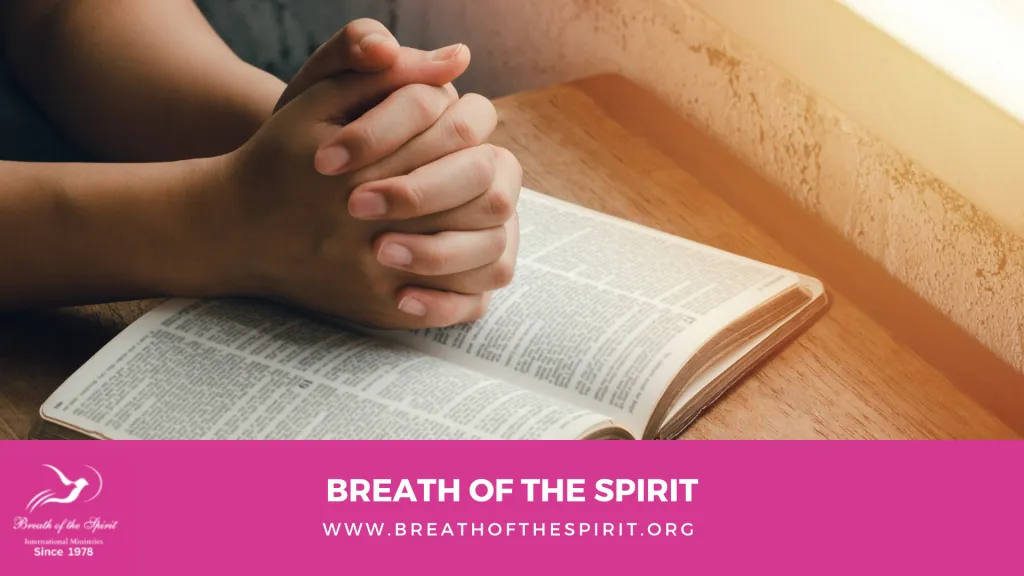 Waiting on the Lord is not a passive experience—it is an active demonstration of faith and waiting combined. Just as willow the tree stretches its roots deep to find nourishment, we must deepen our relationship with God during seasons of waiting. Here are some biblical steps to cultivate patience with God while trusting in His perfect timing.
1. Stay Rooted in God’s Word
Like willow the tree, which draws strength from underground water sources, we must remain firmly planted in Scripture. The Bible is our source of life, wisdom, and encouragement. Regularly reading and meditating on God’s Word reminds us that His promises never fail. Trusting God’s timing becomes easier when we hold onto His truth, just as a tree remains steadfast despite changing seasons.2. Pray with Persistence
Waiting is not a time for silence—it is a time for persistent prayer. Philippians 4:6 says, "Do not be anxious about anything, but in every situation, by prayer and petition, with thanksgiving, present your requests to God." When we continually bring our worries to God, we shift our focus from our struggles to His sovereignty. Prayer keeps us connected to Him, strengthening our faith and patience with God.3. Worship While You Wait
Waiting can feel frustrating, but choosing to praise God in the midst of uncertainty demonstrates true trust. Worship is a powerful way to align our hearts with His will, filling us with peace and assurance. Here are some ways to worship while waiting:- Sing hymns and worship songs – Let music uplift your spirit and remind you of God's faithfulness.
- Express gratitude daily – Thank God for His blessings, even the ones not yet seen.
- Meditate on His goodness – Reflect on past answered prayers and how God has been faithful before.
- Declare His promises – Speak His Word over your situation, affirming trust in God’s timing.
- Serve others with joy – Use your waiting season to encourage and bless those around you.
4. Surrender Control to God
One of the greatest challenges in waiting on the Lord is resisting the urge to take matters into our own hands. Proverbs 3:5-6 teaches us, "Trust in the Lord with all your heart and lean not on your own understanding; in all your ways submit to Him, and He will make your paths straight." Releasing our timeline to God allows Him to lead us in ways far greater than we can imagine. Here’s how to surrender control to God while waiting:- Release your timeline to Him – God knows the beginning and the end. His plan is always greater than our limited perspective.
- Resist the urge to force outcomes – Waiting does not mean inactivity, but it does mean trusting that God will open the right doors at the right time.
- Replace worry with prayer – Instead of overthinking, bring your concerns to God in prayer (Philippians 4:6).
- Acknowledge God's sovereignty – He is in control, even when circumstances seem uncertain. Declare His wisdom over your situation.
- Let go of comparison – Others may receive their blessings before you, but God’s timing for your life is unique and perfect.
5. Keep Moving in Obedience
While waiting, God often calls us to continue walking in obedience. Instead of becoming stagnant, we should remain faithful in the work He has already given us. Whether it’s serving in ministry, encouraging others, or simply staying diligent in our responsibilities, active faith prepares us for the blessings ahead. When we trust in God’s timing, we come to understand that every delay serves a divine purpose. Seasons of waiting are not wasted—they are seasons of preparation. Like willow the tree, we may bend under the weight of uncertainty, but we will not break. God is deepening our faith, strengthening our foundation, and positioning us for His perfect plan. If you’ve struggled with doubt or feel like you’ve lost sight of your purpose, read Have You Lost Sight of Your God-Given Destiny? for encouragement and renewed vision.FAQs About the Willow Tree and Biblical Symbolism
What does the willow tree mean in the Bible?
While the Bible does not specifically highlight the willow tree as a central symbol, it is mentioned in several passages, often in connection with water, growth, and God’s provision. In Psalm 137:1-2, the Israelites hung their harps on willow trees as they mourned in exile, symbolizing sorrow and longing for restoration. The willow tree’s deep roots and resilience also serve as a metaphor for those who trust in God, drawing strength from His Word and presence.What does the Bible say about willow?
The Bible references the willow tree in passages such as Leviticus 23:40, where God commands His people to rejoice before Him with branches of leafy trees, including willows. This suggests a connection between the willow and worship, humility, and dependence on God. Ezekiel 17:5 also uses the willow in a parable about planting and growth, reinforcing its representation of spiritual nourishment and endurance.What does the willow tree symbolize?
The willow tree is often associated with patience, endurance, and trust in God’s timing. Because willows grow near water, they symbolize spiritual sustenance, reminding believers to stay rooted in God’s Word. Their ability to bend without breaking represents faith through trials—a reminder that even in difficult seasons, God is strengthening us. Just as the willow tree withstands storms, those who trust in the Lord will remain steadfast, knowing He is working in every circumstance.Trusting God’s Timing: Finding Strength in the Waiting
Waiting on the Lord is never wasted time—it is a season of growth, preparation, and deeper faith. Like willow the tree, we may bend under the weight of uncertainty, but we will not break. Through Scripture, persistent prayer, worship, and surrendering control, we learn to trust God's timing and embrace the wisdom of waiting. If you are in a season of waiting, take heart—God is working behind the scenes in ways you cannot yet see. Continue seeking Him, standing firm in His promises, and allowing Him to strengthen you. Support the work of Breath of the Spirit International Ministries as we continue spreading God’s Word and bringing hope to those in need. Your donation helps us share the Gospel, provide humanitarian aid, and minister to those seeking God’s presence. Give today and be a part of this mission.Common questions
What does the willow tree mean in the Bible?
The Bible doesn't make the willow tree a central symbol, but it appears in passages tied to water, growth, and God's provision. In Psalm 137:1-2, exiled Israelites hung their harps on willow trees while mourning, linking the tree to sorrow and longing for restoration.
What does the willow tree symbolize?
The willow symbolizes patience, endurance, and trust in God's timing. Because it grows near water and bends without breaking in storms, it pictures believers who stay rooted in Scripture and remain unshaken through trials while waiting on the Lord.
What does the Bible say about waiting on the Lord?
Scripture repeatedly commands believers to wait on the Lord with strength and courage (Psalm 27:14) and promises that those who do "shall renew their strength" and "mount up with wings like eagles" (Isaiah 40:31).
How can I trust God's timing while waiting?
Trusting God's timing means staying rooted in His Word, praying with persistence, worshiping in the midst of uncertainty, and surrendering your own timeline (Proverbs 3:5-6) instead of forcing outcomes or comparing your season to someone else's.
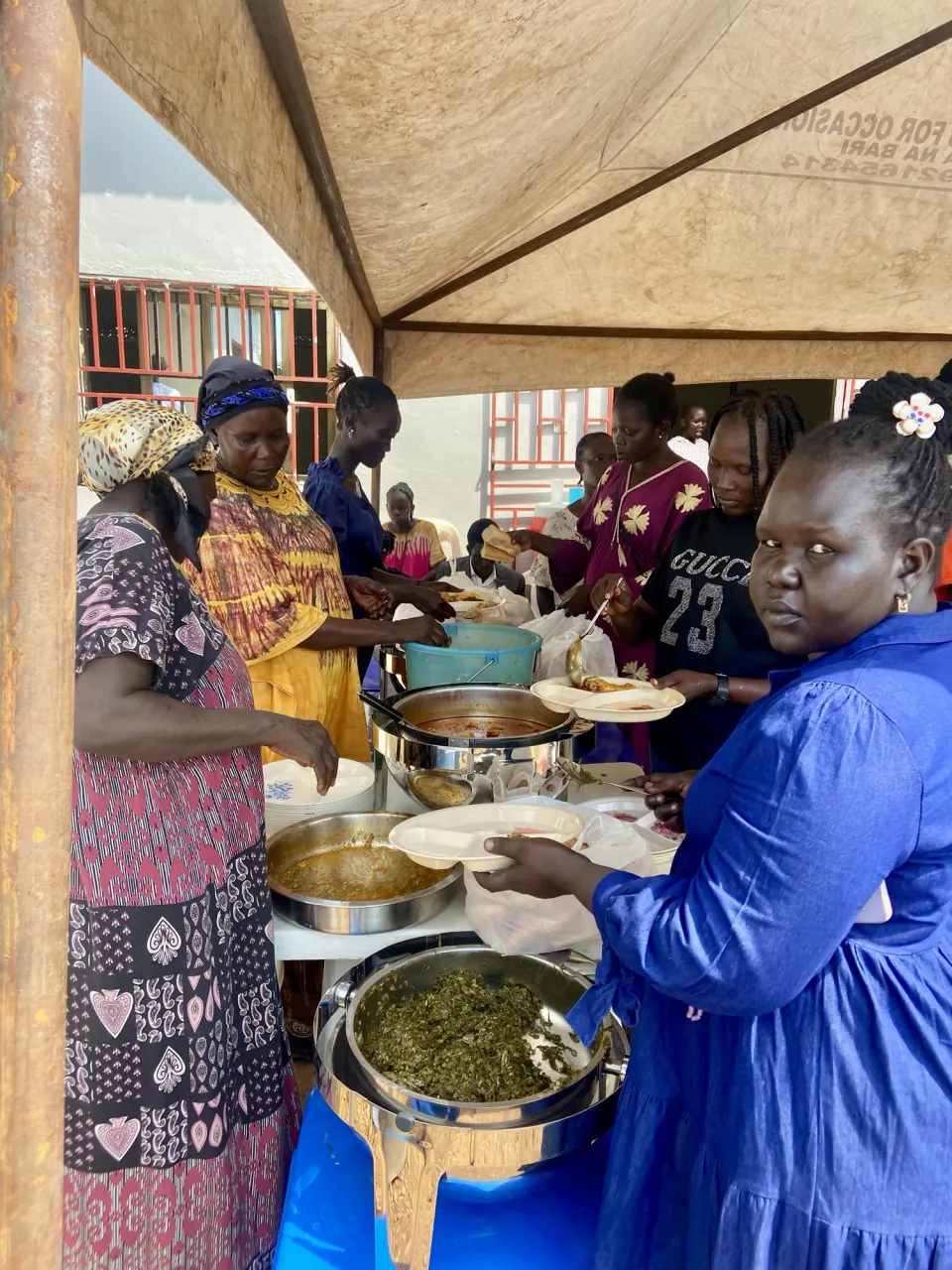
This teaching is free because people give.
Your gift sends medical missions, digs wells and feeds children through Chesed International.
Give to the ministryKeep reading
All teaching Faith
Mourning Into Miracles
 God
What Does the Bible Say About Wildfires?
The Bible does not call wildfires a curse; it presents fire as part of God's created order that can also signal His presence, judgment, or refining work. Wildfires can be read as natural consequences and as a call to humility, stewardship, and trust in God.
 Faith
Light Overcomes Darkness: What the Bible Teaches About Victory
What Scripture reveals about light overcoming darkness—from Genesis creation to Hanukkah. How God's supernatural light guarantees deliverance.